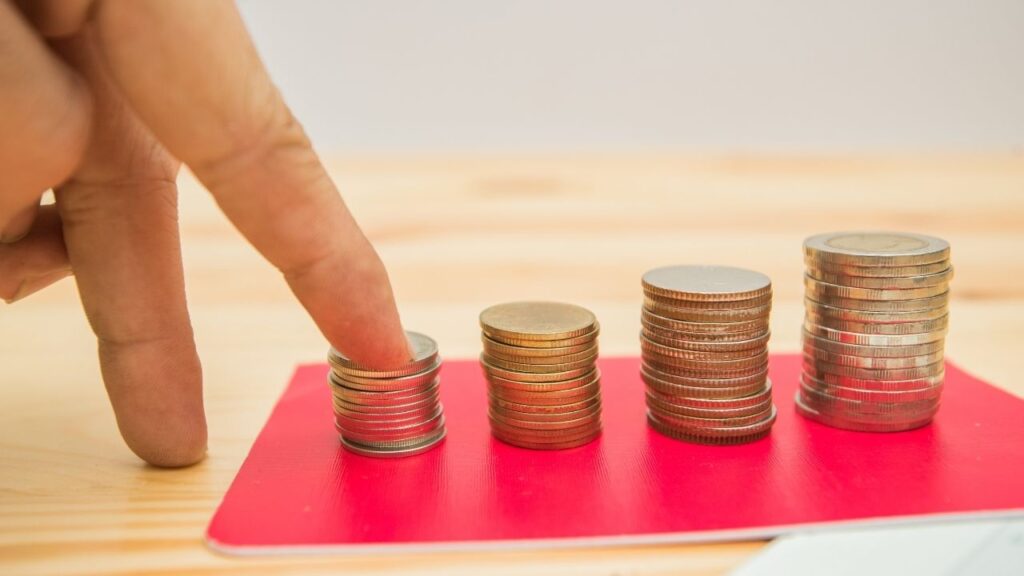
In this guide, we’re sharing how to save 5000 in a year!
Hey there, savvy saver! Ever thought about the magic of having an extra $5,000 in your bank account by the end of the year? Sounds dreamy, right? But here’s the kicker: it’s totally doable. 🌟
Imagine the peace of mind, knowing you’ve got a safety net or maybe even a ticket to that dream vacation. The challenge? Consistency and a sprinkle of determination. But don’t sweat it! I’ve got your back. Let’s dive into the world of savings and uncover the secrets to stashing away a cool $5,000 in just 365 days.
Ready to embark on this exciting journey? 🚀
Understanding Your Financial Landscape

Alright, first things first. Do you know where your money’s going? I mean, really know? It’s like setting off on a road trip without a map. 🗺️
Budgeting isn’t just about numbers and spreadsheets. It’s about understanding your financial story. Think of it as your money’s GPS. It tells you where you’re spending too much, where you can save, and how to reach that $5,000 goal without feeling like you’re climbing Mount Everest. So, let’s get that GPS set up, shall we?
How to Save 5000 in a Year

Alright, let’s get down to the nitty-gritty. Saving $5,000 in a year might sound like a tall order, but with the right strategies in place, it’s a piece of cake. 🍰
Here are some tried-and-true steps to get you there:
Crafting a Solid Budget
Why Budget?
- Pros: A budget gives you control over your money, helps you avoid overspending, and ensures you’re saving consistently.
- Cons: It might feel restrictive at first, and it requires regular updating.
Expert Tips for Effective Budgeting:
- Track Every Penny: Keep receipts or use apps to monitor all your expenses.
- Categorize Spending: Group your expenses like groceries, utilities, entertainment, etc.
- Set Clear Limits: Allocate specific amounts to each category and stick to them!
Top Budgeting Tools & Apps:
- Mint: Great for tracking expenses and setting up budget categories.
- You Need a Budget (YNAB): Perfect for those who want to give every dollar a job.
- PocketGuard: Helps you keep an eye on ‘spendable’ money after bills and savings.
Smart Grocery Shopping
Why It Matters:
- Pros: You can save a significant chunk of change without compromising on quality.
- Cons: It might require more planning and time.
Tips for Smart Shopping:
- Use Coupons: Always check for coupons before heading out. Websites like RetailMeNot can be goldmines!
- Buy Store Brands: Often, they’re just as good as name brands but cheaper.
- Avoid Impulse Buys: Stick to your list!
Seasonal Shopping & Bulk Buying:
- Pros: Fresh produce at lower prices and long-term savings on non-perishables.
- Cons: Need ample storage for bulk items and seasonal items might not always be available.
- Expert Tip: Use apps like Flipp to check for seasonal deals and discounts.
Leveraging Money Saving Apps

Why Use Money Saving Apps?
- Pros: Automated savings, cashback opportunities, and easy tracking.
- Cons: Some apps might have fees, and it’s essential to ensure they’re secure.
Spotlight on Rakuten:
- What is it?: A cashback and shopping rewards company.
- Pros: Earn cashback on everyday purchases from a variety of stores.
- Cons: You need to shop through their portal, and cashback rates can vary.
Other Noteworthy Apps:
- Honey: Automatically finds and applies coupon codes when shopping online.
- Acorns: Rounds up your purchases and invests the spare change.
- Ibotta: Offers cashback on groceries, online shopping, and more.
Minimizing Utility Bills
Why Focus on Utility Bills?
- Pros: Significant monthly savings and a reduced carbon footprint.
- Cons: Might require initial investments in energy-saving tools.
Practical Steps for Utility Savings:
- Thermostat Wisdom: Adjusting your thermostat a few degrees can save heaps on heating and cooling.
- Unplug: Devices still use energy even when turned off. Unplug when not in use!
- Water-Saving: Fix leaks, and consider low-flow showerheads.
Energy-Saving Habits & Tools:
- LED Bulbs: They last longer and consume less energy than traditional bulbs.
- Smart Power Strips: They cut power when devices aren’t in use.
- Energy Audits: Many utility companies offer free audits to identify energy-wasting areas.
Cutting the Cord and Other Subscriptions
The Real Cost of Subscriptions:
- Pros: Potential for significant monthly savings.
- Cons: Might miss out on specific channels or services.
Evaluating Your Subscriptions:
- Audit Regularly: Check your bank statements for forgotten subscriptions.
- Question Value: Are you getting value from that gym membership or magazine subscription?
Alternatives to Traditional Cable:
- Streaming Services: Platforms like Netflix, Hulu, and Disney+ offer vast content libraries.
- Antennas: Modern antennas can pick up many local HD channels for free.
- Online Platforms: Websites like YouTube have countless hours of free content.
Exploring Additional Income Streams
Why Consider Extra Income?
- Pros: Boost savings, reduce financial stress, and maybe discover a new passion.
- Cons: Can be time-consuming and might require new skills.
Home-Based Money Makers:
- Freelance Writing: Share your expertise and get paid.
- Online Surveys: Companies pay for your opinion.
- Sell Unwanted Items: Declutter and earn with platforms like eBay.
Online Opportunities:
- Proofreading: If you have an eagle eye for errors, this is for you.
- Bookkeeping: Help businesses manage their finances.
- Virtual Assistance: Assist businesses with tasks like email management and scheduling.
The 52-Week Money Challenge

What’s the 52-Week Money Challenge? Imagine starting with just a dollar in the first week, and each week, you increase your savings by another dollar.
By the end of the 52 weeks, you’re setting aside $52 in that final week. Sounds simple, right? But here’s the magic: by the end, you’ll have saved a whopping $1,378!
The Potential of the Challenge:
- Pros: It’s a gradual approach, making it less intimidating. Plus, it’s fun to see your savings grow!
- Cons: Requires consistency and discipline.
Reaching that $5,000 Mark: To hit $5,000, you can modify the challenge. Maybe start with $5 in the first week and increase by $5 each subsequent week. Or, combine the challenge with other savings strategies we’ve discussed. The key is to stay committed!
Visualizing Your Savings with Charts
Why Visuals Matter: Ever heard the saying, “Seeing is believing”? Visualizing your savings can be a massive motivator. It’s not just about numbers; it’s about witnessing your progress and getting closer to your goals.
Harnessing the Power of Savings Charts:
- Printable Charts: Hang them where you can see daily. Color in or mark off milestones.
- Digital Trackers: Apps like Mint or GoodBudget can show your savings growth over time.
- Custom Spreadsheets: Tailor them to your goals and preferences.
Investing Your Savings
Why Let Your Money Sit Idle? You’ve worked hard to save; now let your money work for you. Investing can seem daunting, but with the right knowledge and platforms, it’s a game-changer.
The World of Investing:
- Pros: Potential for higher returns and passive income.
- Cons: All investments come with risks. It’s essential to do your research.
Conclusion

Whew! That was a whirlwind, wasn’t it? But guess what? You’re now armed with the tools and knowledge to conquer that $5,000 savings challenge. 🎉
Remember, every penny counts. And with each step you take, you’re not just saving money; you’re building a brighter, more secure future. So, why wait? Kickstart your savings journey today and watch your bank account flourish.
You’ve got this!
References:
- Ramsey, D. (2003). The Total Money Makeover: A Proven Plan for Financial Fitness. Thomas Nelson.
- Robin, V., & Dominguez, J. (2008). Your Money or Your Life: 9 Steps to Transforming Your Relationship with Money and Achieving Financial Independence. Penguin Books.
- Collins, J. L. (2016). The Simple Path to Wealth: Your Road Map to Financial Independence and a Rich, Free Life. CreateSpace Independent Publishing Platforms.