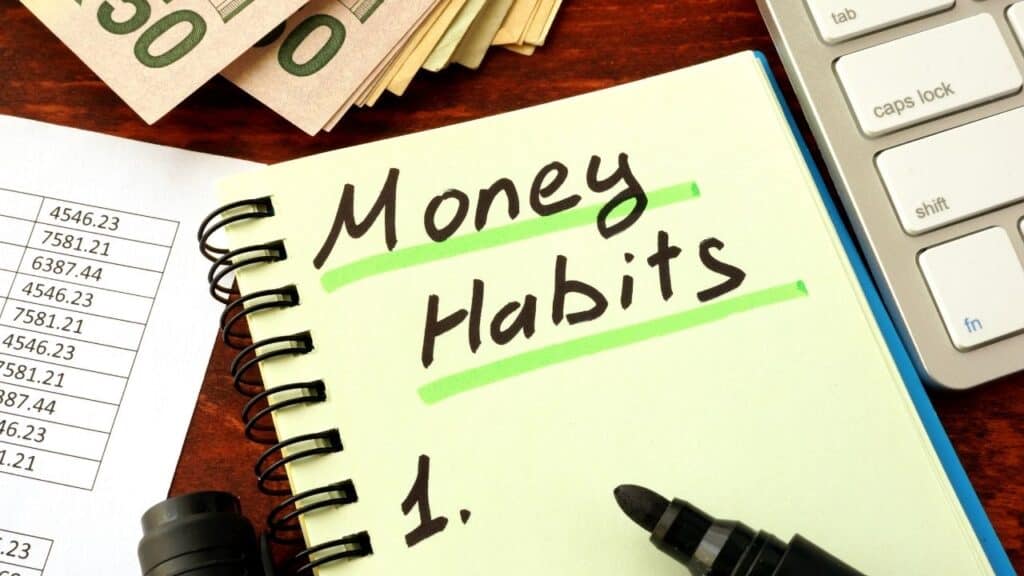
By practicing gratitude, you help curb lifestyle inflation by focusing on what you already have rather than chasing after every new upgrade or luxury. When you appreciate your possessions and celebrate small wins, you naturally make more mindful choices about your spending. Gratitude shifts your mindset from comparison to contentment, making it easier to resist unnecessary purchases. Adopting this perspective lets you build genuine financial well-being—and there are simple ways to make this a habit every day.
Understanding Lifestyle Inflation
When your income increases, it’s tempting to start spending more on things you once considered luxuries. You might upgrade your car, dine out more often, or splurge on premium gadgets, thinking you’ve earned it. Analyzing your current spending habits can help you identify where your money goes and whether these new expenses genuinely add value to your life.
This gradual rise in spending is known as lifestyle inflation. If you don’t pay attention, your new lifestyle choices can quickly absorb all your extra income, leaving you no better off financially than before. Tracking income and expenses is a helpful way to stay mindful of how your spending changes as your earnings grow. Creating and regularly reviewing the budget can help you spot these subtle shifts before they become habits. A user-friendly app can simplify this process and help you stay on top of your financial goals.

To avoid falling into this trap, you need to become aware of your financial mindset. Ask yourself if your spending aligns with your values or if it’s just a reaction to higher earnings.
One way to prevent lifestyle inflation is by creating a flexible budget that helps you track essential expenses and adjust your spending habits as your financial situation changes.
The Psychological Impact of Gratitude
When you practice gratitude, you naturally stop measuring your life against others and start appreciating what’s right in front of you. This shift helps you feel more grounded in the present, making it easier to notice and enjoy simple pleasures. As a result, you’ll find that your cravings for more stuff begin to lose their hold on you. Practicing gratitude also supports a positive money mindset, encouraging you to celebrate small wins and recognize the abundance already present in your life.
Over time, gratitude can help you develop intentional choices about your spending, aligning your actions more closely with your financial goals. In fact, gratitude often leads to mindful spending habits that reflect your true values and help you avoid unnecessary purchases. Using real-time insights from financial apps can further strengthen your ability to notice and appreciate your progress, reinforcing your commitment to mindful spending.
By practicing gratitude and reviewing your spending regularly, you can proactively prepare for seasonal expenses that may otherwise disrupt your budget.

Shifting Focus From Comparison
Although it’s easy to fall into the trap of comparing your life to others—especially in a world saturated with social media—gratitude helps you redirect your attention to what you already have.
Comparison traps can leave you feeling inadequate, fueling the desire for more and leading to lifestyle inflation. Practicing gratitude shifts your mindset, reminding you that your own achievements and possessions are enough. You’ll start to notice how contentment grows when you focus on genuine appreciation.
Here are three ways to shift your focus from comparison to gratitude:
- Write down three things you’re thankful for each day.
- Limit time spent on social media to reduce exposure to comparison triggers.
- Celebrate your progress, not just your outcomes, by acknowledging small wins regularly.
Enhancing Present-Moment Awareness
Focusing on gratitude doesn’t just quiet the urge to compare; it also anchors you in the present moment. When you practice mindful breathing, you gently guide your awareness back to now rather than letting your thoughts wander to what you lack.
Boost sensory awareness by noticing the warmth of sunlight, the scent of coffee, or the feel of your favorite sweater. Gratitude journaling lets you capture these moments, encouraging present engagement and deepening your appreciation for daily life.
Schedule moment reflection—pausing briefly to acknowledge what’s going well. Create appreciation rituals, like sharing one thing you’re thankful for before meals.
These actions help you fully experience each day, making it easier to savor what you have and live more intentionally.
Reducing Materialistic Desires
As you practice gratitude consistently, you’ll find that your desire for new possessions naturally lessens. When you truly appreciate what you already have, you create space for mindful consumption and begin to question whether new purchases actually add value to your life.
Embracing minimalism principles becomes easier—you start to seek fulfillment from experiences and relationships rather than material goods. This shift doesn’t mean you never buy new things; instead, you make intentional choices that align with your real needs.
Here’s how gratitude helps you reduce materialistic desires:
- You savor and recognize the abundance already present in your life.
- You pause and reflect before making impulse purchases, supporting mindful consumption.
- You focus on what genuinely brings joy, aligning your habits with minimalism principles.

How Gratitude Shifts Your Spending Mindset
When you practice gratitude, you start noticing the abundance already in your life instead of always seeking more.
This mindset helps you rethink what you truly need versus what’s simply a fleeting want.
Focusing on Present Abundance
Although it’s easy to get caught up in chasing the next purchase or upgrade, practicing gratitude helps you see the real value in what you already have.
When you turn your attention to the abundance in your life, you shift your mindset from scarcity to appreciation. This mindful presence grounds you, reminding you that intentional living isn’t about accumulating more, but about cherishing what’s already around you.
Here’s how you can focus on present abundance:
- List three things daily—Each morning, jot down three things you’re grateful for.
- Pause before spending—Ask yourself if a purchase truly adds value or just distracts from what you already enjoy.
- Celebrate small joys—Recognize and savor simple pleasures, like a warm cup of coffee or a cozy evening at home.
Redefining True Necessities
Because gratitude highlights what truly matters, you start to see the difference between what you need and what you simply want. When you practice gratitude daily, you naturally evaluate your purchases through the lens of essential vs. extravagant.
You begin to ask yourself: Does this item truly add value to my life, or is it just a fleeting desire? This self-reflection guides you toward minimalist living, where you focus on essentials—things that genuinely support your well-being.
Instead of chasing the latest trends or status symbols, gratitude encourages you to appreciate what you already own. You’ll notice how little you actually need, making it easier to resist lifestyle inflation.

Recognizing the Value of What You Own
Gratitude starts with a clear look at what you already have. Instead of rushing to upgrade or buy more, pause and notice the items in your life that serve you well every day.
When you begin valuing possessions for their purpose and meaning rather than their novelty, you naturally start appreciating simplicity. This mindset helps you resist lifestyle inflation and focus on lasting contentment.
Try this approach:
- Recall why you purchased or received an item—does it still fulfill its purpose?
- Identify items you use daily—how do they make your life easier or more joyful?
- Reflect on sentimental value—what memories or experiences do certain things represent?
Recognizing the value of what you own grounds you in gratitude and helps curb unnecessary spending.
Practical Gratitude Exercises for Daily Life
Once you start seeing the value in what you already own, you can put that awareness into practice with simple daily habits.
Begin by incorporating gratitude journaling into your routine—each morning or evening, jot down three things you appreciate about your life, possessions, or experiences. This practice helps you focus on abundance rather than lack.
You can also create appreciation rituals, like pausing before a meal to acknowledge the effort behind your food, or taking a moment to recognize the comfort your home provides.
Try expressing gratitude to family or friends, letting them know how much you value their presence. By making these small actions part of your day, you can foster a lasting sense of contentment and reduce the urge for unnecessary upgrades.
Building Mindful Spending Habits
While it’s easy to fall into autopilot when shopping, mindful spending invites you to pause and consider your true needs before making a purchase.
By practicing mindful budgeting, you give yourself the power to align your spending with your values and priorities. Conscious purchases don’t mean depriving yourself; instead, you’re choosing to invest your money intentionally and thoughtfully.

Here are three steps to build better spending habits:
- Track your expenses: Notice where your money goes each month to spot unnecessary patterns.
- Ask yourself “why” before buying: Pinpoint if the purchase meets a genuine need or just a temporary desire.
- Set spending intentions: Decide in advance how you’ll allocate funds, helping you stay focused and avoid impulsive buys.
With mindful budgeting, you’ll create habits that support lasting financial well-being.
Celebrating Non-Material Achievements
Although it’s natural to associate progress with material rewards, recognizing your non-material achievements can be even more fulfilling.
Shift your focus from possessions to personal growth by celebrating milestones like mastering new skills, developing emotional resilience, or participating in community involvement.
Value experience over possessions by reflecting on moments of lifelong learning, health achievements, or improved time management.
Take time for self reflection and acknowledge how far you’ve come, not just what you’ve acquired.
Notice how investing in skill development or relationship building brings lasting satisfaction.
When you honor these wins, you’re less tempted by lifestyle inflation and more motivated to continue meaningful progress.
Strengthening Relationships Through Appreciation
Recognizing your own growth is powerful, but gratitude becomes even more impactful when you share it with others. By focusing on appreciation rituals and genuine expressions of thanks, you strengthen bonds and deepen trust.
Try weaving gratitude into your daily interactions—offer heartfelt compliments, practice active listening, and show emotional support. These actions create meaningful conversations and foster long-lasting connections.
Here are three ways to nurture relationships through appreciation:
- Write gratitude letters to express positive feedback and acknowledge supportive gestures.
- Schedule quality time for shared experiences, like a walk or coffee, to celebrate together.
- Establish appreciation rituals, such as weekly check-ins, to openly share what you value in each other.
Through these steps, you reinforce relationships and create a supportive environment.

Long-Term Benefits for Financial Well-Being
When you make gratitude a daily practice, you naturally shift your focus from what you lack to what you already have, reducing the urge to constantly upgrade your lifestyle. This mindset helps you avoid unnecessary spending and keeps lifestyle inflation in check.
Over time, you’ll notice your savings grow, laying a solid foundation for financial stability. By appreciating what you have, you become more intentional with your money, prioritizing long-term goals over fleeting desires.
Building this habit doesn’t just protect your finances now—it also sets you up for sustainable wealth. With each mindful financial decision, you reinforce positive habits that compound over years.
Gratitude empowers you to create a life where financial security and contentment coexist, helping you achieve lasting well-being and peace of mind.
Conclusion
By practicing gratitude every day, you’ll naturally resist lifestyle inflation and make more mindful choices with your money. Take time to appreciate what you already have and celebrate achievements that don’t require spending. When you focus on relationships and meaningful experiences, you’ll find contentment outside of material things. Start small with gratitude exercises, and you’ll build habits that strengthen both your finances and your well-being. Remember, a grateful mindset is your best tool for lasting financial happiness.