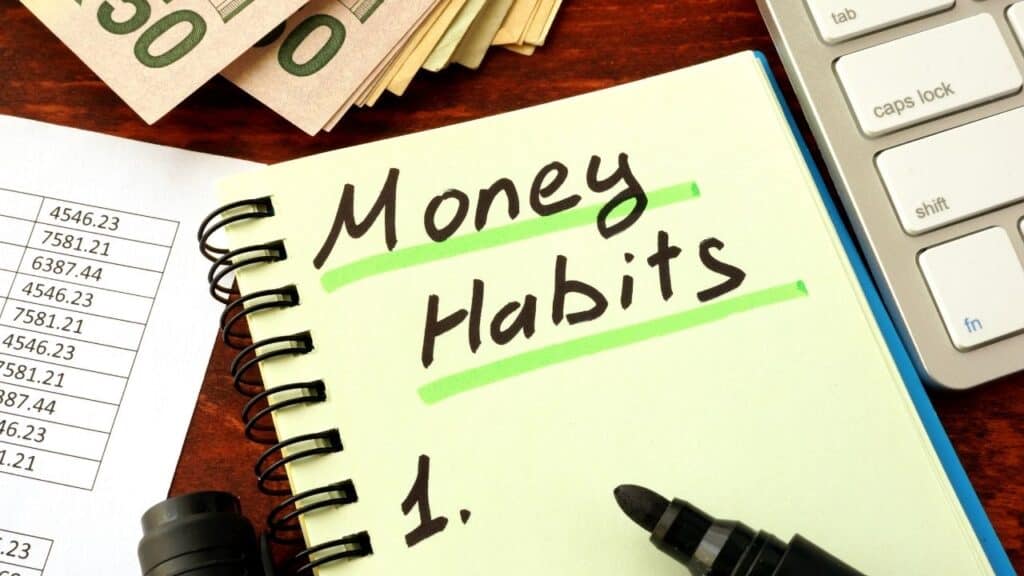
You might reach for a quick treat or buy something special when you’re stressed because it feels like you deserve it—but that reflex can quietly sabotage your financial progress. If you notice stress or boredom triggers your spending, pause and ask if the purchase really supports your goals. Small changes, like enjoying a walk or connecting with a friend instead, can be just as rewarding. There are practical, encouraging ways to gently shift the “I deserve it” cycle.
Understanding the Psychology Behind Reward Spending
Why do you feel that urge to buy something nice after a hard day or a tough week? It’s not just about wanting new things—it’s deeply tied to reward psychology. When you’re stressed or exhausted, your brain craves a boost, and shopping can offer quick relief. That small purchase isn’t just an object; it’s a symbol of comfort and validation. Emotional spending happens when you try to soothe difficult feelings or celebrate achievements by treating yourself. Developing money habits that stick can help you replace impulsive spending with positive routines that support your financial goals.
You’re not alone—many people use shopping as a way to cope with life’s ups and downs. Understanding this connection helps you see that it’s a natural response, not a personal flaw. Recognizing it’s the first step toward making healthier, more mindful choices. Building an emergency fund can also offer a sense of security, making it easier to resist emotional spending when unexpected expenses or stress arise. Developing financial awareness can further help you notice patterns in your spending habits and empower you to make more intentional decisions. Taking time to track expenses for even one month can reveal your unique spending triggers and help you pinpoint moments when you’re most likely to shop emotionally. Making even small adjustments to your daily habits can lead to significant savings over time and help break the cycle of emotional spending.

Recognizing Triggers That Lead to Impulse Purchases
Even when you have the best intentions, certain moments or feelings can push you toward unplanned purchases before you realize it.
Recognizing what sets off your impulse to spend is an essential step in breaking the “I deserve it” cycle. Developing impulse awareness means tuning in to your emotions and surroundings when you feel the urge to shop. By using real-time analysis from financial apps, you can get immediate feedback about your spending, making it easier to identify when you’re falling into old habits. Many modern budgeting apps offer budget alerts that notify you when you’re nearing your spending limits, helping you catch impulsive decisions in the moment. Building an emergency fund can also provide a financial buffer, which helps reduce the stress that often triggers impulse spending. Learning to categorize spending into needs and wants can further help you prioritize essential expenses and avoid unnecessary splurges.
By practicing trigger identification, you can start to see patterns and anticipate situations that might lead to impulsive spending. Consider these common triggers:
- Emotional lows, like stress or boredom, making a quick purchase feel comforting
- Social influence, such as friends’ recommendations or trending products online
- Celebrations or milestones, where treating yourself becomes a default response
- Marketing tactics, including limited-time offers or targeted ads that create urgency
Acknowledging these triggers empowers you to pause before buying. Creating expense tracking habits can also help you recognize and manage these impulses more effectively.
Assessing the Impact on Your Financial Goals
Once you start spotting the moments that spark your impulse to spend, it becomes easier to see how those choices add up over time.
Each purchase, especially those driven by the “I deserve it” mindset, can slowly pull you away from your bigger financial goals. It’s not about feeling guilty—it’s about understanding the real impact.
When you pause to reflect whether a purchase supports your goal alignment, you empower yourself to make informed decisions. Sometimes, spending in the moment feels rewarding, but the financial consequences can linger, quietly delaying your progress.
Developing Alternative Reward Systems
Although spending can bring a quick sense of satisfaction, you can nurture that same feeling through other, more sustainable means.
By exploring reward alternatives, you’ll discover that positive reinforcement doesn’t always have to cost money. Try shifting your focus to experiences or actions that uplift you without straining your finances. This approach allows you to celebrate achievements, manage stress, or unwind, all while honoring your goals.
Here are some thoughtful ways to practice positive reinforcement:
- Take a mindful walk in nature to recharge and reflect.
- Enjoy a favorite book, podcast, or playlist as a treat.
- Connect with a loved one for quality time or a heartfelt conversation.
- Indulge in creative activities like cooking, drawing, or journaling.
These alternatives can genuinely satisfy your need for reward.

Building Sustainable Spending Habits
When you’re ready to break free from impulsive spending, building sustainable habits becomes essential for lasting change.
Start by exploring budgeting strategies that align with your life and values. It’s not about restriction; it’s about clarity—knowing where your money goes and what truly matters to you.
Set realistic spending limits and revisit them often, adjusting as your needs change. Mindful shopping plays a key role here. Before each purchase, pause and ask yourself if it supports your goals or simply satisfies a fleeting urge.
Over time, these small acts of awareness help you spend intentionally, rather than reactively. Remember, you’re not seeking perfection—just progress. Each thoughtful choice strengthens your confidence and helps you create a healthy, sustainable relationship with money.
Conclusion
Breaking the “I deserve it” spending cycle isn’t about denying yourself joy—it’s about honoring your goals and well-being. When you spot your spending triggers, you can choose mindful rewards that truly satisfy you. Every time you pause and reflect, you’re building habits that support your future. Remember, you deserve peace of mind as much as any treat. Take it one step at a time—you’re capable of lasting, positive change.