Hey there! Ever found yourself scratching your head, wondering where all your money went?
You’re not alone. Budgeting is like a roadmap for your finances. It guides you on how to allocate your money, helping you keep track of where every penny goes. In today’s fast-paced, consumer-driven world, personal budgeting strategies are not just a good-to-have, they’re a must-have!
Why Budgeting Matters
So, why does budgeting get so much hype? Well, think of budgeting as the backbone of personal finance. It’s the tool that gives you control over your money, rather than letting your money control you.
Budgeting helps you make informed decisions about your spending, saving, and investing. It’s like a financial health check-up that keeps your money matters in tip-top shape.
Plus, it’s your ticket to financial freedom and future planning. Sounds pretty important, right?
Top Budgeting Strategies
Now that we’ve got the why covered, let’s dive into the how. Here are some top-notch budgeting strategies that can help you manage your money like a pro.
The 50/30/20 Budgeting Rule
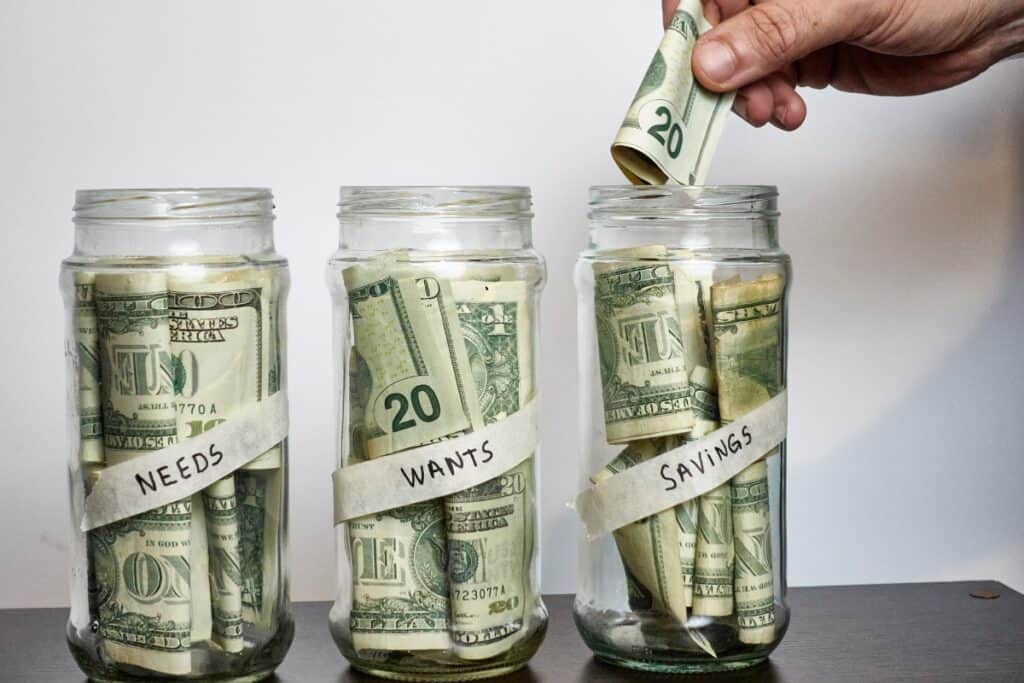
Ever heard of the 50/30/20 rule? It’s a simple yet effective budgeting strategy.
Here’s How:
The 50/30/20 rule is a budgeting strategy where you divide your after-tax income into three categories: needs, wants, and savings. Needs, which include essentials like rent and groceries, should make up 50% of your budget. Wants, or non-essential items like dining out or a new pair of shoes, should make up 30%. The remaining 20% should go towards savings or paying off debt.
Pros:
- It’s simple and easy to understand.
- It provides a balanced approach to budgeting, ensuring you cover your needs, enjoy your wants, and still save for the future.
Cons:
- It may not be flexible enough for those with irregular income or unique financial situations.
- It requires discipline to stick to the allocated percentages.
Zero-Based Budgeting

Here’s How:
Zero-based budgeting is a method where your income minus your expenses equals zero. This means every dollar you earn has a specific purpose. To implement it, list all your income and expenses, then allocate your income to those expenses until you have nothing left.
Pros:
- It gives you complete control over your money, ensuring every dollar is put to good use.
- It encourages you to scrutinize every expense, which can help identify areas of unnecessary spending.
Cons:
- It can be time-consuming as it requires you to account for every dollar.
- It may be too restrictive for some, leaving little room for spontaneous spending.
Envelope Budgeting System

Let’s take a trip down memory lane. Remember when people used to physically divide their cash into different envelopes for different expenses? That’s the envelope budgeting system for you!
Each envelope represents a category of your budget, like groceries, rent, or entertainment. You only spend what’s in each envelope for that category.
No more, no less.
Here’s how to use it effectively:
- Determine your spending categories and allocate a specific amount to each.
- Withdraw cash and distribute it among your envelopes.
- Only spend what’s in the envelope. If it’s empty, you’re done spending in that category for the month.
Pros:
- It’s a visual and tangible way to manage your money.
- It can help curb overspending.
Cons:
- It might not be suitable for digital or card transactions.
- It requires discipline and careful cash handling.
Automating Your Savings

Next up, let’s talk about automating your savings. It’s all about “paying yourself first”. Before you pay bills, buy groceries, or splurge on that new gadget, you set aside a portion of your income for savings. And the best part? You can automate it!
Here’s how:
- Set up automatic transfers from your checking account to your savings account.
- Schedule these transfers right after you get paid.
Pros:
- It’s a set-it-and-forget-it method, which makes saving effortless.
- It ensures you’re consistently saving every month.
Cons:
- It requires a steady income.
- It might not be flexible for unexpected expenses.
Using Budgeting Apps and Tools

In this digital age, budgeting has gone high-tech. There are tons of budgeting apps and tools out there that can help you manage your personal finances. Some popular ones include Mint, YNAB (You Need A Budget), and PocketGuard.
These tools can:
- Track your income and expenses.
- Categorize your spending.
- Set and monitor your budget goals.
Pros:
- They provide real-time updates and visual representations of your finances.
- They can sync with your bank accounts and credit cards for automatic tracking.
Cons:
- They might have a learning curve.
- Privacy and security concerns might arise due to linking bank accounts.
Practical Budgeting Tips
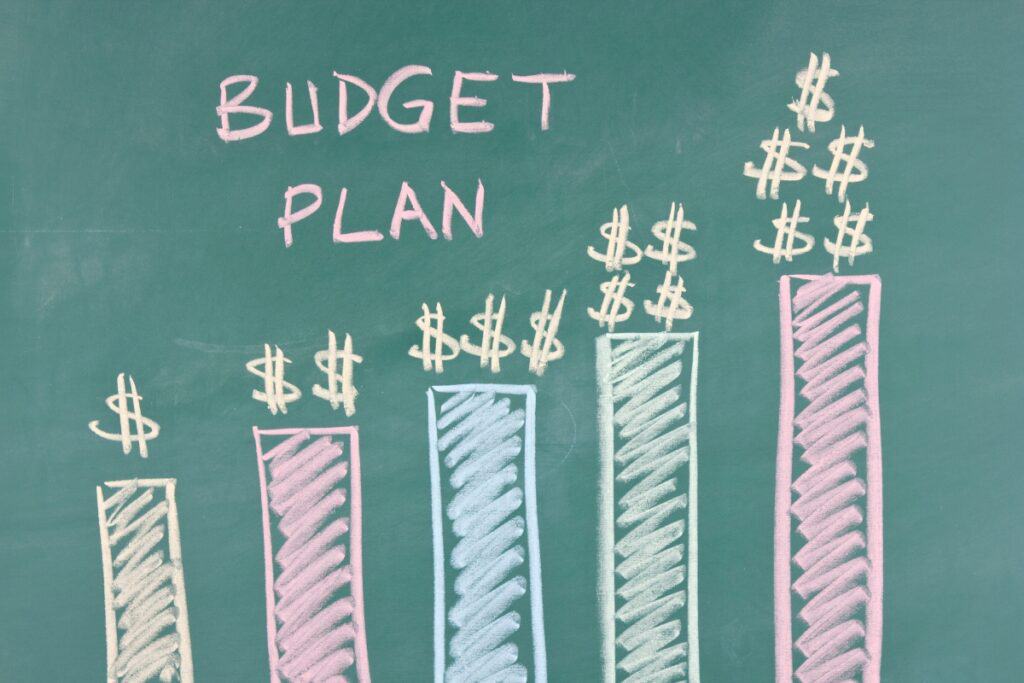
Ready to become a budgeting superstar? Here are some practical tips to help you along the way:
- Start Small: Don’t overwhelm yourself. Begin with a simple budget and gradually add more categories as you get comfortable.
- Be Realistic: Your budget should reflect your reality. Don’t set overly ambitious savings goals that leave you struggling.
- Adjust As Needed: Your budget isn’t set in stone. Life happens, and it’s okay to make adjustments.
Staying motivated can be tough, especially when you’re just starting out. Here’s how to keep the budgeting flame alive:
- Set Clear Goals: Whether it’s saving for a vacation or paying off debt, having a clear goal can keep you motivated.
- Celebrate Small Wins: Did you stick to your budget for the month? Celebrate! These small wins can keep you going.
And remember, everyone faces budgeting challenges. The key is to learn from them and keep moving forward.
The Role of Accountability in Budgeting
Accountability can be a game-changer in budgeting. Having someone to share your financial goals and progress with can keep you on track. This could be a friend, family member, or even an online community. They can provide support, encouragement, and a little friendly pressure to stick to your budget.
Online support, like budgeting forums or social media groups, can also be a great resource. You can learn from others’ experiences, share your own, and find solutions to common budgeting hurdles.
Conclusion
And there you have it! A comprehensive guide to personal budgeting strategies. Remember, budgeting is a journey, not a destination. It’s about making consistent efforts towards better financial health.
So, why not start today? Pick a strategy, make a plan, and take that first step towards mastering your money. You’ve got this!
References
For further reading and resources, check out these books:
- “Your Money or Your Life” by Vicki Robin
- “The Total Money Makeover” by Dave Ramsey
- “Broke Millennial” by Erin Lowry