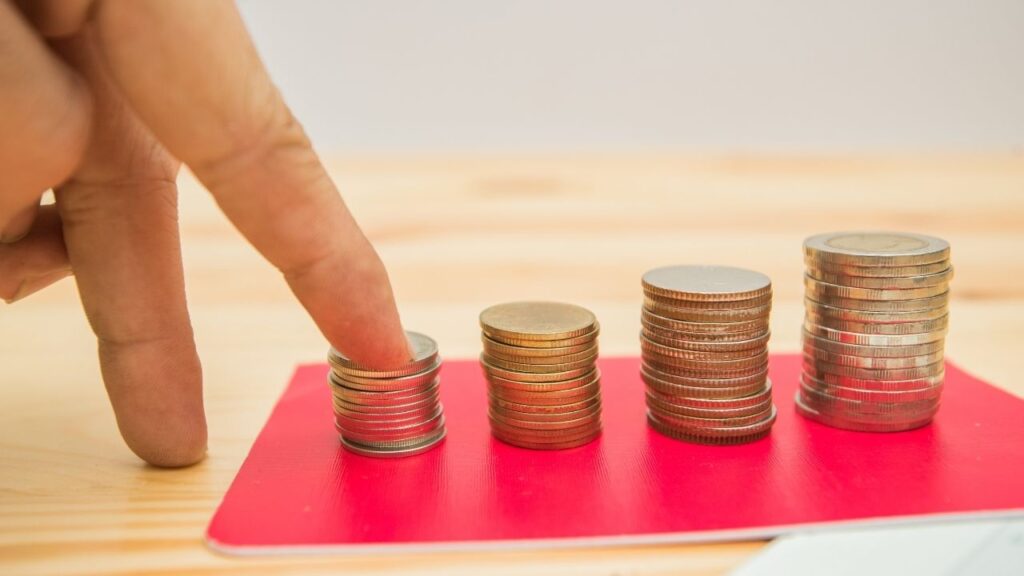
You’re renting an apartment, and you love it. You have great roommates, you’re close to public transportation, and your landlord is relatively hands-off. But you’re also ready to buy a place of your own.
You want a place where you can paint the walls, put up pictures, and host dinner parties without worrying about breaking the lease. So how do you save for a house while renting?
Many renters feel like it’s impossible to save for a permanent house. This is especially if you don’t have a lot of extra money to put aside each month.
Depending on the location, houses can be extremely expensive. The down payment alone may be more than enough to discourage you from saving. But it is possible to save for a house while renting. It just takes some dedication and financial planning.
Here are some tips for saving for a house while renting:
Know Your Finances
Before you even start looking at houses, it’s crucial that you have a firm understanding of your finances. Take some time to figure out what you’re earning, how much you’re spending, and where you can cut back. This will help you decide how much money you can realistically set aside each month toward your down payment savings goal.
You’ll need to track your income and expenses to know your finances. If you’re unsure about how much money you’re spending each month, try keeping a detailed expense log or using an online tool like Mint to track your spending.
Set and Stick to a Budget
The first step in saving for a house is creating a budget and sticking to it. Now that you have an idea of your current finances, it’s time to set a budget and make an effort to stick to it. Make sure you put aside a set amount of cash each month for savings and try to cut back on unnecessary expenses.
Let’s say your monthly income is $3,000, and you can put $400 toward your monthly down payment. Try setting a budget of $2,600 each month so you can save the extra $400 for your down payment. This means cutting back on little luxuries like eating out, expensive coffees, and shopping trips. As much as possible, live below your budget to maximize your savings.
Create an Emergency Fund
Aside from your savings, consider creating an emergency fund. Put aside a small amount each month—even if it’s just $25—to create a safety net of cash. This way, you will have the capacity to cover any unexpected expenses without having to dip into your down payment savings.
Save Automatically
You might want to automatically transfer a fixed amount from your checking account into savings. That way, you don’t even have to think about transferring money into your down payment fund—it will happen automatically. Many banks will even let you set up multiple savings goals so that you can see how much closer you’re getting to your down payment each month. I
Get Creative With Your Housing Situation
Other options are available if buying a house isn’t feasible right now. For example, consider moving to a less expensive suburb or another state altogether if you live in an expensive city. You could consider getting roommates or renting out part of your apartment on Airbnb when you’re not using it yourself.
Is your plan of purchasing a home still years away? Then consider investing in real estate through a company like Roofstock. This allows you to start building property equity without committing to buying it.
Build Your Credit Score
Your credit score is a critical factor in the home-buying process. You’ll enjoy better chances of a mortgage approval and get a better interest rate with a good credit score.
The following tips can help you build your credit score:
- Pay all of your bills on time.
- Don’t max out any of your credit cards.
- Keep your credit card balances low.
- Don’t open too many new lines of credit at once.
- Check your credit score regularly.
Take Care of Your Debt
If you have any debt, prioritize paying it before saving for a house. This will help ensure that your credit score is in good shape and that you can qualify for a better mortgage rate.
List all of your debts and the interest rates associated with them. Set yourself goals for paying off each one. After paying off your debts, you can focus on saving for a down payment without the burden of debt.
Find Ways To Make More Money
Finally, consider finding ways to make more money. Having additional income will help you save for a down payment faster. It can also give you more negotiating power when negotiating an offer on a home.
Check outside hustles and consider taking on freelance work or a part-time job to bring in extra income. You can also look for opportunities to increase your income through promotions at work or by asking for a raise.
Saving for a house while renting doesn’t have to be difficult—it just takes intentional planning and effort. By creating (and following!) a budget, saving each month automatically, and getting creative with your housing situation, you can reach your goal of homeownership in no time. So what are you waiting for? Start saving today!