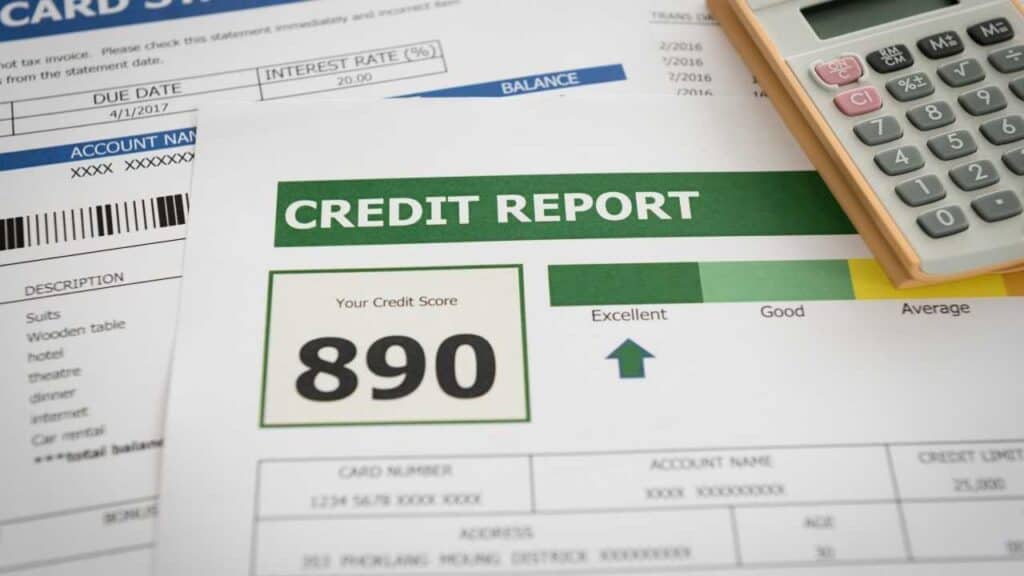
Your credit report shows personal info, accounts, collections, public records, and inquiries. There is no section on your credit report that informs you or anyone who accesses it about evictions.
How does eviction end up in my credit report?
There are three main reasons for eviction. These are non-payment of rent, damage to property, and violation or end of the lease. If you were unable to pay your rent or inflicted damage to the property, it means you owe the property owner money. The property owner may choose to sell your debt to a collection agency to seek payment. If this happens, a collection account will appear on your credit file. This will remain for seven years if not settled.
That said, eviction usually does not show up in your credit reports. But, if your landlord sold your debt to a collection agency, it will appear on your credit report as a collection.
How does eviction impact my credit?
Since an eviction will not appear on your credit report, it won’t affect how banks or lenders view you. However, it’s another story if the property owner sends unpaid debts to a collection agency instead of directly disputing charges with creditors and financial institutions first (which is what they’re supposed to do). Collection accounts can remain in your credit for 7-10 years and drop your score drastically as well until paid off. So make sure to pay bills promptly!
A collection on your credit report can decrease your available credit up to -110, which could result in you losing access to rewards cards or the lowest possible interest rates for loans.
Furthermore, you could face difficulty in securing future property rentals. Even evictions that are not turned over to collectors end up in public records. These include tenant- screening services and court records for court-related evictions. These are accessible files used by property owners to screen prospective tenants.
How can I remove eviction from my credit report?
A collection account sold by your former landlord will remain in your credit file if not paid. Afterward, the credit bureau will delete the account after seven years. If you decide to take action now instead of waiting, here are some options you might want to do.
Check your credit report
There are times when property owners do not seek judgments or sell your debt to debt collectors. If you are lucky, there might be no collection account recorded on your credit file. You can check this for free by visiting AnnualCreditReport.com.
Make sure the debt belongs to you
Review the collection listed on your credit file and make sure that it belongs to you. Ensure that all the data are accurate. If the collection filed does not belong to you or is inaccurate, you can submit a dispute. Dispute forms are available on any of the credit bureau’s websites. The credit reporting company has 30 days to investigate the validity of your claim.
If your claim is right, the credit bureau will remove the collection account from your report. But, if the collection report is accurate, it will stay on your report for up to seven years.
Settle your debt
If the collection is accurate and you are eager to remove it from your credit report, you must settle your debt. If you can afford to make a one-time payment, do so. If not, reach out to your debt collector and negotiate a payment plan. Make sure that they are willing to have your collection record removed after the payment.
If you were able to come up with an agreeable payment plan, pay on the agreed schedule. The most secure way to do this will be by sending a cheque with a return receipt through mail. These receipts will prove that the collection agency received the cheques.
Document everything
Documentation is vital, especially when dealing with collection agencies. Make sure to take down the agent’s name, contact information, and everything you discuss. Request a copy of any agreements and contracts you agreed to. Read everything before signing your name. Demand in writing that they delete the account from your credit report after the payment.
Ask for your deletion of the collection account
Ask the collection agency to remove the collection account after finishing the payment.
Can I rent if an eviction is still in my public record?
Most property owners do routine background checks on their prospective tenants. Some may not request your credit report if you are lucky. Unfortunately, an eviction can still appear on public records. This happens when your previous property owner files and wins a civil case against you. This will be easy to access because court documents are public records.
You could settle the judgment with your previous landlord. Still, evictions would be evident when potential landlords do routine background checks. This makes you a risky bet and may turn off most potential landlords.
In some cases, it helps to be honest with your prospective landlord. Explain how the judgment or collection account came to be. Show evidence that you are trying to rectify this issue. Say that you are willing to sign a contract to make sure you pay your rent on time.
Though it may be difficult or limit your options, you can still rent a property with an eviction on your records. There are property owners who do not need a squeaky clean rental history. Some even offer customized leases or rental agreements for tenants with eviction records. Unfortunately, most of these options have higher deposits and rental payments.
Conclusion
Removing signs of eviction from your credit report is not impossible. It may be time-consuming and laborious. But, it is better than facing the effects of having a negative credit score.