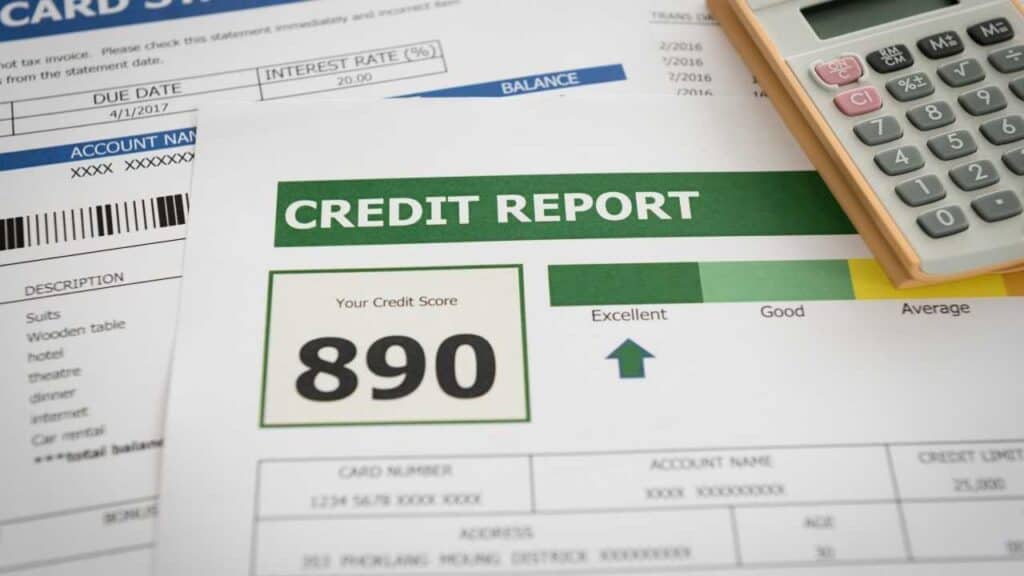
Your credit score is an important part of your financial health. It can significantly impact the interest rates you’re offered for loans, mortgages, and other types of credit.
Good credit means having access to better borrowing opportunities with lower interest rates. Having a good credit score is key when it comes to credit cards, loans, and other forms of credit. Your score can also impact your ability to get your dream job, rent a new apartment, and even how much you need to pay for insurance.
A 635 credit score puts you in the “fair” range—it’s not great, but it’s also not terrible. In this article, we’ll look at what it means to have a 635 credit score and how to improve it so that you can get the best possible terms when taking out loans or applying for new lines of credit. We’ll also discuss factors that influence your overall credit score and tips for boosting your score.
Understanding Credit Scores
Credit scores range from 300 to 850. Anything below 600 is considered “poor,” while anything above 700 is generally considered “good.” A score in the mid-600s is considered “fair.”
To understand what scores are good or bad, consider the chart below as your guide.
Having a poor credit score will most likely result in you being denied any type of loan or line of credit. Scores between 300 and 579 are generally considered bad. Scores between 580 and 699 are considered fair and will likely come with higher interest rates. Scores between 679 and 739 are good, and scores above 750 usually result in the best terms when taking out a loan or applying for new credit.
Is a 635 Credit Score Good or Bad? Pros & Cons

Now that we know what credit score ranges mean let’s look at the specifics of a 635 credit score. A 635 credit score means you fall into the “fair” range. You are likely to have an average credit history. While this isn’t ideal, it’s okay too.
The good news is that having a fair score still gives you access to some loans and lines of credit (albeit with higher interest rates). You still won’t be eligible for prime loans, but you can get some financing.
The bad news is that a fair score means you’ll likely have to pay higher interest rates than people with good credit scores. You may also not qualify for some of the best loan or credit card offers.
Factors That Impact Your Credit Score
Five main factors determine your credit score. This includes your payment history, the amount owed, length of credit history, new credit, and types of credit used. These five factors play a role in determining your overall score.
This chart breaks down the impact of each factor:

Payment history is a major factor when it comes to credit scores. So, ensure you always pay your bills on time and in full. This includes credit card payments, mortgage payments, utility bills, and any other type of loan or line of credit you have.
The amount owed reflects how much debt you carry compared to your total available credit. It’s best to keep this ratio low so lenders can see that you’re managing your debt responsibly.
Your length of credit history indicates how long you’ve been using credit. The longer, the better!
The types of credit used factor into your score because different accounts can reflect differently on your overall score. For example, having a mix of installment loans (like a mortgage or car loan) and revolving credit (like a credit card) can help your score.
Finally, new credit is also vital, as opening too many accounts quickly can negatively affect your score. Try to space out any new applications over time.
Monitoring Your Credit Score
Most credit bureaus offer free online services where you can check your score and review your credit report. This way, you can quickly identify any potential issues that can hurt your score.
Watch out for any suspicious activities on your account. If you notice anything strange, contact the credit bureau immediately. They can investigate and help protect your information.
Remember that you are responsible for monitoring your credit score. Failure to do so can leave you vulnerable to identity theft and other scams.
Mistakes That Can Harm Your Score
Improving your score makes financial sense. Knowing what can hurt your score is important so you can avoid making costly mistakes.
Some of the most common mistakes that can harm your credit score include:
• Paying bills late or missing payments completely. Every late or missed payment can bring it down. Your payment history holds the most weight out of all the factors that affect your score.
• Maxing out your credit cards. Maintain a credit utilization ratio below 30%. High balances compared to your available limit will lower your score.
• Closing old accounts. Keeping accounts open for a long time can benefit your score. Try to only close accounts as a last resort.
• Applying for too much credit at once. Frequent applications for new credit cards or loans can send a red flag to lenders. Be sure to space out your applications, and don’t open more accounts than you need.
• Not monitoring your credit report and score. Regularly checking your report and score is the best way to maintain good credit health. When you don’t keep track of your credit, it’s harder to catch any mistakes or fraud that could hurt your score.
Not having a healthy credit mix. Having various accounts like credit cards, auto loans, and mortgages is beneficial. It shows that you are responsible enough for managing different types of debt.
By being mindful of these mistakes, you can minimize their negative effects and work towards a better credit score.
Final Thoughts
It’s worth taking the time to understand how your credit score works. By tracking your score, monitoring your report, and making smart financial decisions, you can ensure that you’re in good shape when lenders look at your application. Good luck!
References
Cardone, D. (2020). Credit Secrets: The Complete Guide on How to Boost Your Credit Score 100+ Points Without Credit Repair, Improve Your Financial Life, Enjoy Freedom and Independence. Available on Amazon. https://amzn.to/46ver5N
Hack, N. (2021). Credit Secrets 3 in 1: Boost Your FICO Score By 200 Points in Less Than 30 Days. Available on Amazon. https://amzn.to/3raNbsO
Moss, S. (2020). Credit Secrets: 2 books in 1 – Blast Your Credit Score Through The Roof And Repair Bad Credit By Having Everything You Need To Know Explained In Detail. Available on Amazon. https://amzn.to/3r40b3A