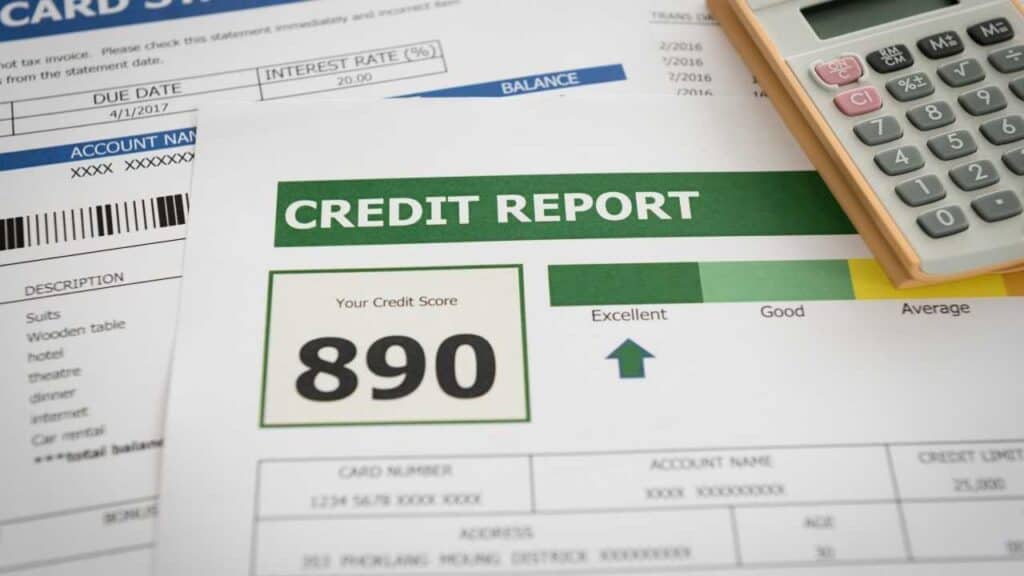
These days, most people use credit as a form of payment. Whether it’s buying something online or taking out a loan, credit plays an important role in our finances. A great credit score is a necessity when it comes to being financially responsible and accessing the best rates for loans or any other type of financial services.
A good credit score can help you do more than get low-interest loans. It can also help you get approved for jobs, rent apartments, and take out insurance policies. That’s why it’s important to understand a credit score and how it works.
Credit Score Must-Knows
Your credit score is an indication of your financial reliability and reflects how likely you are to pay back any debts. It’s calculated based on the information in your credit reports and can range from 300 to 850. Generally, the higher your score, the better.
Credit unions, banks, and other lenders use this number to decide whether they’ll approve you for a loan or credit card. Get up-to-date insight into your credit score for free by visiting any of the plentiful websites offering these services, or sign up with a reliable provider to get instant access.
Five factors that go into calculating your credit score:
- Payment history (35%)
- Amounts owed (30%)
- Length of credit history (15%)
- New credit (10%)
- Types of credit used (10%)
Payment history makes up 35% of your total credit score. This includes whether you’ve paid your bills on time and in full. This will also include any delinquent accounts you may have.
The debt you owe makes up to 30% of your credit score. This includes how much debt you have compared to the amount of available credit you have. It also includes how much you owe on different types of accounts.
Your credit history accounts for up to 15% of your total credit score. This is the length of time that you’ve been using credit and how often you use your accounts.
New credit makes up to 10% of your total credit score. This includes any new accounts or credit inquiries you’ve made in recent months.
Types of credit used makeup to 10% of your credit score. This includes your accounts, such as revolving credit (like a credit card) and installment loans (like a car loan).
What’s A Good Credit Score?
A good credit score falls between 670 and 739. If your score falls in this range, you can get approved for most financial products.
If your score exceeds 740, you have an excellent credit score. You can expect to get the best rates on loans and credit cards.
Is A 648 Credit Score Good or Bad?
A 648 credit score falls into the “fair” range. This could mean you have some negative items in your credit history, such as late payments or high balances. You should take steps to improve your credit score to get the best rates on loans and credit cards.
Ways To Boost Your 648 Credits Score
Even if you have 648 score, there are things you can do to improve your credit score. Here are some tips:
- Pay your bills on time, every time. Paying late or missing payments can impact your credit score and show up in your credit report.
- Check for errors on your credit report. You should check with each of the three major credit bureaus and dispute any errors you find.
- Use credit wisely. Don’t max out your credit cards. Only use a maximum of 30% of your credit.
- Remember to keep old accounts open if you can. A lengthy credit history will be of great benefit to your score.
- Pay off any past-due balances as soon as possible. Doing so can help to improve your credit score quickly.
- Build a solid history of credit. Having a mix of different types of credit, like installment loans and revolving credit, can help to boost your score.
- Be patient. It can take time to improve your credit score, so don’t rush into anything and ensure you’re taking the right steps.
Final Thoughts
A 648 credit score is already in the Fair range, but with a little work and patience, you can boost your score in no time. Follow the aforementioned steps and you’ll be well on your way to bettering your credit score, which will open up a plethora of financial opportunities.