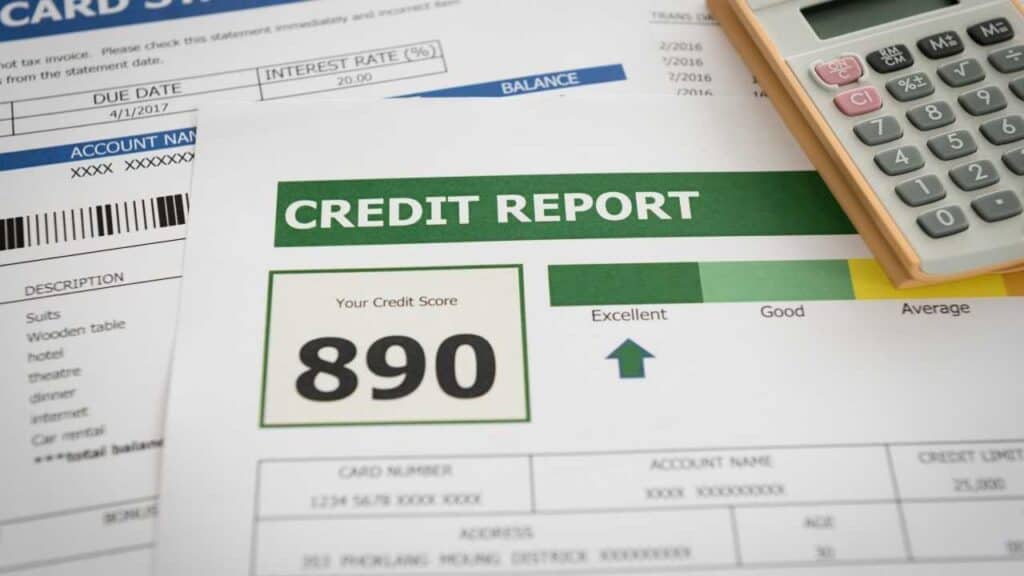
A 653 FICO® Score is certainly Good. You are likely to be eligible for various credit cards and loans. But did you know there are other reasons to aim for a better and higher credit score? Here’s why it makes sense to improve your 653 score and what you can do to boost it even more.
Credit Scores: What Are They Exactly?
A credit score is a three-digit number many adults can get from the three major credit bureaus: Experian, Equifax, and TransUnion. Lenders use this to evaluate your ability and likelihood to pay back debt.
Credit scores have different baselines depending on the industry. This can include the debts you currently have and those you already had in the past, including loan and credit card payments. Other factors like your income, employment history and length of time at an address can also affect your credit score.
The most widely used credit score is the FICO® Score. It’s based on a scale from 300 to 850, with higher scores representing better credit health.
Is a 653 Credit Score Good or Bad?
Generally speaking, a 653 credit score is a Good score. You won’t have any major issues getting approved for credit cards and most loans. You can also get lower interest rates if you keep your credit score in the good range.
However, it is always wise to strive for a higher credit score. A higher score can help you save money since lenders may offer better deals to those with great credit. This can give you a better chance of getting approved for more loans and higher credit limits, even if you have a short credit history.
What Do Lenders Consider Good Credit Scores?
Generally, lenders consider any credit score higher than 700 to be good. However, this can vary from one lender to another depending on their internal policies and standards.
For instance, some lenders may only accept credit scores of 750 and above for their most favorable rates and terms. Others may consider a 680 score to be good enough for approved loans.
What Are Bad Credit Scores?
Credit scores lower than 650 are typically considered bad. Having a poor credit score can make it difficult to obtain loans and charge cards, while also resulting in much higher interest rates.
It’s important to note that lenders may also consider other factors when evaluating your creditworthiness, such as income and employment history.
Factors Affecting Credit Scores
Five major factors affect credit scores: Payment History, Credit Utilization, Credit Age, Types of Credit, and New Credit.
- Payment track record has the most significant influence on your credit score, contributing 35% of its total weight.
- Credit utilization (30%) is the amount of credit you use concerning your available credit.
- Credit age (15%) is the length of time you’ve had a credit history.
- Types of credit (10%) are a mix of installment loans, revolving credit, and other types of debt.
- New credit (10%) is how many new accounts you’ve opened recently.
Why It Pays To Improve Your 653 Credit Score
Having a 653 credit score is good, but striving for better is important. A higher credit score can open up opportunities that would otherwise be unavailable. Aside from better loan rates and interest, having a better credit score can help you with the following instances:
- Renting a new living space. When landlords assess potential tenants, they will often look at their credit scores. Having a higher credit score can give you an edge over other applicants.
- Applying for a new job. Many employers use credit scores as part of their evaluation process. This is especially true with jobs that involve handling money.
- Getting better car insurance rates. Insurers use credit scores to determine how much of a risk they are taking on. Having a higher credit score can lower your monthly insurance payments.
Boosting Your 653 Credit Score
If you have a 653 credit score, you can still do some things to boost it even higher.
Keep Your Credit Utilization Low
To increase your credit score, keep your credit utilization ratio below 30%. This means that you should not be spending more than a third of the amount available on your lines of credit.
Don’t Be Late When Paying Bills
Late payments can significantly hurt your credit score. Remember that even one late payment can cause significant damage. As much as possible, try to pay your bills on time.
Pay Down Existing Debt
If you have existing debt, try to pay it off quickly. Doing so helps in improving your credit score and make you look more attractive to lenders.
Build a Good Credit History
Having a longer credit history can help to increase your score. If you have a short credit history, try to open up new accounts and use them responsibly. This will help to build your credit history and potentially improve your score.
Avoid Closing Unused Credit Cards
Closing your unused credit cards can hurt your score. If you’re not using a card, simply leave it open and don’t use it. This will help to keep your credit utilization ratio in check.
Don’t Forget To Diversify
Different types of credit (such as installment loans and revolving credit) can help improve your score. Diversifying your credit mix shows lenders that you can handle a variety of debt responsibly.
Check Your Credit Report Regularly
Finally, it’s important to stay on top of your credit report. Check it regularly to make sure no errors or fraudulent activities are being reported in your name. This is a crucial step for keeping your
Manage New Accounts Regularly
If you open up a new account, monitor it regularly. Make sure you stay on top of your payments and don’t exceed your credit limit. This will help to ensure that the new account doesn’t affect your score negatively.
By following these tips, you can help to boost your 653 credit score and improve your overall financial health. It might take some time, but your effort will pay off in the long run.
Final Thoughts
A 653 credit score is good, but there’s still room for improvement. You can work towards a higher score with smart budgeting and responsible credit management. This will open up new opportunities that were previously unavailable to you. You can reach your financial goals and achieve a better credit score with little effort and dedication.