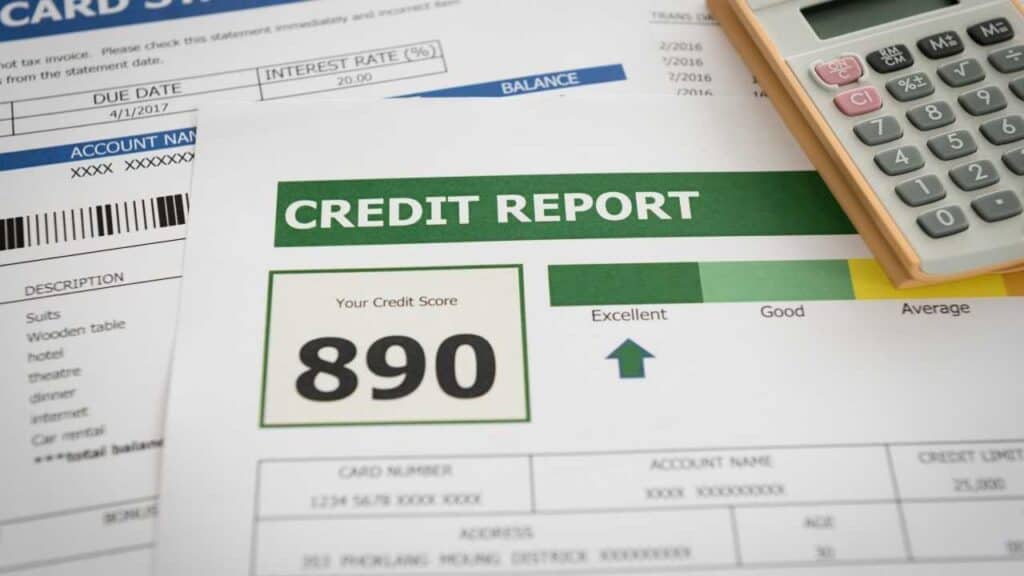
One’s FICO score, aka your credit score, can determine your ability to get loan approval. The higher your score, the easier it gets to take out a loan. While other factors are involved in a lender’s decision-making process, your credit score plays a big role.
When it comes to credit scores, most people think of the magical number 700. But what about 650? Is a 654 credit score good or bad? And why should you care about having a high credit score?
Why A High Score Matters
That 3-digit score you can find on your credit report is made up of a lot of data. This data includes details about your payment history, available credit, and the types of accounts you have. The higher your score, the more “creditworthy” (or reliable) you look to lenders. But some people don’t know that there is more to credit scores than just being good or bad.
For one, your score can do more than impact your ability to get approved for a home loan, car loan, personal loan, and credit card approval. Insurance companies, employers, and even landlords may use your credit score to decide if they want to do business with you.
Some companies now check your credit score before offering a job. Many landlords and insurance companies do, too. Having an excellent score can make it easier to find the job or apartment of your dreams.
Your credit score also falls into ranges and categorized into excellent, very good, good, fair, and bad. The numbers associated with each range differ depending on the scoring model used to calculate it.
So, What’s a Good Credit Score?
Your credit score be anywhere between 300 to 850. It is true that the higher your score, the better your rating. But it’s important to note that each scoring model may have a different range, so take your time with the numbers.
Usually, the FICO score and Vantage Score 3.0 are lenders’ most common scoring models. Here’s a breakdown that will give you a better idea of what score ranges are good or bad.
Is a 654 Credit Score Good or Bad?

A 654 credit score is considered fair and falls between good to bad. It can still provide access to financing opportunities with favorable terms, but you’ll need to do a lot more digging. You may have to look around for lenders willing to work with borrowers in the acceptable range.
Building a Higher Credit Score
A good credit score is key to improving your chances of getting approved for financial services. The good news is your credit score can improve over time if you practice responsible spending and repayment habits. Here’s how you can build your score:
First, Know What Impacts Your Score
Five main factors can influence your credit score. Getting to know the following will help you understand your score better and identify areas that need improvement:
- Payment History. This includes late payments, loan defaults, and other negative marks on your record. For every missed payment, your score can go down.
- Credit Utilization Ratio. This is the amount of available credit you use compared to how much you have available. It’s best to aim for a ratio of 30 percent or lower.
- Length of Credit History. Older accounts are typically seen as more reliable. The longer a credit account has been open, the better your score tends to be.
- Types of Credit Used. It’s good to have various accounts open, such as credit cards, installment loans, and auto loans. Each type of loan has different benefits and can improve your score.
- New Credit Applications. Opening new accounts in a short period will hurt your credit. It’s best to have a good balance between new and old accounts.
Pay Your Dues on Time
Making on-time payments is among the best ways to enhance your credit score. It’s important to pay all your bills and loans by their due dates. This can help you build a positive payment history and improve your credit.
Make More Than the Minimum Payment
Making more than the minimum payment can also have a positive impact on your score. This shows that you can pay off larger amounts and are serious about improving your score. Pay at least the minimum required amount on time. Add a few extra dollars to help reduce your balance faster when you can.
Keep Credit Utilization Low
This refers to the credit you use versus the total amount available. Having a lower credit utilization ratio is beneficial for your credit score. It’s best to aim for a ratio of 30 percent or lower.
You can also improve your credit utilization ratio by increasing your credit limit or opening a new line of credit. This will help raise the total amount of credit available and reduce your ratio.
Check Your Credit Report Regularly
It’s important to keep track of your credit report. This enables you to spot any errors or suspicious activities dragging down your score. Check it every few months and contact the credit bureau to dispute any inaccuracies.
Get a Good Mix of Credit
Having a diverse mix of credit accounts is also beneficial for your score. This includes different types, such as installment loans, credit cards, and auto loans. Each type of loan offers different benefits and can help improve your score over time.
Be Careful With Opening and Closing Credit Accounts
Are you thinking of opening a new credit line? Make sure you understand the terms and conditions before doing so. This will help ensure that it won’t hurt your score.
If you decide to close any credit accounts, do it responsibly. Canceling a card will lower the total amount of available credit and potentially hurt your credit score. It’s usually better to keep your accounts open, even if you don’t use them regularly.
Final Thoughts
Your credit score can influence many decisions in your life. It’s vital to stay on top of it and make sure you’re taking the necessary steps to improve it. Understand the factors that affect your score, pay your bills on time, and aim for a low credit utilization ratio.
With the right strategy, you can significantly increase your score in no time!
References
Cardone, D. (2020). Credit Secrets: The Complete Guide on How to Boost Your Credit Score 100+ Points Without Credit Repair, Improve Your Financial Life, Enjoy Freedom and Independence. Available on Amazon. https://amzn.to/46ver5N
Hack, N. (2021). Credit Secrets 3 in 1: Boost Your FICO Score By 200 Points in Less Than 30 Days. Available on Amazon. https://amzn.to/3raNbsO
Moss, S. (2020). Credit Secrets: 2 books in 1 – Blast Your Credit Score Through The Roof And Repair Bad Credit By Having Everything You Need To Know Explained In Detail. Available on Amazon. https://amzn.to/3r40b3A