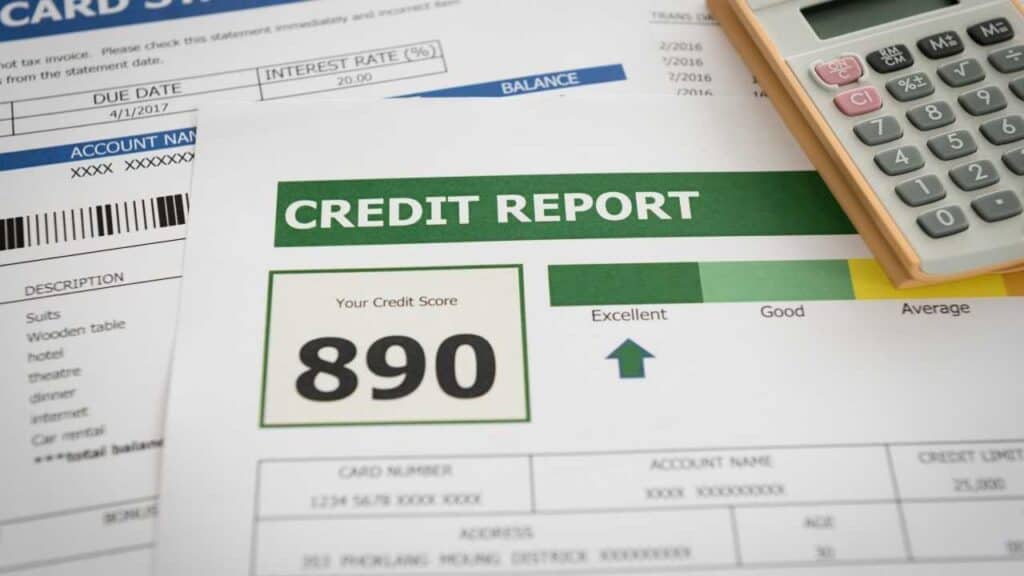
Many people don’t know their credit score because they are unaware of how to access it or the importance of monitoring it. It also could be that they have never taken out a loan before and so never had to check their credit score. Additionally, many people are intimidated by the process and lack the resources or knowledge about where to begin.
Some people may also not realize there is no cost to checking your credit score. Know that financial institutions like banks usually offer free credit checks as well. In addition, there are a number of websites and services that offer free credit checks as well.
The Importance of Knowing and Improving Your Credit Score
Understanding the basics of your credit report and score is crucial since they can impact your financial health. A good credit score could open up opportunities for lower interest rates on loans or even help you get approved for a new loan or line of credit. A poor score may mean lenders are more likely to deny you loans and other financial services.
Insurance companies also check your credit score when it comes time to determine your rates. A low score could lead to higher premiums, and a good one can save you money.
Landlords may also check your credit report before approving you for an apartment or home rental. A good score can be the difference between being approved or denied housing.
Lastly, employers often check credit scores in deciding who to hire. This is true for positions with a high level of financial responsibility, such as banking and finance. If you intend to apply for such positions, it makes sense to start finding ways to boost your credit score.
How To Know Your Credit Score
The most reliable way to monitor your credit score is by requesting a report from the three major credit bureaus: Equifax, Experian, and TransUnion. You can purchase a copy of your report online, or you can request one free report per year from each bureau through AnnualCreditReport.com.
Factors Affecting Credit Scores
Five primary factors go into determining your credit score. These include the following:
- Payment history – 35 percent
- Outstanding debts – 30 percent
- Credit history length – 15 percent
- New accounts – 10 percent
- Credit mix – 10 percent
Is a 661 Credit Score Good or Bad?
Different factors, including payment history, amount of debt, types of credit accounts, length of credit history, and determine your score. A score of 661 falls in the “fair” range, which means it’s not great but is also not terrible.
If your score is 661, you’ll likely be approved for some loans and credit cards but may not receive the best interest rates or terms. Some lenders can consider your applications, but you will likely need to compensate in one way or another.
Let’s say you are after a mortgage loan, and your score is 661. Your lender might request you to pay a bigger down payment or buy private mortgage insurance. Both of these can help reduce their risk and ensure that you are still eligible for the loan despite your credit score.
You could also use a co-signer with a stronger credit score to compensate for your lower one. A co-signer also puts their name on the loan and becomes liable for repaying the debt if you default.
Is It Possible To Improve a 661 Credit Score?
The short answer is yes! Although it can take time to see positive changes, improving your credit score is possible. But first, check your credit report for any errors or discrepancies that may be lowering your score.
From there, focus on paying your monthly bills on time and in full. If you can pay off some of your debt, this will also help.
Remember to check your credit limit and stay within 30% of it. Doing so enables you to maintain a good credit utilization ratio. Most lenders would be willing to approve your loan applications if you can keep your credit usage below 30%.
Know that frequent hard inquiries can also drop your score by several points. Prior to applying for any new loan or credit card, be sure to thoroughly read through all the terms and conditions.
You can also look into taking out a secured loan or opening a new line of credit to build up your score. Make sure to diversify, and pay your bills on time and in full for the best results.
Remember, improving your credit score takes patience and dedication, but it is achievable. With the right strategies and effort, you can boost your score and take advantage of better loan rates and offers.
Conclusion
Ultimately, your credit score is an important part of life and understanding it can help you make smarter financial decisions. Knowing where to access and improve your credit score can be the key to achieving financial success. Unlock the power of a 661 credit score to gain access to advantageous interest rates and enhance your loan terms. Don’t delay any longer in taking charge of your credit report!