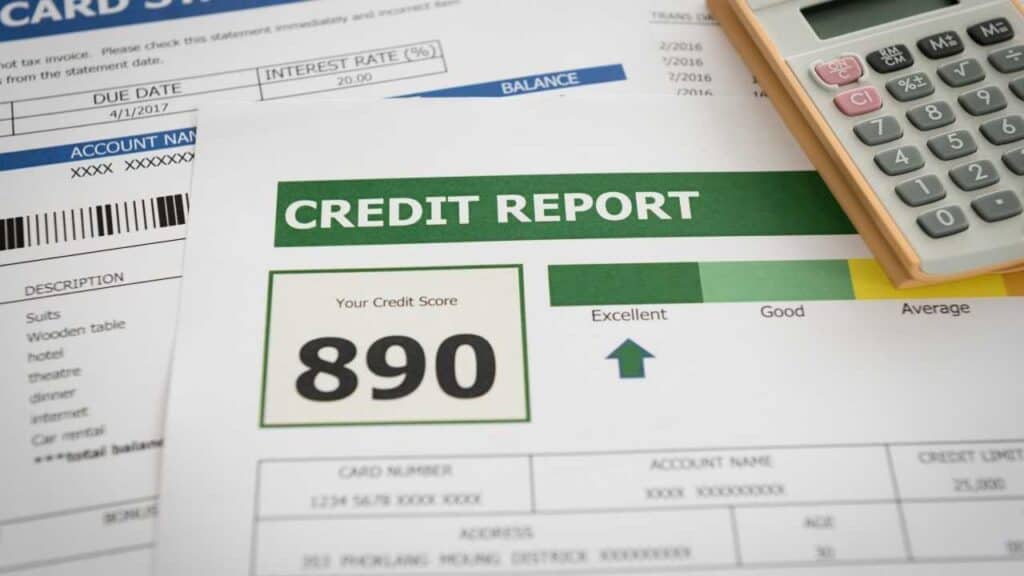
Many people take their credit scores for granted. They think that simply because their score starts with a 6, it’s already good. But that isn’t always the case.
Lenders use your credit score as a way to measure how reliable you are with money. This is the main factor used in loan decisions. A high score makes it easier to borrow money or get financing.
But did you know that credit scores are not only for getting loans and mortgages? These can also determine insurance rates, interest rates, and even your eligibility for certain jobs. Some landlords even check your credit score before taking you as a tenant.
You’ve probably seen your credit score before, but what does it actually mean? Is a 675 credit score good or bad? Here’s a quick guide to help you understand and some tips on improving your score.
Is a 675 Credit Score Good or Bad?
A 675 credit score is pretty good. While you might experience some hiccups getting approved for loans and credit cards with rates and terms as favorable as people with excellent credit scores, you shouldn’t have too much trouble getting approved for most financial products. And, if you can get approved for a higher interest rate than you qualify for, shopping around and comparing offers can help you snag a lower rate.
The following are other things you ought to know about credit scores:
- Your score isn’t everything. Lenders will also consider factors like your income, employment history, and debts when deciding whether to approve your loan or credit card application.
- Having a good credit score gives you negotiating power. If you’re applying for a loan and get approved for a higher interest rate than you’re comfortable with, you can try negotiating with the lender for a lower rate.
- Although you might have a good credit score, it’s still crucial that you act responsibly with your finances. By making timely payments and keeping your balances low, you’ll help yourself maintain a good score. Doing so will also boost your chances of being approved for loans and credit cards with superior terms later on.
What Affects Your Credit Score?
Five components can influence your credit score: payment history, amounts owed, new credit, types of credit used, and length of credit history.
Payment history is the most important component of your score. It accounts for 35% of your score. This is a record of how you’ve repaid past debts, such as mortgage payments or student loans.
Amounts owed make up 30% of your score. It reflects how much debt you’ve taken out in relation to the amount of credit you have available.
The length of credit history is 15% of your score. It considers how long a particular loan has been open or how long you’ve had credit cards.
Types of credit used account for 10% of your score. This records your different loan types, such as mortgages, auto loans, and credit cards.
Finally, new credit accounts for 10% of your score. It considers any new credit you’ve taken out since the last time your score was updated.
How To Exceed a Credit Score of 675
A 675 credit score is nothing to sneeze at—you’re in good shape when it comes to your credit. That said, there’s always room for improvement. If you’re looking to give your score an extra boost, try these tips:
Check Credit Report for Errors
While mistakes on your credit report are rare, they do happen. This is why checking your credit report regularly for any discrepancies makes sense. If there are any discrepancies, contact the creditor and dispute the error.
You’re entitled to a complimentary credit report from each of the three major credit bureaus every twelve months. To dispute an error, you will likely have to provide documentation.
Pay Down Debt
Paying down your existing debt is a great way to boost your credit score. It pays to pay down the balances as quickly as possible. Owing too much credit card debt can lower your score.
Pay Bills on Time
One of the most important factors in your credit score is your payment history. So, if you want to avoid hurting your score, set up reminders for yourself so that you never miss a deadline.
Keep Your Balances Low
Your credit utilization compares the amount of debt you have with your available credit. You shouldn’t use more than 30% of your available credit line. So, if your credit limit is $1000, keep your balance under $300.
Use Different Types of Debt Wisely
A mix of installment loans (like auto loans) and revolving debt (like credit cards) can help improve your score. Just make sure to use them both responsibly.
Conclusion
A credit score of 675 is not necessarily bad, but there’s always room for improvement. You can apply the tips mentioned in this article to help you boost your score even further. By following these tips and acting responsibly with your finances, you’ll be well on your way to excellent credit health in no time!