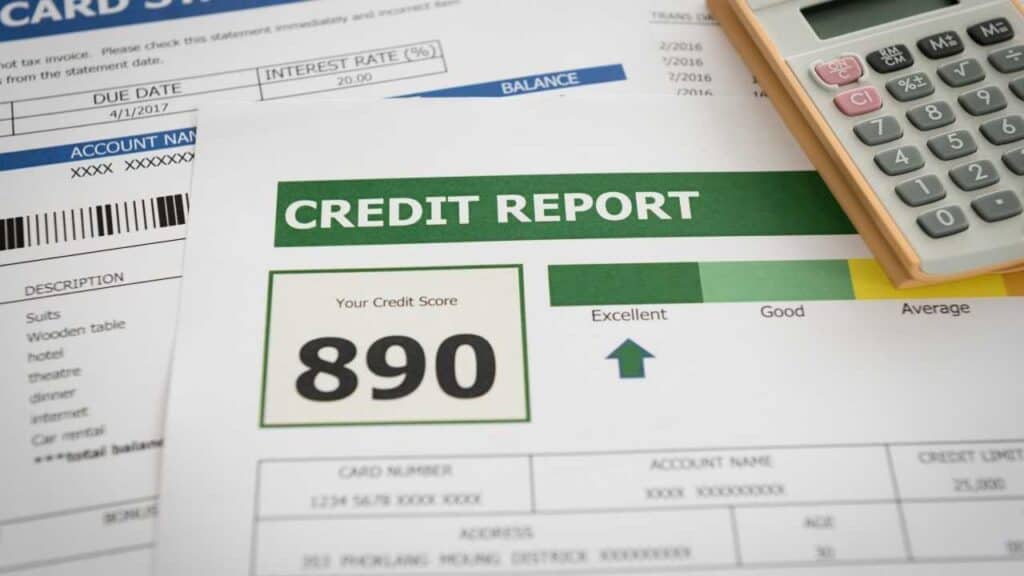
Some people won’t even care about that 3-digit number known as their credit score. It is only when they start availing credit cards, applying for housing, or even getting a personal loan that they begin worrying about it. But like all other things in life, a range of scores is considered good and bad.
What Is a Good Credit Score?
Lenders and other financial institutions can have varying standards when it comes to what is considered a good or bad credit score. Generally, a good credit score is any score that falls between 670-739. You have a very good credit standing if your score is between 740 and 799, while those with credit scores of 800 and above are considered to have excellent credit.
What Is a Bad Credit Score?
A bad credit score is anything that falls below 670. Any score between 580 and 669 are fair scores, while any score from 300-579 is considered poor. This could mean lenders view you as a high-risk borrower, leaving you with higher interest rates, even if you’re approved for a loan.
Is a 692 Credit Score Good or Bad?

Now that you know the range of scores considered good or bad, let’s look at what a 692 credit score means. A 692 credit score is still pretty good, considering the national FICO score average of 741. However, since lenders consider more than just your score when evaluating you as a borrower, it doesn’t guarantee you’ll be approved.
A 692 credit score is a good credit score, right in the middle of the credit score range. With this credit score, you will likely be able to qualify for many loans and credit products, but your interest rates may not be as competitive as those with higher scores. Remember that credit scores vary by lender, so your score may be slightly higher or lower depending on the financial institution.
Does It Make Sense To Work Your Way to a Better Score?
There are ways to improve your 692 credit score that you can take. But the question is, does it really make sense? The answer is yes.
Boosting your score can help you get access to better loans and deals and lower interest rates on your credit cards and loans. A better score also opens up other opportunities you might not have had access to.
Let’s say you are after a new apartment. Know that some lenders and landlords may look at your credit score before they decide to approve or deny you. A higher score can make it easier to find a good place to live that fits your budget.
Some employers also consider the credit scores of their applicants, especially for positions that involve handling finances. Having a higher credit score can give you an advantage over other applicants.
Even insurance companies now do credit checks before approving your application or setting the premium rates. A better credit score can lower premiums and give you more options when looking for an insurance provider.
Lastly, some utility companies do credit checks before approving you as a customer. A good score can make it easier for you to set up your utilities and get service in the future.
Therefore, it is always worth improving your credit score if you can manage to do so.

Tips for Boosting Your Credit Score
Now that you know why it’s important to have a good credit score, here are some tips that can help you boost your score:
Know what can affect your score.
One crucial detail anyone should know when trying to improve their score is to be aware of the factors that can affect it. That includes payment history, credit utilization ratio, length of credit history, new credit inquiries, and credit mix. Understanding how these factors function can assist you in taking essential measures to enhance your credit score.
- Payment History. Your credit score is most significantly influenced by your payment history, which carries a weight of 35%.
- Credit Utilization Rate. This is the percentage of your available credit that you are currently using. It accounts for up to 30% of your score.
- Credit Mix. The credit mix is an individual’s number and types of credit lines. This includes mortgages, car loans, store accounts, etc. Your credit mix makes up 10% of your credit score.
- Length of Credit History. This makes up 15% of your score. This indicates the amount of time you have been utilizing credit.
- New Credit. This is the number of new credit inquiries and accounts that you open. It makes up 10% of your score.
Pay Bills on Time and in Full
As much as possible, try not to miss any payment due dates. If you can, pay your dues in full before the due date. This way, you are not only avoiding late fees and interest charges but also showing lenders that you can manage your debts responsibly.
Keep Your Credit Card Balances Low
It’s important to keep your credit usage as low as possible. Keep your balances below 30% of the total available credit limit. This way, you can ensure that your credit utilization rate is low, which will help boost your credit score.
Monitor Your Credit Report Regularly
Checking your credit report helps you spot any errors or suspicious activities that can damage your score. It’s also a great way of keeping tabs on any changes that could have happened to your credit score. To avail of the free annual credit report, visit the Federal Trade Commission website.
Consider a “Credit Builder” Loan
Credit builder loans are specialized loan products that can help you improve your credit score. The loan amount is held in a savings account by the lender, and you can only access it once you have paid off the loan. Having this loan shows lenders that you are responsible for the debt.
Be Responsible When Applying for New Financial Products
If you want to apply for new loans or credit cards, do so responsibly. Be aware of the interest rates and fees associated with any product you’re considering. Only apply for products within your budget. Too much debt can hurt your credit score, so staying disciplined and responsible with new loans or credit cards is important.
Choose To Keep Old Accounts Open
If you have credit cards that you’re no longer using, consider keeping them open and active. This helps to increase your credit mix and length of credit history. It also reduces the number of new credit inquiries that you have, which can help boost your score.
Conclusion
It is possible to improve your credit score over time with some dedicated effort. You still have the power to take control of your 692 credit and ensure you have the best score possible. Just remember to stay disciplined, be patient and consistent, and you can watch your score grow in time.
References
Cardone, D. (2020). Credit Secrets: The Complete Guide on How to Boost Your Credit Score 100+ Points Without Credit Repair, Improve Your Financial Life, Enjoy Freedom and Independence. Available on Amazon. https://amzn.to/46ver5N
Hack, N. (2021). Credit Secrets 3 in 1: Boost Your FICO Score By 200 Points in Less Than 30 Days. Available on Amazon. https://amzn.to/3raNbsO
Moss, S. (2020). Credit Secrets: 2 books in 1 – Blast Your Credit Score Through The Roof And Repair Bad Credit By Having Everything You Need To Know Explained In Detail. Available on Amazon. https://amzn.to/3r40b3A