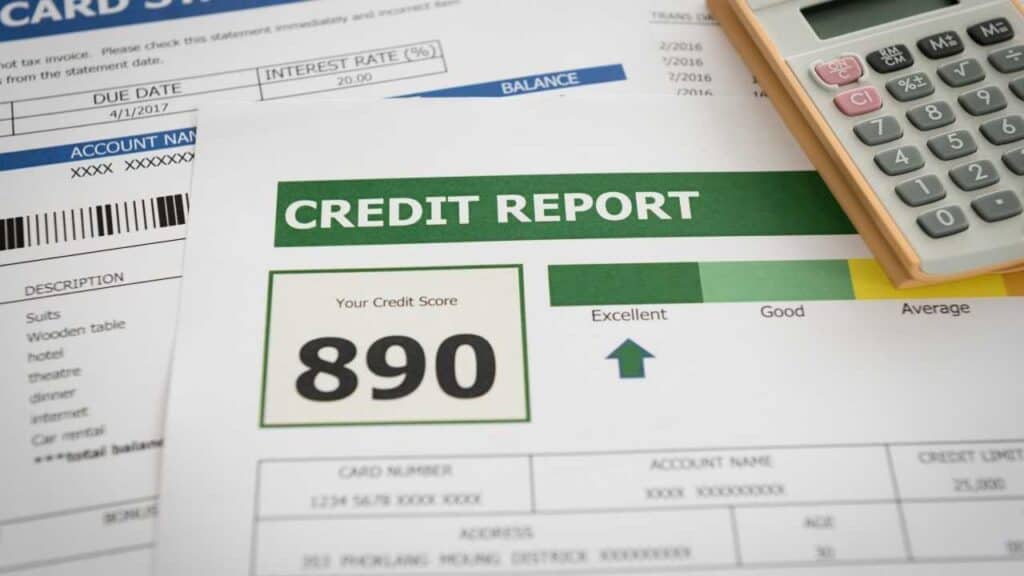
Credit scores are often seen as a measure of someone’s financial health. A 731 credit score specifically is in the very good range, but not quite excellent. This means you should have no problem getting approved for most common types of loans and credit cards.
Lenders may still look at other factors when assessing your loan application. They also check your income, debt-to-income ratio, and other financial obligations. Your credit score is just one of those factors. But despite your score being in the very good range, you may still want to take steps to maintain, if not further improve it.
Why Your Score Matters

Your credit score is important to lenders since it assesses the likelihood of you repaying the money they lend you. A higher score means a lower risk for the lender, which increases your chances of getting approved for loans and credit cards. It also opens up more doors for better loan terms and interest rates that can save you thousands in the long run.
Your Score And Employment
Did you know that employers also use your credit score when considering you for a job? They may view your score as an indication of your reliability, responsibility, and trustworthiness in handling finances. The higher your score gets, the more desirable you become as a potential job hire.
Note that not all employers will review your credit report. However, if your goal is to attain a position that requires handling money, it’s best to keep your credit score in the very good range or higher.
Renting A New Apartment
Different landlords have varying credit score requirements for prospective tenants. Landlords offering newer and modern apartments in premium locations prefer a score of 700 and above, while some may be more lenient with scores in the mid-600s.
Your Score And Insurance Premiums
Think of your credit score as a gauge of how reliable you are with money. Insurance companies may also use it to determine the cost of your insurance premiums. Remember that insurance companies run the risk of having to pay out a claim in case something bad happens, which is why they need to know that you can keep up with payments.
With a good score, you can expect better insurance rates and be eligible for other perks like a flexible payment plan. You can even inquire about getting additional discounts.
What Affects Your Score?

Are you wondering what can affect your credit score? The following are the five major factors impacting your score:
Your payment history refers to your past and current credit accounts. On-time payments of your loans, bills, and credit cards can boost your score, while late or missed payments can lower it.
The amount of debt you owe is also a factor. Maxing out your credit cards, even if you make all your payments on time, can lower your credit score. As you use more of your available credit, your score may decrease.
Note that the length of your credit history is also taken into account. Longer credit histories can help increase your score, showing lenders that you have a track record of responsible use and repayment.
Some people only prefer credit cards, while others use a mix of both credit and non-credit products. The types of accounts you keep open also affect your score.
Lastly, your credit inquiries also matter. If you request a new loan or credit card, the lender will verify your credit report through a hard inquiry, which may cause a temporary reduction in your score.

Maintaining A 731 Credit Score
A 731 credit score is already considered very good, but there are still ways you can improve it even further. Here are some tips:
Remember to pay bills before the due date.
How you handle your bills has a big impact on your score. Make sure to pay all bills before their due date so that payments are reported as on time. Setting up automatic payments is the most effective way to ensure timely payments. It would be best to pay your bills in full to avoid paying interest.
Pay off outstanding debts asap.
It’s advisable to make an effort to pay off any debts you owe as soon as you can. This can be your credit card balances and other loans you owe. Doing so can help improve your debt-to-credit ratio.
Keep old accounts open.
Closing old credit accounts may look like a good way to reduce your debt, but it can actually lower your score. This is because it shortens your credit length, which affects your score.
Limit applying for new credit.
Whenever you apply for a loan or open a new account, lenders will check your credit report, which can decrease your score. So it’s best to limit applying for new credit as much as possible.
Diversify your credit accounts.
A mix of credit accounts (credit cards, loans, etc.) can help improve your score. This is because it shows lenders that you can manage different types of credit.
Be careful when doing credit checks.
A hard inquiry is a red flag for lenders and can negatively impact your score. So always be careful when checking your credit report or applying for new accounts. It is best to only check your credit report once a year.
Dispute any errors
It is important to double-check your credit report for errors. Make sure that all reported information is accurate and up-to-date. If you find any errors, contact the relevant credit reporting agency to dispute them. Doing so can help improve your score.
Final Thoughts
Having a 731 credit score is already a big accomplishment. There are actions you can take to maintain your score in the “very good” range. By following these tips, you can maintain a high credit score and be eligible for better rates and perks when applying for loans and credit products. This also increases your chances of boosting your score further in the near future.
References
Cardone, D. (2020). Credit Secrets: The Complete Guide on How to Boost Your Credit Score 100+ Points Without Credit Repair, Improve Your Financial Life, Enjoy Freedom and Independence. Available on Amazon. https://amzn.to/46ver5N
Hack, N. (2021). Credit Secrets 3 in 1: Boost Your FICO Score By 200 Points in Less Than 30 Days. Available on Amazon. https://amzn.to/3raNbsO
Moss, S. (2020). Credit Secrets: 2 books in 1 – Blast Your Credit Score Through The Roof And Repair Bad Credit By Having Everything You Need To Know Explained In Detail. Available on Amazon. https://amzn.to/3r40b3A