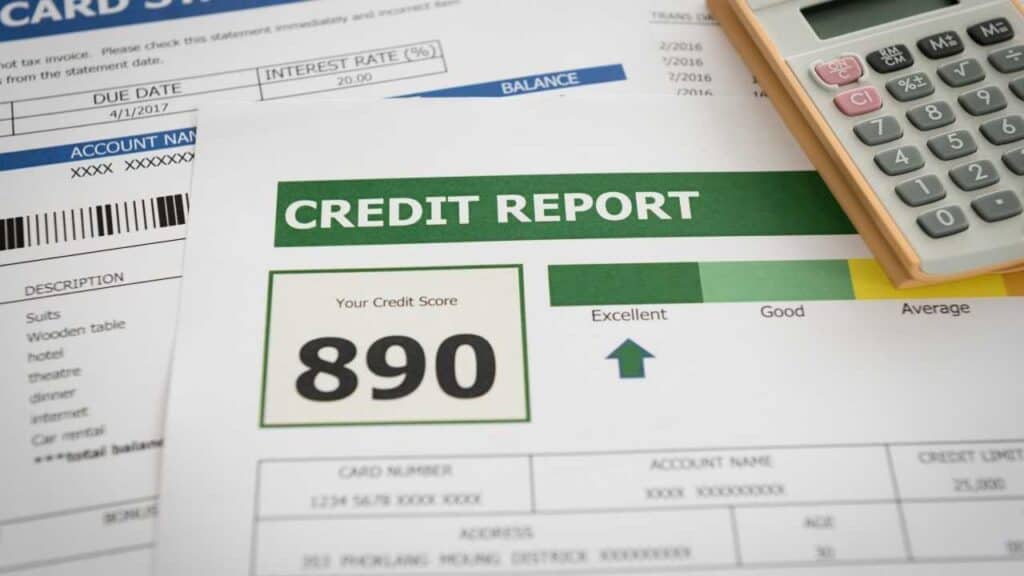
What is it like to have a 758 credit score? Well, it’s not bad—not by a long shot. To give you an idea, the average FICO Score in the U.S. is currently hovering around 700, so having a 758 credit score puts you well above that mark.
That said, your 758 credit score does leave some room for improvement. To get the best rates when you borrow money, it’s a good idea to strive for scores even higher than 758. While some lenders may offer competitive terms at this level, others may not.
What Are Credit Scores?
Credit scores are numerical summaries showcasing your creditworthiness. They help lenders decide whether or not to approve you for loans and what kind of interest rates you should get.
Credit scores range from 300 (low) to 850 (high). The higher your score, the more likely you’ll get loan approvals, better terms, and lower interest rates.
You can get your credit score from Experian, Equifax, and TransUnion. These three major companies keep track of your financial history and provide lenders with information about you.
What Impacts Credit Scores?
Five factors influencing credit scores are as follows:
1. Payment History
2. Amount Owed
3. Length of Credit History
4. Types of Credit Used
5. Recent Applications for Credit
Your payment history accounts for 35% of your score. This entails whether you pay your bills on time and in full every month. The amount owed, meanwhile, accounts for 30%. This is the total amount of credit that you have outstanding.
The length of your credit history goes into 15% of your score, while types of credit utilized make up 10%. And finally, recent applications for new credit comprise the last 10%.
Reasons You Should Care About Your Score
Credit scores are there for lots of reasons. You may already know the obvious ones, like improving your odds of loan approvals and getting the best terms from lenders.
But there are other reasons, too. For example, landlords often use credit scores to choose renters. This is to check whether they can trust you to pay your rent on time each month.
Insurance companies also check credit scores before issuing policies. This helps them decide what kind of rates to charge. The higher your score is, the higher your chances of getting a lower rate.
Is a 758 Credit Score Good or Bad?
A 758 credit score is generally considered a great score. Any score that puts you on or above the 700 mark is a good score, and with a 758 credit score, you can qualify for great rates when borrowing money.
A 758 credit score also gives you access to competitively low-interest rates on loans, mortgages, other forms of borrowing, and even insurance rates. You can also expect fewer rejections when applying for credit cards and other forms of financing. As for getting a new job or finding a new place to rent, you will have better luck with your current score.
Maintaining Your 758 Credit Score
It’s easy to maintain a 758 credit score. The best way is to keep regular, on-time payments with all your creditors and ensure you have enough emergency savings. Other things that can help you retain, and, better yet, boost your 758 credit score are with the help of the following:
Consider Your Credit Usage Rate
Your credit utilization rate is the proportion of your available credit that you’re using. It’s normally calculated as a percentage of your total available credit. For example, if you have four cards with a combined $10,000 limit and a balance of $2,500 on them, your utilization ratio is 25%.
A 758 credit score puts you in a great position when borrowing money. When you keep your utilization rate low, it will be beneficial to your credit score. Keep this ratio under 30%, but if you can get it down to 10%, even better.
Check Your Credit Report Periodically
Your credit report shows in detail all your accounts, what payments you’ve made on them, and any negative information that could harm your credit score.
Checking your report regularly helps you identify and address any errors dragging down your score. You’ll also get an idea of where you’re at financially, allowing you to make wiser decisions about managing your money.
If there are any suspicious activities on your account, you can also report them to the credit bureaus. This will alert them, so they can take necessary action and protect your credit score.
Be Mindful of Your Credit Applications
Lenders usually check your score when you apply for credit. Every time this happens, it shows up on your credit report as an inquiry. An excessive amount of requests can negatively impact your credit score and make you appear to be a higher-risk borrower.
You can limit the number of credit applications you make. This can help to keep your score from falling too much. Don’t apply for a new card or loan unless you need it.
Build Your Credit History
The longer you have a good credit history, the higher your score will likely be. Every month that passes with positive payment records will help boost your credit score.
A long credit history also helps lenders better assess your creditworthiness. So if you’re looking to take out a loan, having a long and healthy credit history will help increase your chances of getting approved.
You can also use credit-building tools, such as secured cards and loans, to help you build a good credit history. By using these tools responsibly, you can develop a strong credit score and use it to your advantage in the future.
Enjoy a Good Credit Mix
Having various credit accounts in your name also helps boost your score. This is known as having a good credit mix.
Creditors prefer to see a variety of accounts under your name, such as mortgages, student loans, and credit cards. This is because it gives them more information about how you use credit. It also shows that you can handle different types of debt responsibly and that you’re a good borrower.
As long as you stick to the practices mentioned above, you should keep your 758 credit score and get it higher over time. Good luck!
Final Thoughts
Building a healthy credit score is not an overnight process. It takes patience, discipline, and dedication. But by following the tips outlined in this article, you should be able to keep your 758 credit score and even increase it over time.
Remember, when it comes to building your credit score, consistency is key. So stay disciplined and follow these tips, and you can reap the rewards of a high credit score.