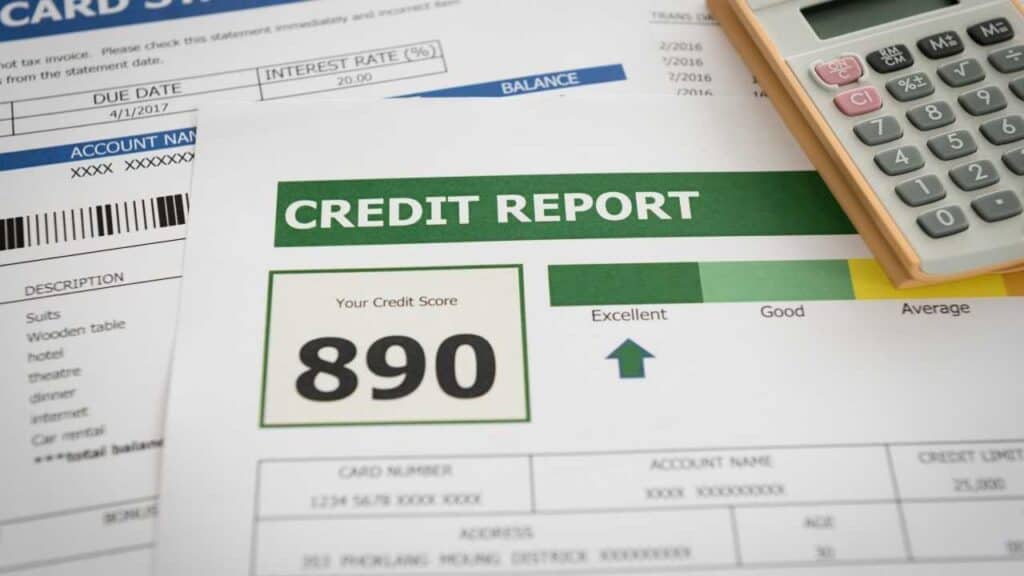
Your FICO score, often called your credit score, can significantly impact your finances. This three-digit number is what lenders use to gauge your creditworthiness. The better your score, the easier it is to get approval for a loan or credit card, and the lower your interest rates may be.
But some people fail to realize that their scores can also affect other endeavors, including their ability to get a job, find a suitable apartment, or secure a more affordable insurance rate.
You may already know your credit score after checking it through various sources. Lenders often check your score to evaluate your creditworthiness and determine how much of a loan you qualify for. This can also serve as a gauge of your financial health in general.
Some employers check the credit scores of applicants to determine their financial reliability. A good score can spell a better job offer, while a poor one can make it more difficult to land the job you seek. This is especially true with certain positions, like those in the financial sector.
Insurance companies may also use your credit score to determine how much you pay for coverage. A higher score could result in lower premiums, while a low one may mean higher rates. This means a good credit score is essential to save money on insurance.
Even landlords now check future tenants’ scores during the application process. A good score means you’re more likely to be accepted, while a low one can make it difficult to find an apartment.
But What Is a Good Credit Score?
For FICO, the most widely used scoring system, it’s anything above 670. That is considered a good score and could help you get approved for loans, credit cards, insurance policies, etc. Anything above 799 is considered to be an excellent score. It could make it easier to get the best terms and interest rates.
So, with all this in mind, what does it mean if someone has a FICO score of 785? Generally speaking, scores over 739 are considered very good, and 785 is no exception. This makes you a prime candidate for the best loans, credit cards, and more terms.
This chart will give you a better idea of what your credit score means:

Understanding Credit Scores
To fully understand how to improve your score, the first step would be to learn what can impact your score. In general, the five factors that can affect your score are as follows:
The largest factor that impacts your score is payment history, making up 35% of your overall score. This means you should always pay all bills on time—not just credit card and loan payments but utilities, rent/mortgage, and other expenses.
Next comes the amount of debt you have compared to the available credit limit. This is called credit utilization and accounts for 30% of your score. To best manage this, keep your balances below 30% of the limit for each card.
Another 15% comes from the length of your credit history. If you have been managing various accounts for a long period, that can help boost your score. Lenders can assess your creditworthiness more accurately if you have a longer credit history.
The remaining two factors making up 10% each, are the types of accounts you have and any new applications for credit or recent credit inquiries. The more diverse your credit mix is, the better it can be for your score.

Ways To Maintain a 758 Credit Score
Having a 758 score already puts you in a good spot, but there are still ways to keep it from slipping. Here are a few tips:
Keep an eye on your credit report.
Any suspicious activity should be reported as soon as possible. This could include errors in your accounts, signs of identity theft, or fraudulent accounts opened in your name.
Stick to a budget
It’s important to understand your monthly income and expenses to assess your spending patterns. Creating a budget will help you stay organized and spend your time wisely. This will help you pay any debt quicker and maintain a healthy account balance.
Make payments on time.
Late payments can drop even the highest scores significantly if left unchecked. To avoid this, set up automatic payments for due dates and stay on top of any missed bills.
Be mindful of how much you charge to each account.
Keeping credit card balances low and only charging what you can pay off each month is the best approach. Monitored spending and smart money management are the best ways to maintain a good score and keep creditors happy.
Don’t open too many accounts or apply for too much credit.
Every time you open a new account or make an application, this will leave a hard inquiry on your report. Too many hard inquiries could damage your score, so consider this when considering new credit accounts.
Avoid closing accounts
Closing an account can hurt your score, even if it’s paid off. This is because the length of your credit history is one of the factors used by lenders, and closing an account affects this. If you must close an account, do it in a way that won’t hurt your score.

Ways to Further Boost Your Score
If you are already maintaining a 758 credit score, you can still increase it further.
Here are some tips:
Increase your credit limit.
Increasing your credit limit can positively impact your credit score, but it’s important to avoid overspending. Consider having a healthy mix of credit and loan accounts you can pay off monthly.
Pay more than the minimum balance.
Paying more than just the minimum will help reduce your debt quicker and raise your score. Aim to pay off any balances before the due date to avoid late payments.
Consider professional financial help.
It may be worth seeking professional financial help if you struggle to manage your finances. A financial planner or credit counselor can provide assistance in budgeting and debt management.
Final Thoughts
Having a 758 credit score is a great start for many people. However, it’s important to maintain your score. By doing so, you can be sure that your score will stay high, and you’ll have access to the best loan and credit offers available. Remember these tips to ensure your score stays as high as possible.
References
Cardone, D. (2020). Credit Secrets: The Complete Guide on How to Boost Your Credit Score 100+ Points Without Credit Repair, Improve Your Financial Life, Enjoy Freedom and Independence. Available on Amazon. https://amzn.to/46ver5N
Hack, N. (2021). Credit Secrets 3 in 1: Boost Your FICO Score By 200 Points in Less Than 30 Days. Available on Amazon. https://amzn.to/3raNbsO
Moss, S. (2020). Credit Secrets: 2 books in 1 – Blast Your Credit Score Through The Roof And Repair Bad Credit By Having Everything You Need To Know Explained In Detail. Available on Amazon. https://amzn.to/3r40b3A