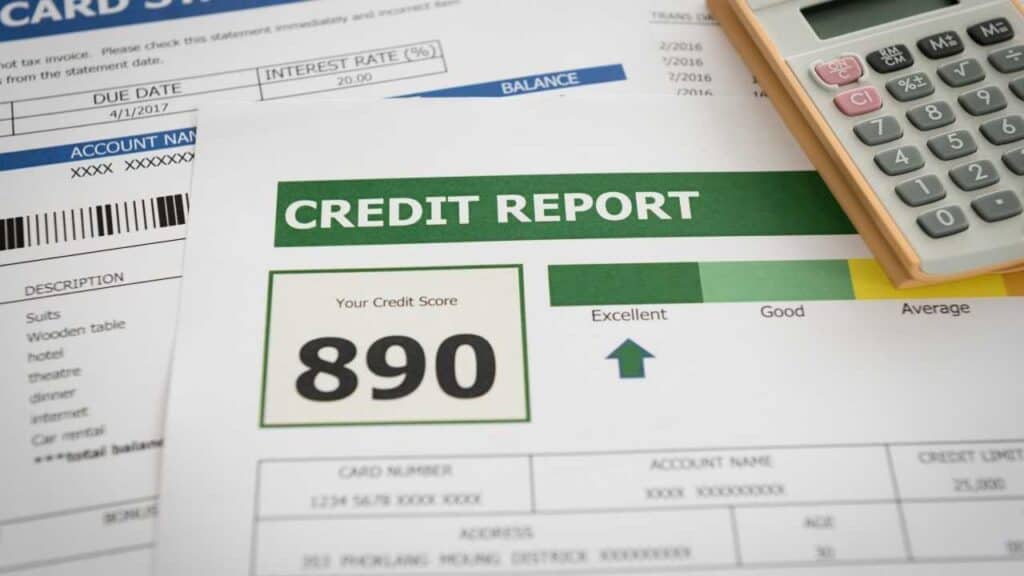
Your credit score is a critical part of your financial health. It can greatly impact whether you’ll enjoy a loan or credit card approval, as well as the interest rate you need to pay if you get approved. But what does your credit score really mean? And is 820 credit score good or bad?
Let’s take a closer look.
Understanding Credit Scores
Your credit score depends on the information in your credit reports from consumer reporting companies (Equifax, Experian, and TransUnion). By examining your credit history, lenders can judge the likelihood that you will make timely payments. A higher credit score indicates that you are less likely to default on payments.
So What Does 820 Credit Score Mean?
A typical FICO® Score range goes from 300 to 850 – with 300 being the lowest possible Score and 850 being the highest possible Score. A high credit score means you demonstrated responsible financial behavior throughout your life. On the other hand, a low one means that you may have difficulty getting approved for certain types of loans.
Generally speaking, financial institutions consider anything over 800 as an excellent credit score. Anything between 740-799 is a very good credit score.
With an 820 FICO® Score, you fall into the “very good” category – which is great! This means your chances of getting approved for a loan or credit card are quite strong. Plus, you can receive more favorable terms and interest rates than those with lower credit scores.
Other Reasons Your Credit Score Matters
You might think that your FICO score is only important for borrowing money. But that’s not the case! Your credit score can also determine things like whether you qualify for a rental apartment or get approved for certain insurance policies.
Some landlords and insurance companies will use your credit score to determine your risk level. You can get more favorable rates with a good credit score. A bad one can lead to higher premiums or even a rejection.
Did you know that your next job opportunity could depend on your credit score too? That’s right! Some employers may pull up your credit report to help them decide whether or not you’d be suitable for the job. This is especially true for those jobs that require handling money, such as finance or banking positions.
Improving Your Credit Score
Pay your bills on time and managing debt responsibly. Try setting up automatic payments so that you get all the payment dates. It also helps to track your spending so that you spend your money wisely.
Remember to pay off debt when possible. This is especially true with high-interest debt like credit card debt. Also, check your credit report regularly for any errors or discrepancies. The sooner you address these issues, the sooner they won’t negatively impact your scores!
What To Avoid for Better Credit Scores
There are several other things you should avoid if you plan on maintaining a good credit score. Keep the following tips in mind to maintain your 820 credit score, if not continuously improve it.
Don’t Close Unused Accounts
Is there a credit card you never use? Think before you close it! Unused accounts play an important role in your overall credit utilization ratio.
This ratio is the amount of credit you use compared to the amount of available credit. Closing unused accounts can actually lower your Score. This is because it reduces the total amount of available credit you have.
What you can do instead is to leave the accounts open and inactive. That way, you can avoid the temptation to use them, and your credit score can remain intact.
Avoid Applying for Too Much Credit
Lenders look at your credit report when you apply for credit cards or loans. They may also perform a hard inquiry. This is when they check your credit report and Score to determine if you’re eligible for a loan or line of credit.
If you’re planning to apply for a loan, credit card, or another type of credit, try to limit your applications. This will help avoid too many hard inquiries on your credit report.
Avoid Maxing Out Credit Cards
Maxing out your credit cards can also hurt your credit score. Your total balance should be below 30% of your available credit limit. Doing so will help you maintain a good credit score.
If you’ve already maxed out your cards, try to work on paying down the balance as soon as possible. This will help you bring your credit utilization back to a healthier level and prevent it from negatively affecting your Score.
Having an excellent or very good credit score can open up many doors when borrowing money at lower interest rates. A FICO® Score of 820 puts you firmly in the “very good” category – but there’s always room for improvement! Keeping the tips mentioned above in mind will help keep your scores in excellent standing and ensure that lenders perceive you as low-risk when it comes time to borrow money!