Good score, bad score, no score at all? Knowing your credit score should be a part of managing your finances. It can be confusing to know what’s good, bad, or somewhere in between. But fear not! We’re here to help break it down.
What and Why Does Your Credit Score Matter?
Many things can determine a person’s creditworthiness. This can be their ability to pay their bills, their debt amount, the length of their credit history, and more. This is the information that credit agencies use to determine your score.
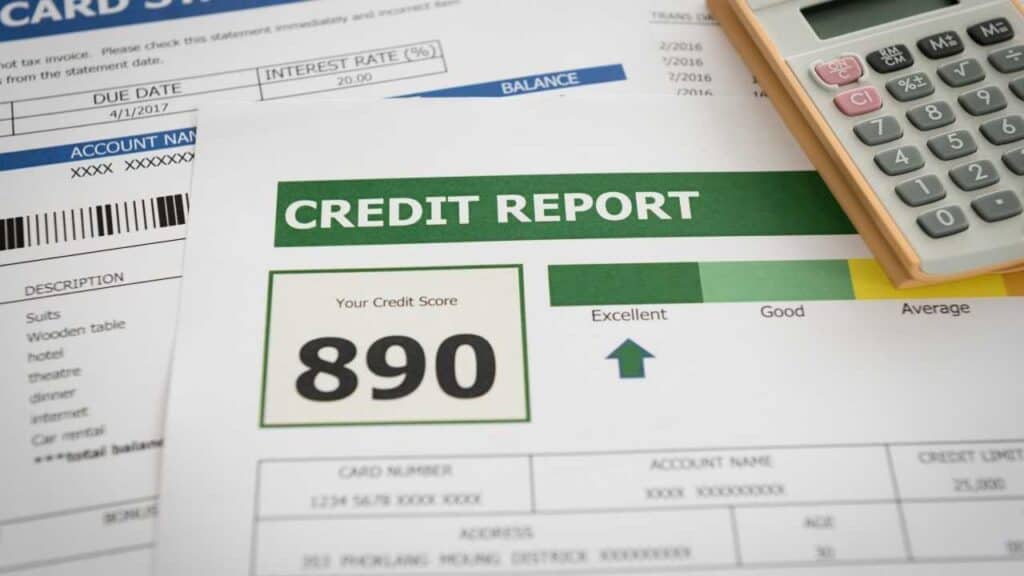
Your credit score can affect what kind of loans and credit cards you can get, as well as the interest rate you are given. This three-digit number ranges from 300 to 850 and is used by lenders to determine whether you will pay back what you owe. A good credit score can open up many doors, from buying a house to getting a good job.
Credit Scores Types
Many people are unaware that there exist various types of credit scores. The one most commonly seen is the FICO score, which goes from 300-850. When lenders assess your trustworthiness in regards to borrowing money, this is the scale they will most likely use.
Other types of credit scores include VantageScore 3.0, Experian Plus scores, and TransUnion New Account Scores 2.0. These range from 501-990, with the higher number being better.
How Do You Get Your Credit Score?
You can get your credit score through credit reporting agencies and free online services. Credit card companies may also help you receive your credit score number.
It is important to remember that different lenders may use different scoring models. It’s best to check with the particular lender you are dealing with to see which scoring models they use.
Is a 677 Credit Score Good or Bad?
According to FICO, a credit score of 677 is still a “fair” score. It’s not necessarily good or bad—it falls somewhere in the middle. A 677 is below average compared to national averages, but it’s still good enough to get approved for some loans and credit cards.
However, it’s important to remember that lenders can have their own criteria for determining creditworthiness. Some may not consider a 677 good enough, while others may view it as sufficient.
What Can You Do to Increase Your Credit Score?
First, make sure to pay all your bills and payments on time. This is important because late payments will negatively affect your score.
Second, try to reduce the amount of debt you have by paying off what you owe. Doing so will show lenders that you can manage your finances responsibly.
Check your credit report regularly to ensure accuracy and catch any errors. Doing so allows you to ensure it’s as accurate as possible.
Tips for Maintaining a Good Credit Score
If you can maintain a good credit score, there are several tips you can follow to ensure it stays that way.
- Keep your credit utilization low. This means having a low balance relative to your credit limit.
- Be mindful of any new accounts you open. Opening too many accounts can hurt your score.
- Don’t go over the limit on your credit cards. Even if you can pay off what you owe, it can still negatively impact your score.
- Limit the amount of debt you take on by avoiding unnecessary purchases. This allows you to save money, reduce debt, and maintain a good credit score.
- Avoid closing old accounts, as this can also hurt your score. One of the ways credit bureaus calculate credit scores is by taking into account your credit history. Therefore, closing an old account will result in a lower score.
Final Thoughts
A good credit score can open up many doors and give you access to better loan and credit card offers with lower interest rates. Knowing the different types of credit scores and how to maintain a good one can help you get the most out of your financial life.
Remember that while a 677 score may enable you to get approved for some loans and cards, it’s still worth striving for a higher score. With discipline and responsible financial habits, you can achieve a score that will give you the best chance of being approved.