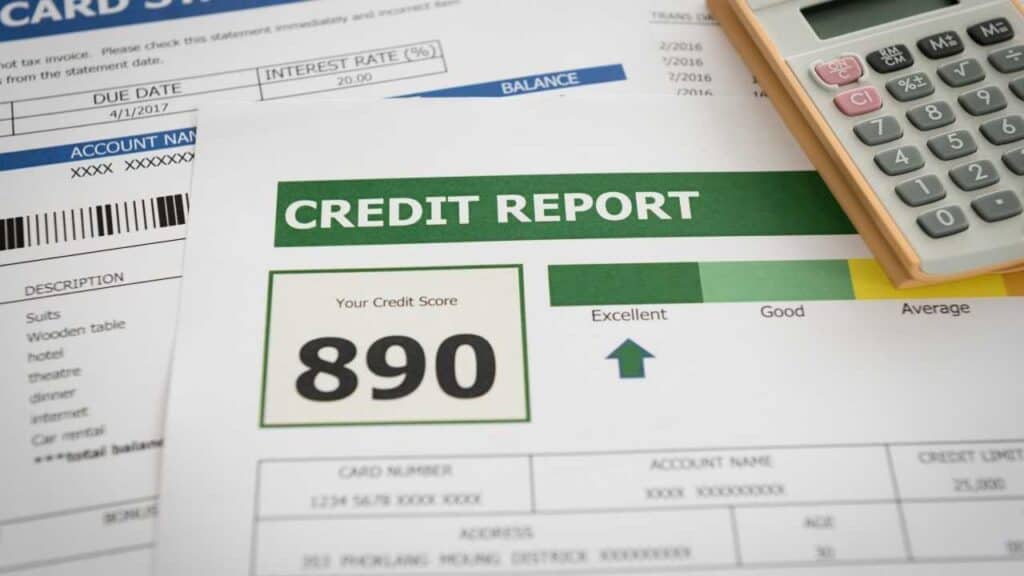
Are you looking forward to buying a new house, getting a personal loan, or a new insurance policy? If so, then one of the things you need to take into consideration is your credit score. It is important to understand what a 658 credit score means and how it can influence lenders’ decisions.
But First, What Exactly Is A Credit Score?
This three-digit number results from an algorithm that considers your past and present credit history. The higher your score, the better. Generally speaking, a good credit score is one above 670.
Not everyone has a credit score. A credit score is only assigned to individuals with at least one open line of credit reported to a credit bureau, like Experian, TransUnion, and Equifax. This is because a credit score is essentially an average of the data in your credit report that includes information such as your payment history, length of credit history, the amount of debt you have, etc.
Why Credit Scores Matter
Your credit score allow lenders to determine if you are a reliable borrower. A higher credit score means that you have proven to lenders that you can responsibly manage your finances. This could help you get better terms, like lower interest rates on loans and other financial products.
Let’s say one of your plans for this year is to make a home purchase. If you want to be successful in obtaining a mortgage, your credit score plays an integral role. The higher it is, the simpler it will be for lenders to approve your application. However, if yours falls below their expectations they may ask for additional details or paperwork prior to giving their final decision on whether they can accept or deny you loan request.
The same goes when opening a new line of credit or trying to get a better insurance policy. In these cases, the higher your credit score, the more likely you will get approved and receive better terms.
Your score also matters when applying for a job and looking for a new apartment. Most employers and landlords check applicants’ credit scores to help them decide who to hire or lease.
What Affects My Credit Score?
Your credit score is based on a set of criteria that includes factors like payment history, length of credit history, number of open accounts, amount of debt owed, and types of credit used. All these elements are reported to the three major credit bureaus in your credit report.
Payment history shows how often late or missed payments you made on your loans, credit cards, and other accounts. This makes up to 35% of the criteria for calculating your credit score. This is why it’s important to always make your payments on time.
Length of credit history measures how long you have had revolving credit accounts open. The number of open accounts is a record of the amount of debt you have outstanding at the moment. It accounts for up to 15% of your score.
The amount of debt owed, which accounts for 30% of your score, indicates your total balance. This includes the amount you already paid plus any remaining balance. This is also taken into consideration when calculating your score.
The number of open accounts and types of credit used make up to 10% the criteria for calculating your score. This is because lenders want to make sure that you are not overextending.
Finally, the types of credit used reflect your different types of creditors. Your credit mix is 10% of your score.
So What Does a 658 Credit Score Mean?
A 658 credit score is considered on the lower end of “good.” It falls in the 670-739 and could get you approved for some loan options, including mortgages, but with a higher interest rate.
Having a 658 credit score means that you have been responsible for managing your credit and paying off debt in the past. It improves from having a “fair” score of 580-669, but lenders may still require additional information before approving your loan application.
How Can I Improve My Credit Score?
The good news is that you can raise your credit score with the following steps.
1. Make all payments on time and in full every month. Remember that your payment history holds the largest weight of your score (35%).
2. Reduce the amount of debt you owe. Creditors prefer to see that you have a low debt-to-credit ratio, meaning that you owe less than you have available in credit. As much as possible, aim for 30% or lower.
3. Establish a mix of credit types, such as credit cards, loans, and lines of credit. Having different accounts open demonstrates that you can responsibly manage different types of credit.
4. Avoid opening too many new accounts at once. If you need to open a new account, pay it off on time every month. Submitting numerous applications for credit can lower your score and make potential creditors leery of approving you.
5. Check your credit report regularly. Dispute any errors or mistakes.
6. Talk to a pro. A credit counselor can be instrumental in assisting you with devising a plan to alleviate debt and raise your credit score.
Final Thoughts
You may qualify for some loan options with a 658 credit score, but you can still take steps to improve it. Keeping up with payments and reducing debt will help increase your score, giving you access to more loan options with better terms. Remember the things that can help you get a better score and use them to your advantage.