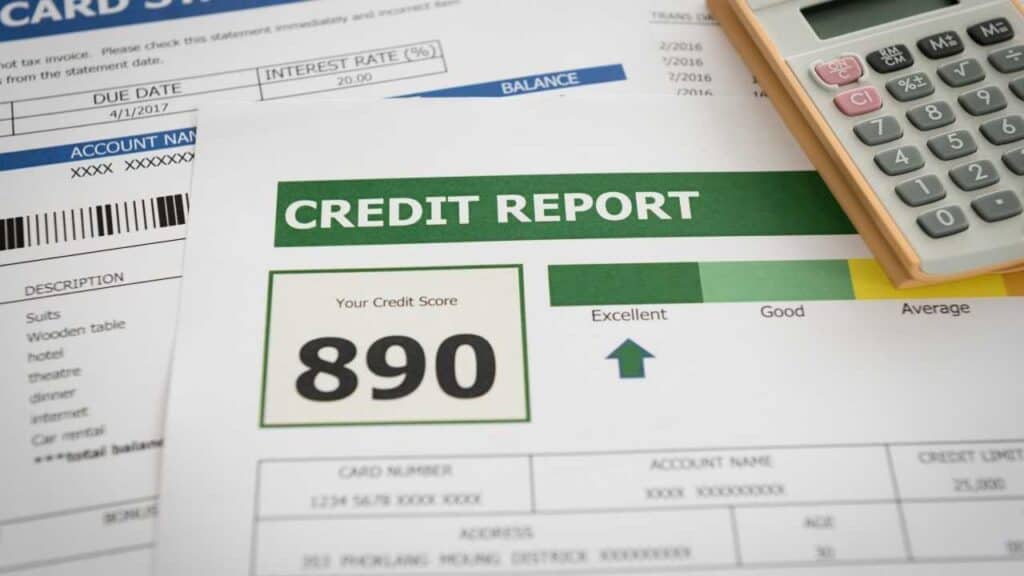
What first comes to mind when you hear the word credit score? For some people, the number 637 may be a mystery. Others may recognize it as an important rating when applying for a loan or credit card.
A 637 credit score is considered “fair” and falls right in the middle of the standard range for credit scores, which is 300 to 850. While it’s not an ideal score, it’s not terrible. It gives you access to some fairly decent credit opportunities.
Is a 637 Credit Score Good or Bad?
If your credit score is 637, there are a few things you should know. First, lenders see this as a red flag when considering applications. You may encounter higher interest rates on loans and have fewer credit card choices than someone with a higher score. That said, there are still ways to make the most of your 637 credit score.

What Do Lenders Consider a Good Enough Score?
Generally speaking, lenders consider a score of 660 or higher to be “good” enough for most credit products. If your score is below 660, you can experience difficulties getting approved for certain loans and credit cards. However, options are still available — it just might take more effort to find them.
What Affects Your Score?
Essentially, five major factors make up a credit score: payment history, length of credit history, the amount owed new credit, and types of credit in use. To get your score to a point where lenders are more likely to consider your applications favorably, you’ll need to focus on improving all five components.
Payment History (35%)
When it comes to your credit score, payment history is the most important factor. It’s essential to make at least minimum payments on time each month and avoid collection accounts. You’ll stand a better chance of increasing your score with a clean payment history.
Amount Owed (30%)
Credit utilization ratio can also impact your score. The lower the percentage of available credit you use, the better it will be for your credit score. Aim to keep your balances below 30% of your total available credit limit.
Length of Credit History (15%)
The longer you establish credit, the better your score will be. Having a long credit history will boost your score, so it’s important to build up a good track record of responsible borrowing. Pay off your balances and keep old accounts open.
Types of Credit in Use (10%)
Another important consideration is the types of credit you use. Having various accounts such as a credit card, auto loan, and mortgage can help. This shows that you’re capable of managing different types of debt responsibly.
New Credit (10%)
Finally, be mindful of applying for too much new credit at once. Opening a few accounts at once is okay, but applying for too many can be a red flag to lenders.

Why Aim For A Higher Credit Score?
A higher credit score will give you access to more loan and credit card options. You’ll have the chance to qualify for better terms, including lower interest rates and higher credit limits. Plus, having a good score can make it easier to qualify for other types of financing as well.
Let’s say you’re in the market for insurance, a new job, or even an apartment. A good credit score is often considered in these situations and can be the difference between getting what you want and being denied. With a higher credit score, you’ll easily secure these opportunities.

Improving Your 637 Credit Score
If you’re looking to improve your 637 credit score, be sure to consider these tips:
Check your credit reports.
Check for mistakes that could be bringing down your score. This could be anything from incorrect late payments to duplicate accounts. If you find any, contact the credit bureaus to get them corrected.
Pay your bills on time.
It’s essential to make all payments on time. Set up reminders for yourself or enroll in autopay, so you don’t miss any due dates.
Avoid new credit
Opening a lot of new accounts at once can hurt your score. If you need to open a new account, do so sparingly and try to pay off balances quickly.
Think diversity
It’s important to demonstrate that you can handle different types of credit. Consider opening a few accounts, such as an installment loan, credit card, and auto loan. This will show lenders that you can manage different types of debt responsibly.
Keep your balances low.
Your credit utilization ratio should be lower than 30%. Lowering your balance will help to improve this portion of your score.
Pay off debts
Don’t forget about your outstanding debt. The faster you can do this, the better it will be for your score.
Be patient
Credit scores don’t change overnight. It takes time to establish a good credit history and to improve your score. Remember that it’s a long-term process, and you should be consistent with making payments and managing your debt.
Final Thoughts
Ultimately, a 637 credit score is not ideal, but it doesn’t have to be a major roadblock. You can improve your score and take advantage of better loan and credit card terms with some effort. Don’t give up — you can get a good credit score if you focus on the right areas.