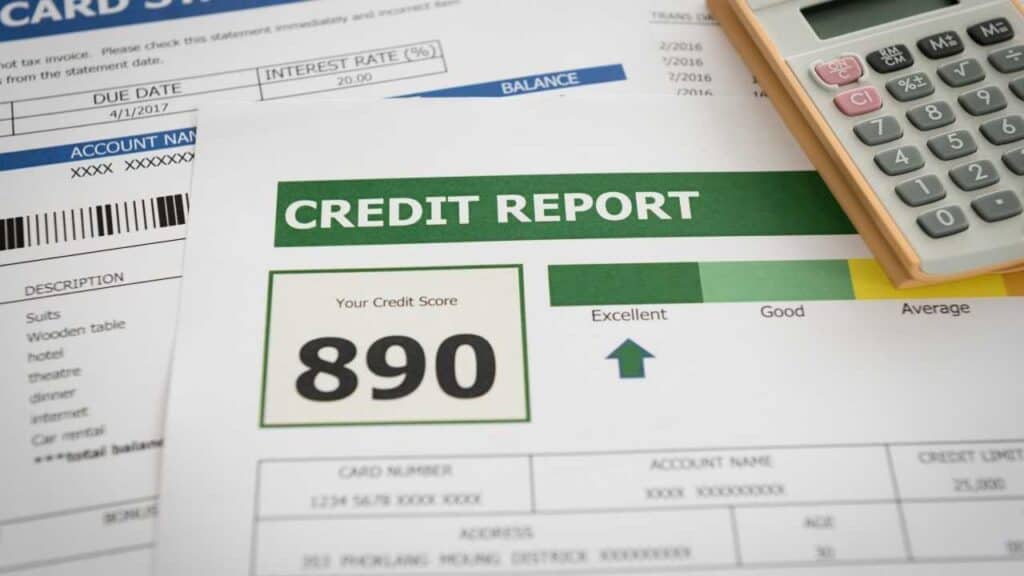
What does it take to get approved for a car, personal, or mortgage loan? Is it your ability to put in a sizable down payment? Or your employment history? In most cases, the answer is your credit score.
Lenders consider credit scores when deciding whether to approve you for a loan. Lenders use this to check if you are a responsible borrower by looking at how you’ve handled debt in the past. If your credit score is lower than what lenders consider ideal, getting approved for a loan might be harder.
So, what if you have a 697 credit score? Is it a good or bad score? Should you be worried about it? And what can you do to give it a boost? Let’s take a closer look.
What Are Credit Scores?
This is a 3-digit number that many lenders utilize to determine how likely you are to repay the debt on time. It ranges from 300-850; the higher your score, the better. Your credit score can determine if you get approved or rejected for loans, mortgages, or other forms of credit.
There are other reasons why keeping your credit score high is important. Landlords and employers often use it to decide whether or not they can trust you with rent payments or employment. Insurance companies also use it to determine the rate you will be charged for car and home insurance.
Factors Impacting Credit Scores

When it comes to credit scores, three major credit bureaus, Experian, Equifax, and TransUnion, use a FICO scoring model to calculate your score. The FICO model looks at five major factors when calculating your score.
Your Payment History
How often you make payments on time and how often you miss payments can have a big impact on your credit score. That is because payment history takes up 35% of your score. The more consistent your payment history is, the better.
Your Credit Utilization
Your credit score is affected by the amount of credit you use. Credit utilization accounts for up to 30% of your score.
Age of Credit History
Age of Credit History takes up 15% of your score. This refers to how long you’ve been using credit. Keep a longer credit history, which is considered a sign of responsibility.
Types of Credit Used
The types of credit you use make up 10% of your score. Having both revolving and installment credit is important, as they are signs of a strong financial history.
New Credit Applications
The last 10% of your score is based on the new credit applications you’ve applied for. Be careful when applying for new credit, as too many new applications can lower your credit score.
Is a 697 Credit Score Good or Bad?
If you have a credit score of 697, it is considered good. Lenders prefer borrowers that have a credit score of 700 or more. That means a credit score of 697 gives you a good chance of getting approved for a loan or mortgage.
If your credit score is 697, you are likely to receive a loan with a more advantageous interest rate compared to someone whose score falls just below the qualifying threshold. That means you could save significant money in the long run.
To make it easier to understand what score is good or bad, consider the following chart as a short guide.
This means any score higher than 669 is a good score. You need to improve your credit score if it is below 580.

Dos and Don’ts When Boosting Your 697 Credit Score
Now that you know your credit score, here are some dos and don’ts when making the most of your 697 credit score.
Be Mindful of Your Credit Utilization Rate
Be careful when using your available credit. It’s best to keep your utilization rate lower than 30%. To avoid exceeding your credit limit on a $700 credit card, make sure that your balance does not go beyond $210 at any point.
Don’t Forget To Pay Bills On Time
Paying your bills on time can help maintain or improve your credit score. Set reminders for yourself so you remember, and create a budget to stay on top of your finances.
Do Keep Old Accounts Open
You might be considering closing the accounts you no longer use, but this is not a good idea. Doing so will only reduce your available credit and decrease your credit score.
Don’t Apply for Too Many Credit Cards
The effect of too many applications will likely outweigh any rewards you get from applying for new cards. It would be best to limit your applications to 1-2 cards at a time and make sure you take advantage of all the rewards you can get from each.
Do Check Your Credit Score Regularly
Regularly checking your credit score can aid in monitoring your financial situation and ensuring that your credit score is getting better. You can do this for free with several different services, such as Credit Karma or Bankrate. Checking your score can also help you catch any errors or signs of identity theft.
Don’t Underestimate The Power of a Good Credit Mix
Having a good mix of different types of credit, such as installment and revolving, can also help you improve your score. Adopting responsible financial management of various types of credit can enhance your credibility with lenders.
Final Thoughts
Having a credit score of 697 is generally considered good. But know that you have the power to improve your score even further. By doing that, you will have access to a wider range of financial opportunities and be eligible for better loan rates.
References
Cardone, D. (2020). Credit Secrets: The Complete Guide on How to Boost Your Credit Score 100+ Points Without Credit Repair, Improve Your Financial Life, Enjoy Freedom and Independence. Available on Amazon. https://amzn.to/46ver5N
Hack, N. (2021). Credit Secrets 3 in 1: Boost Your FICO Score By 200 Points in Less Than 30 Days. Available on Amazon. https://amzn.to/3raNbsO
Moss, S. (2020). Credit Secrets: 2 books in 1 – Blast Your Credit Score Through The Roof And Repair Bad Credit By Having Everything You Need To Know Explained In Detail. Available on Amazon. https://amzn.to/3r40b3A