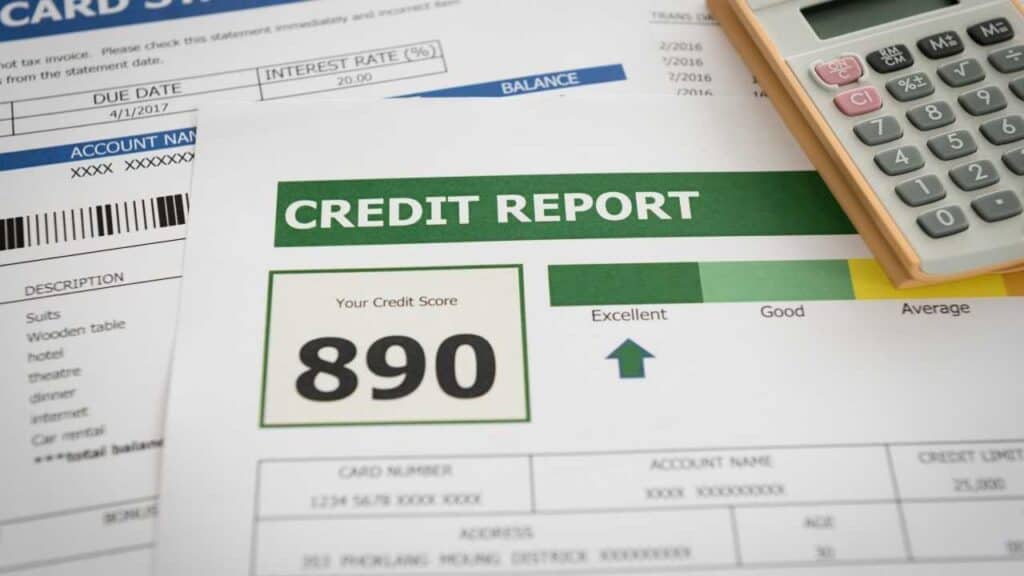
There are multiple credit-scoring models created to aid lenders in their assessments. Two reliable models, the FICO Scoring Model and VantageScore Model, a 714 credit score falls under the good credit score range.
Being in the good credit score range means lenders would categorize credit card users as acceptable clients.
| FICO Range | Category |
|---|---|
| 800-850 | Exceptional |
| 740-799 | Very Good |
| 670-739 | Good |
| 580-669 | Fair |
| 300-579 | Poor |
| VantageScore Range | Category |
|---|---|
| 781-850 | Excellent |
| 661-780 | Good |
| 601-660 | Fair |
| 500-600 | Poor |
| 300-499 | Very Poor |
With a 714 credit score, you’re most likely to experience less hassle when applying for a mortgage, a personal loan, or opening up a new account. Moreover, you most likely qualify for lesser interest rates and reasonable payment terms when applying for these types of credit.
Benefits of Having 714 Credit Score
Having a 714 credit score means you are in the mid-to-high credit rating. Though there are other factors that lenders may consider aside from your credit score, a 714 credit score does not shy away from a lot of offers and benefits.
Credit Card Qualification
Having a 714 credit score means you will likely experience less difficulty opening up new accounts. Moreover, you may enjoy different perks that come along with it. Such perks can be shopping discounts, cash-backs, or even travel and accommodation discounts.
Some credit cards also offer a 0% APR, which waives interests from purchases, bank transfers, or both during its introductory period.
Personal Loans
A 714 credit score means you can avail of a personal loan when you need one. However, be aware that it is most likely to have a higher interest rate than credit scores in the “Very Good” or “Excellent” range.
Home Loans
Since most conventional lenders require a minimum of 620 credit score for mortgages and home loans, you are most likely qualified for a home loan with a 714 credit score.
However, remember that credit score alone would not automatically guarantee that your loan would be approved. Your lender could also consider other criteria such as debt-to-income ratio or source of income.
Auto Loans
Having to travel anywhere we want without the hassle of commuting is very convenient. Fortunately, a 714 credit score also allows you to avail your vehicle.
A pre-approval letter would help you get a better rate and negotiating power in an auto loan. It shows that a lender reviewed your credit score and your credit report. It also shows how much loan amount and interest rate you’ll likely receive.
The pre-approval usually takes less than 24 hours upon submitting your requirements and can be valid for up to 60 days.
As owning cars can be a considerable investment, properly canvass first before deciding what car to loan.
In addition, as there are a lot of car deals available, you could first start checking at online lenders, credit unions, or banks before checking on car dealerships. The first three would most likely have lower rates than car dealerships.
Items Your Lender May Check Before Approving Your Loan
A credit score isn’t the only thing lenders check to see if you’re qualified for a loan. They have to be confident enough that they could trust you in doing your part (of paying back) after providing you their services.
Lenders may check the following items, so it’s best to prepare on these:
Collateral Value
Collaterals are items or property you own that you would have to give to the bank or lender if you cannot pay your loan.
It is essential in home loans which is why lenders make sure that you can only avail yourself of an amount equal to the price of your current home.
Debt-to-Income Ratio
The debt-to-income ratio is simply the amount of your monthly debt divided by your monthly income. Lenders favor a low debt-to-income ratio of less than 43%.
A low debt-to-income ratio ensures that you spend within your means and will most likely pay on time.
Down Payment
Lenders also check the sum of the down payment you plan to provide. A higher down payment means the smaller the amount you would need to borrow.
A smaller amount means less risk for lenders and would give them more confidence that you would be able to pay the borrowed amount without difficulty.
Some lenders do not require a down payment, but you should expect a higher interest rate to compensate for it.
Income and employment status
Lenders may not be confident enough to provide you with a loan if you do not have a stable employment history.
Moreover, people who are newly on their job may have better chances of getting approved after staying employed for a while.
Liquid Assets
These assets can either be your savings or something easily converted to cash.
These assets assure lenders that you still have something you could use to pay them if you experience a minor setback. Some of these setbacks may be hospitalization or sudden unemployment.
Loan Term
You can pick between short-term and long-term payments when applying for a loan.
Lenders prefer short-term payments because your financial stability doesn’t usually change in two years or less.
A 10-year loan term, however, can be challenging to predict. A lot can happen between this period, and it doesn’t always go for the better.
Though a higher loan term would give you enough time to pay, it also means higher interest rates. With this in mind, you should carefully plan for a loan term that’s right for you.
With these additional factors, you would observe that even if two persons have the same credit score, their offers will still have different rates and terms.
Moreover, you wouldn’t know what credit-scoring model or bureau’s data a lender uses for their services.
Currently, the most reliable models are VantageScore and FICO. In addition, lenders could get your credit report from Equifax, Experian, or TransUnion.
With these models and bureau data, lenders can mix and match. You might find yourself disapproved of some lenders but approved on some.
To save yourself from multiple hard inquiries that could affect your credit score, improving your credit score would help.
Ways to Improve your 714 Credit Score
Having an acceptable credit score already has all the good it offers, but having a higher credit score opens more perks to enjoy.
Evaluate your credit report
It is best to regularly check your credit report for any negative items that may harm your credit score. Understand what these negative items are (such as late payments) and make sure to prevent them from happening again in the future.
Control impulsive spending habits
Observe your spending habits and make sure that your expenses are less than your income. The best tip to increase your credit card score is to maintain your credit utilization ratio below 30%.
Instead of maxing out your credit card, only spend 30% of your maximum credit.
Pay on time
Keep track of all your loans and mortgages to ensure no payment errors and that all items are getting paid on time.
Yes, it sounds simple, but paying your credit on time (or early!) can significantly impact your credit score. So make sure to be consistent about it.
Settle your debts
Make sure to settle any overdue debts as soon as possible. Some of these records stay on your credit card report for up to seven years, but you can make more positive items on your credit report after you settle it.
Lenders look more on your latest payment records, so make sure to prevent any negative items on your report moving forward.
Lengthen Your Credit History
Taking up to 15% of your credit score, a clean credit history might be the push you need to increase your credit score.
It might take a while to establish, especially for newly created accounts. But by utilizing your credit carefully and ensuring that there are no late payments, your credit score will most likely increase in due time.
Have an Aged Revolving Credit Card
To further increase your credit score, properly utilize your credit through revolving credit (credit cards) and installment loans (auto loans and mortgages).
Letting lenders know you can juggle multiple accounts could make them confident to offer you better rates. However, since the credit mix has a lesser impact on your credit score (about 10%), you shouldn’t use your credit if you don’t really need it.
Conclusion
Having a 714 credit score makes you qualified for a list of loans that you may need in the future. However, aside from your credit score, other factors are checked by lenders to ensure you are qualified for the loan.
If you think you are ready for these additional factors getting checked, increasing your credit score would be the next thing to work on. While your credit score improves, your interest rates could lower, and offers would get better!