These days, most people use some credit to pay for their needs and wants. Many have at least one credit card or a loan from the bank. Credit isn’t just a tool for making purchases – it also affects your overall financial standing and credit score.
What’s in a Credit Score?
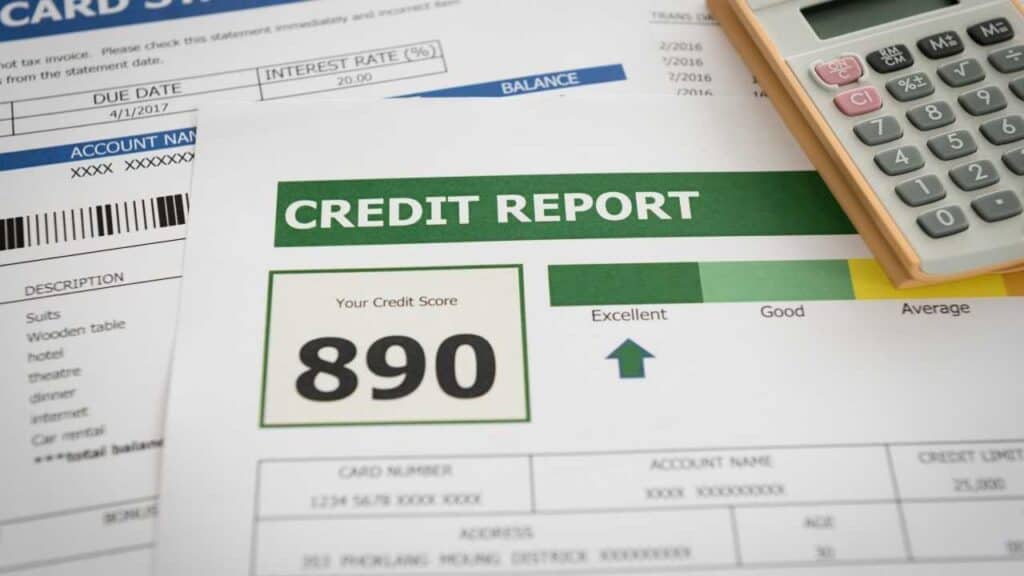
This is an important number that lenders use to measure your creditworthiness. They use this to determine if you’re worthy of being approved for loans or cards. The most widely-used credit score is the FICO score, ranging from 300 to 850.
How Your Credit Score Can Change Your Life
While everyone who uses credit knows their credit score is important, they may not know how it can affect their lives. A strong credit score can help you acquire loans and other financial solutions with the most favorable interest rates around. A bad credit score can drastically increase your chances of being denied or paying higher interest rates.
Some get surprised after learning that their credit scores can affect their insurance premiums. A poor credit score may affect how much you pay for your car, life, and other insurance policies.
Even your job applications can be affected by your credit score. Employers may use it to determine if you’re a reliable and responsible person or are more likely to be unreliable or irresponsible. This usually applies to positions that involve handling money or confidential information.
Lastly, your score matters if you plan on moving to a new home. Landlords may look into your credit score to determine if you’re financially stable and responsible enough to pay rent on time. This is true for apartment rentals and home mortgages.
What Credit Score Is Good?
Generally, any credit score between 670 and 739 is a good score. A score at or above 700 means you have a strong credit history and are likely to be approved for a loan with good terms. A score of 739 or higher is even better and signifies that you have an excellent credit history.
What Credit Score Is Bad?
A credit score below 670 is considered bad. A score between 630 and 669 is considered fair, while a score of 629 is considered very poor. If your credit score is under 630, it’s highly recommended that you take steps to improve it.
So What Does a 711 Credit Score Mean?
A 711 credit score means that you have a good credit score. This means that you have been managing your finances responsibly. Many lenders think of consumers with a 711 credit score as ideal borrowers.
With a 711 credit score, you’ll likely enjoy loan and credit card approvals with competitive interest rates. You can also expect low-interest rates on mortgages, auto loans, other forms of financing, and insurance policies. Finding a place to live and getting a job shouldn’t be a problem either.
Maintaining Your 711 Credit Score
If you have a 711 credit score, the best way to ensure it stays that way is by maintaining good credit habits. You can do this with the help of the following tips:
• Make timely payments. Your payment history makes up 35% of your credit score. So, always make sure to pay bills and loans on time.
• Don’t close old credit cards. This is because your credit history makes up 15% of your score. Keeping an old card open shows lenders that you’re responsible with credit and can manage multiple accounts.
• Avoid opening too many credit cards at once. New accounts can affect your credit utilization rate, which makes up 30% of your score. Having too many credit cards can lower your score.
• Monitor your credit report regularly. You should check for errors and make sure that all the information is accurate.
Improving Your 711 Credit Score
If your goal is to improve your credit score and get it as high as possible, consider the following tips:
• Pay more than the minimum amount due. If you only pay the minimum amount due, it will take longer to pay off debt and lower your credit utilization rate.
• Consider consolidating debt. This will help you manage multiple payments in one place and free up more of your monthly income.
• Utilize a mix of credit types. A mix of revolving accounts (credit cards) and installment accounts (auto loans, mortgages, etc.) can help you build a better credit profile. Know that your credit mix accounts for 10% of your score.
• Keep balance low on revolving accounts. This will help you keep your credit utilization ratio low, which can positively affect your score. If, for example, you have a credit card with a $2,000 limit, try not to go over 30% of the limit or $600.
Conclusion
A 711 credit score is already a good credit score. This puts you in a great position and can help you qualify for loans, credit cards, and mortgages with competitive interest rates. To maintain your 711 score or get it even higher, practice good credit habits and monitor your credit report regularly. With the right strategies, you can ensure your score continues to rise and remain in a strong financial position.