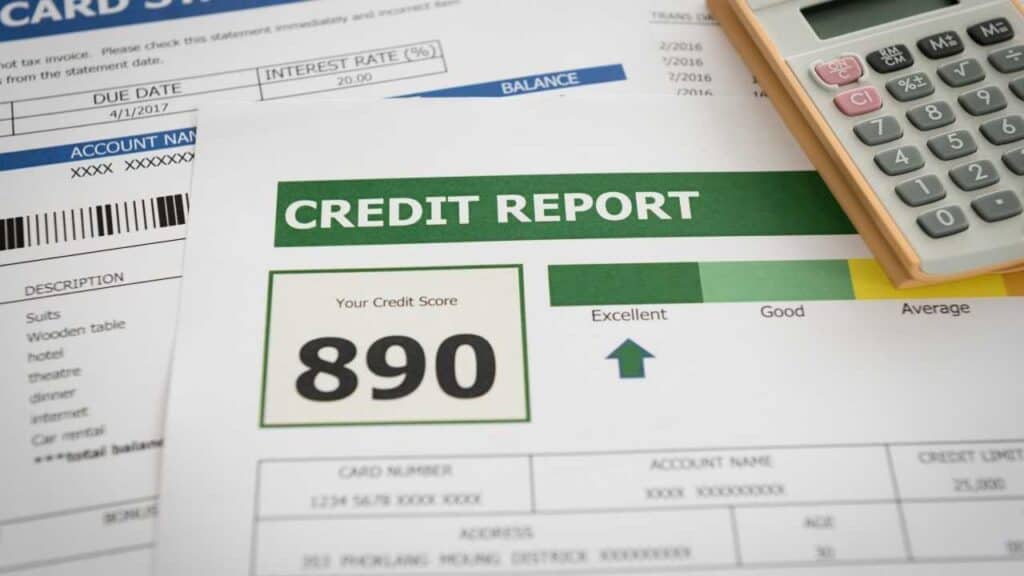
Your credit score can play a crucial role in achieving certain life goals. Many would use it to apply for a loan, mortgage, or credit card. It can also influence your ability to find a new home to rent, get your dream job, or buy the right insurance. That’s how important it is to determine what your credit score means and whether it is good or bad.
But what exactly does a credit score entail? Is a 746 good enough? And how can you maintain your score?
What Is A Credit Score?
Those 3-digit numbers that reflect on your creditworthiness are known as credit scores. If you need to figure out your current credit score, you can easily check it for free with your credit card issuer or bank. It is calculated by taking into account multiple factors such as debt-to-income ratio, length of credit history, and payment history.
Why Credit Scores Matter
Some people believe that all kinds of debt are bad. After all, too much debt under your name can result in huge payments. But the truth is, having debt doesn’t mean you’re a bad person, and it doesn’t automatically hurt your credit score, either.
Your credit score indicates how lenders view you when applying for loans or any other type of financial product. A good credit score will give you access to better terms, lower interest rates, and even rewards points. On the other hand, bad credit makes it hard to get approved for loans or any financial product.
People use credit to build their credit and manage their finances. A good credit score can aid you in building financial security. You can even use your good score to acquire better rates for loans and other financial products.
Aside from these, your score can impact other areas of your life. Your career, for instance, can be affected by your credit score. If you wish to work for an institution that requires credit checks, having a good score can boost your chances of getting hired.
Landlords can also check your credit score. These days, most landlords require a minimum credit score to be able to rent a property. So if you’re planning on moving into a new home, ensure your credit score is in good standing.
Lastly, insurance companies evaluate your credit score before providing a quote for any coverage. Good credit scores usually get you lower premiums than those with bad ones.
What Can Influence Your Score?
Five major factors can affect your credit score. These are payment history, amount of debt, length of credit history, credit types used, and new credit accounts.
Payment History
Your payment history refers to the timeliness and number of payments you make on your credit accounts. Pay your bills on time, as this will reflect in your credit history and impact your credit score. Note that payment history makes up 1/3 or 35% of your score.
Amount of Debt
Also known as credit utilization, this component refers to the amount of debt you have concerning your credit limit. The debt you owe can make up to 30% of your score.
Length of Credit History
This factor accounts for 15% of your score. This factor looks into the number of years you have had your credit accounts. The longer you have had an account, the better, as it adds to your credit history.
Types of Credit Used
It also makes sense to use different types of credit accounts. These can be a mix of revolving credit, like credit cards and lines of credit, and installment loans, including home loans and auto loans. This factor accounts for 10% of your score.
New Credit Accounts
This factor makes up 10% of your score. Be cautious when opening new credit accounts, as this can lower your score.
Is a 746 Credit Score Good or Bad?
Generally, a good credit score should range from 660 to 739, while an excellent one is anything between 740 and 850. A 746 falls within the limits of a good credit score. This means that you have solid creditworthiness, and lenders will consider approving your loan or credit card applications. You also have a high chance of qualifying for rewards points and lower interest rates.
Maintaining Your 746 Credit Score
Keeping your score in good standing requires discipline. It’s all about spending responsibly and following a few best practices:
Think about timely bills payment.
Your bills should always be paid on time, as this makes up 35% of your score. Setting up automatic payments can help keep track and ensure you don’t miss any due dates.
Avoid going beyond the credit limit.
It’s essential to keep your debt levels low with your credit limit. Try to keep your utilization rate at around 30% or less. For instance, you have a combined credit limit of $5,000. Your total balance should not exceed $1,500.
Manage credit applications wisely.
Opening too many new accounts rapidly can cause your score to drop significantly. If you need to apply for a loan or credit card, compare different offers and choose the one that best suits your needs.
Only use credit when necessary.
Using too many types of credit can be damaging to your score. Use credit only when necessary and pay in full monthly if you can.
Keep an eye on your credit history.
Finally, it’s important to monitor your credit score regularly. This allows you to take the necessary steps to maintain your 746 scores and even increase it if possible.
Final Thoughts
A 746 credit score is considered good, putting you in a favorable position as lenders will likely approve your loan or credit card applications. Maintaining this score requires effort, discipline, and knowledge. Make sure to follow the best practices mentioned above to keep track of your credit history and make the most out of your score. Doing so will benefit you in the long run and is a critical step to financial stability.