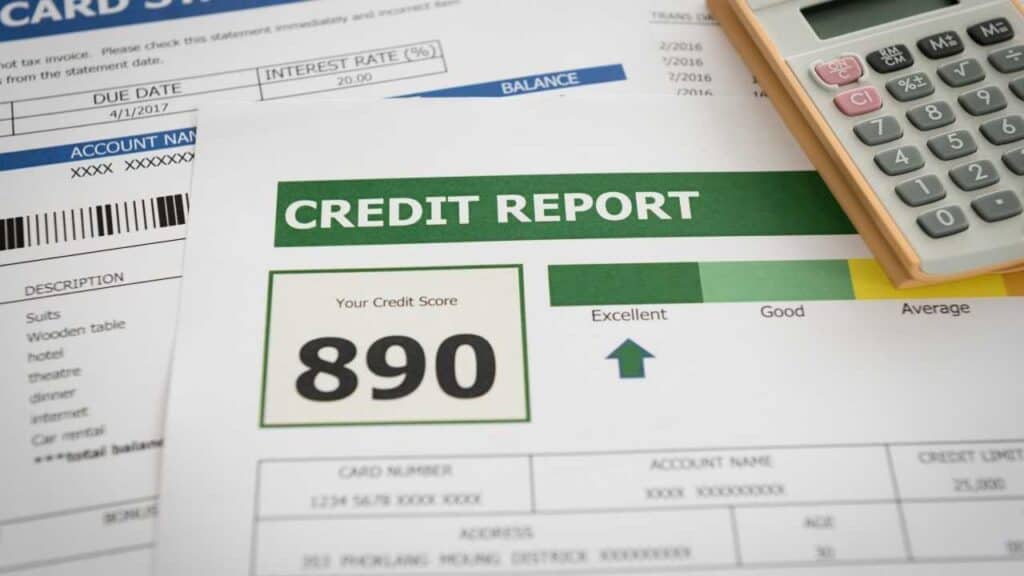
When you’re out looking for a new house to buy or financing a new car, lenders will be looking at your credit score. What is a 748 credit score? Well, it’s not the highest, but it isn’t the lowest either.
Knowing your credit score, what it entails, and how it affects your loan eligibility can help you make better-informed decisions, so let’s look at the details.
What Is a Credit Score?
This is a three-digit number that represents your creditworthiness. It ranges from 300-850. Financial institutions calculate your credit score using data from your credit report, such as:
- Payment history
- Credit utilization ratio
- Account age and types
- Credit inquiries
- Public records
Payment history makes up to 35% of your score, credit utilization ratio is 30%, and account age is 15%. Your payment history shows how you’ve handled credit accounts by paying off what you owe when it is due. Your account age refers to how long you’ve had a credit account, while your account age shows how long you’ve been a customer of the account.
Your credit utilization ratio tells lenders about how much of your total credit limit you’ve used up. Higher utilization ratios will make lenders think you rely too heavily on credit and might not be able to handle it anymore.
Public records and credit inquiries provide information about your creditworthiness, too, with credit inquiries making up to 10% of your credit score. Credit inquiries (10%) show how actively you’re seeking out new credit accounts and lines of credits, which lenders take into account when making decisions about
What’s a Credit Score For?
Lenders check your credit score to determine your eligibility for a loan, mortgage, or line of credit. The higher the number, the better chance you have of getting approved. But did you know that there’s more to your credit score than loan eligibility?
Your credit score can determine whether or not you’re approved for a credit card. This is because lenders want to know that you’re responsible for your finances and credit. A higher score can mean lower interest rates, which means more money in your pocket over time.
Your score can even affect your ability to get a job, the rates for rental properties, and the cost of insurance. For one, some companies check your score when you apply for a job to see how responsible you are with money. This is especially true with positions that handle cash or company credit cards.
Certain landlords also check potential tenants’ credit scores. If your score is low, they may think you’re less likely to pay rent on time or keep up with the lease. While some will accept your application, others may deny it or simply ask for a higher security deposit.
In terms of insurance, some companies may charge you more if your credit score is low. This is because those with lower scores are seen as more of a risk.
Is a 748 Credit Score Good or Bad?
A credit score of 748 is considered to be good. With such a credit score, you will likely be approved for most loans and credit cards. You may also benefit from lower interest rates, saving you money in the long run.
A 748 credit score also puts you in a good position to negotiate and get better deals on loans, mortgages, and other financial services. It’s important to remember that a credit score of 748 is not the highest, but it certainly isn’t the lowest either.
Tips for Maintaining and Improving a Good Credit Score
Keeping a good credit score is achievable by understanding your rating and managing your finances sensibly. Here are some pointers to help you do that:
Always Be on Time When Paying Bills
Your payment history is the largest component of your credit score. This means you must pay all bills on time. This involves paying your credit cards, loans, and other debts.
Not only should you pay on time, but you also make sure to pay the full amount due. If you can’t make full payments, try to pay at least the minimum.
Setting up reminders for yourself can help you stay on track. You can also make your life easier by setting up automatic payments. This helps ensure that bills are paid on time each month without fail.
Keep an Eye on Your Credit Utilization
Are you aware of your credit utilization ratio? It’s the fraction between how much available credit you’re using and what is accessible to you. Be wary of this ratio, as lenders may negatively view a high utilization rate.
Aim to keep your credit utilization around 30% or less. You can do this by paying off debt, increasing your credit limit, or both.
Monitor Your Credit Report
Your credit report shows lenders a detailed history of your financial activity. Make sure to check it regularly for any inaccuracies or fraud. You have the right to get a complimentary credit report copy each year from all three major credit bureaus.
Say Yes To Diversifying Your Credit
Having various types of loans and credit accounts can be beneficial for your score. This is because it shows lenders that you can responsibly manage multiple forms of debt.
These can include a credit card, auto loan, mortgage, and more. Just make sure you only use what you can afford and make all payments on time.
It Won’t Hurt To Ask for Help From the Pros
If you need help staying on top of your credit, it may be a good idea to get help from professionals. Credit counselors are an invaluable resource for those looking to improve their financial situation. They can help you evaluate your current state, design a budget that works best for you, and constructively increase your credit score.
Avoid Closing Unused Card Accounts
Closing out old credit cards doesn’t necessarily increase your credit score. It can actually lower it. Closing out accounts reduces your overall available credit, which can hurt your utilization ratio.
If you don’t want to use a card, leave it open. This way, you’ll have access to the credit limit and won’t lose any points on your score.
Maintaining a good credit score is important if you want access to the best lending options. With these tips in mind, you can keep your score in a good place and benefit from better interest rates in the long run.
Final Thoughts
Ultimately, a 748 credit score is good. With this score, you can have access to a variety of loans and credit cards, as well as take advantage of better deals. Be sure to keep up with your payments and monitor your credit to maintain a good score. Good luck!