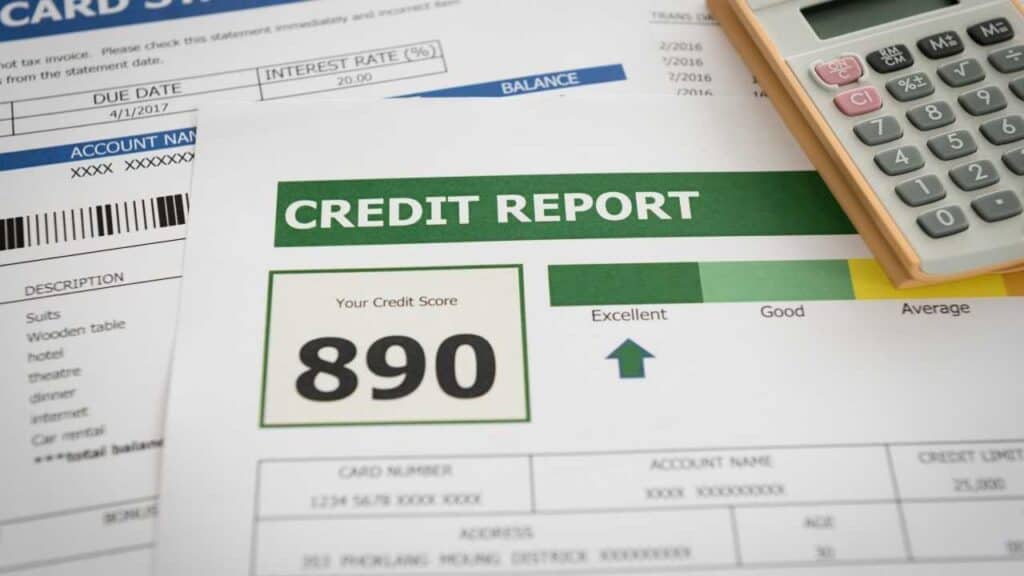
There are people who associate the number 666 with something sinister, but that isn’t the case when it comes to your credit score. A 666 credit score is neither good nor bad—it’s actually considered fair and falls right in the middle of the average range.
Getting To Know Credit Scores
Credit scores are 3-digit numbers that range between 300 and 850. They are calculated using information from a consumer’s credit reports, which contain details about their loans and lines of credit. Credit bureaus like Experian, Equifax, and TransUnion each provide their own methods for calculating a score.
There are five factors that influence credit scores: payment history, amount of debt owed, length of credit history, types of accounts owned, and recent applications for new credit. Each of these factors is weighed differently depending on the specific credit scoring system.
The current average credit score in the United States is 714. Anything below 670 is considered fair, and anything above 799 is excellent. Scores that fall between 580 and 669 are considered fair and will give you access to most credit products but with higher interest rates.
Is a 666 Credit Score Good or Bad?

If you have a 666 credit score, it’s important to understand that this isn’t the end of the world. It’s still possible to get approved for loans and other credit products, but you might be faced with higher interest rates or other forms of unfavorable terms.
Remember that credit scores fluctuate over time. For example, if you have had a few late payments in the past, your score will drop initially. But if you continue to make timely payments and reduce your debt, your credit score should gradually increase.
Why Consider Improving Your 666 Credit Score
You may already enjoy access to some credit products with your 666 credit score, but it could be beneficial to improve your score over time. When you have a higher credit score, it can open up more opportunities for competitive rates on loans and other financial products.
Did you know? Nowadays, insurance companies, landlords, as well as employers are increasingly using credit scores to determine who they will or won’t do business with.
When buying insurance, having a good credit score can help you secure lower premiums. A lower credit score could result in you being charged significantly higher premiums.
A high credit score can also be helpful when it comes to renting an apartment. Landlords now often check applicants’ credit scores to ensure they’re responsible renters. A low score could put you at a disadvantage when compared to other applicants.
Even companies now check your credit score prior to offering you a job. An employer may be concerned about the financial risks of hiring someone with a low score. If you are after a position that requires financial responsibility, having a decent credit score can work in your favor.

Tips for Boosting Credit Scores
There are certain habits to adopt, so you can improve your score. By changing the way you use credit and taking a few simple steps, you can be on your way to improving your 666 credit score.
Check your credit report regularly.
There are times when errors occur on a credit report, which can damage your score. Checking your credit report for any mistakes and taking prompt action to dispute them is an important part of credit maintenance. Just make sure you are checking your credit report with a reputable provider and that you only do this once every 12 months.
Pay off your debts on time.
A key factor in determining credit scores is payment history. Timely debt payments are crucial for boosting your score. If you are having difficulties paying your debts in full, try to pay as much as you can and aim to make all payments on or before their due date.
Reduce your monthly debt load.
If you are carrying too much debt, it can drag down your credit score. Consider paying off some of your smaller debts or looking into consolidating your debt to help reduce your monthly payments.
Develop budgeting and spending habits.
Sticking to a set budget is a great way to keep track of your finances and limit unnecessary spending. This way, you can stay on top of payments and make sure you are using credit responsibly.
Take extra care when opening accounts.
It’s important to remember that when you open and close credit cards or other loan accounts, it can have an effect on your score. To avoid hurting your credit score, it’s best to be selective when opening and closing accounts.
Before opening new accounts, make sure you understand the terms and conditions. This includes how closing an account may affect your credit score. It is a good idea to diversify your credit products with a mix of secured and unsecured accounts. Doing so can help you build a healthy credit history.
Reconsider closing existing accounts.
Closing an account or two can help to reduce your debt, but it may not be the best move for your credit score. This is because the length of your credit history can affect your score. It’s best to think twice before closing any existing accounts to avoid any negative effects.
Know that when you close an account, the balance associated with it will be added to your total credit utilization ratio. This can hurt your score if it pushes you over the recommended 30% utilization rate.
Consider a healthy credit mix.
Fostering a variety of credit types, such as revolving, installment, and open accounts, can be beneficial for your score. However, it’s important to make sure you are not taking on debt you can’t afford.
Final Thoughts
This goes to show that while a 666 credit score is a fair score, it would still be best to work on improving it. Doing so will allow you to enjoy more financial opportunities and open doors that might otherwise be closed. By taking the right steps, you can easily boost your credit score and get on the pathway to financial success.
References
Cardone, D. (2020). Credit Secrets: The Complete Guide on How to Boost Your Credit Score 100+ Points Without Credit Repair, Improve Your Financial Life, Enjoy Freedom and Independence. Available on Amazon. https://amzn.to/46ver5N
Hack, N. (2021). Credit Secrets 3 in 1: Boost Your FICO Score By 200 Points in Less Than 30 Days. Available on Amazon. https://amzn.to/3raNbsO
Moss, S. (2020). Credit Secrets: 2 books in 1 – Blast Your Credit Score Through The Roof And Repair Bad Credit By Having Everything You Need To Know Explained In Detail. Available on Amazon. https://amzn.to/3r40b3A