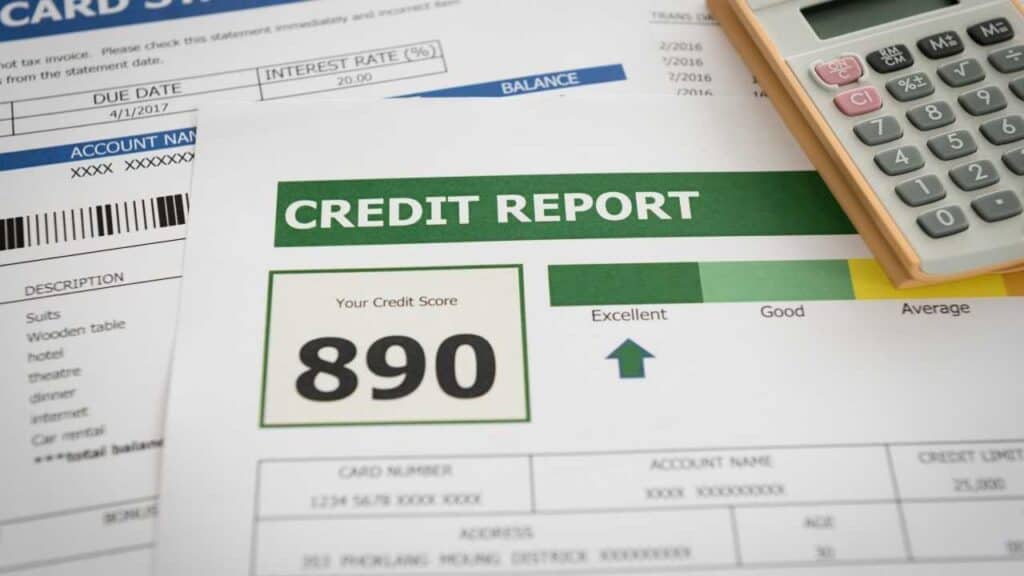
When applying for a mortgage, opening a credit card, or buying an insurance policy, one of the standard requirements includes a credit score. This is a numerical representation of your creditworthiness based on your consumer credit report information. It generally falls between 300 and 850.
Your credit score determines the interest rates you’ll pay on your loans and the credit limit offered by lenders. They use your credit score to check your ability and likelihood to repay your debts. If your credit score is low, lenders consider you a high risk borrower and assign a higher interest rate to your loan.
Other Reasons Why Your Score Matter
Think that credit scores are only important when applying for a loan? Think again! Aside from credit card and loan applications, your score also affects the insurance rates you’ll pay. Insurance companies use credit scores to determine premiums to charge policyholders.
Employers nowadays also consider credit score checks before hiring a new employee. This is one of their ways of assessing the job candidate’s trustworthiness and responsibility. If you plan to apply for a job, especially one that involves handling money or confidential information, it is best to start improving your credit score.
Is a 696 Credit Score Good or Bad?

You might be wondering if this is good or bad. In general, a 696 credit score is considered “good.” It falls within the average range of scores most lenders and financial institutions consider favorable. A 696 credit score can help you get competitive rates on mortgages, auto loans, and other forms of credit.
Credit scores can be anywhere between 300 and 850. Any score below 600 is considered bad, while a score above 740 is considered excellent. Since 696 falls in between these two scores, it could give you access to better deals than a lower score but not quite as much as a higher score.
Let’s say you plan on buying a house. To be approved for a mortgage, it’s usually necessary to have a credit score of 680 or above. If your score is 696, you should be in good shape. However, a higher score is always favorable since it can help you get the best rates.
What Affects Your Score?

Many people would love to boost their scores, but the problem is they don’t fully understand what affects their scores. Knowing what can affect your score can help you make better financial decisions.
The most common factors that determine credit scores are payment history, amounts owed, the length of your credit history, types of credit used, and new credit. All of these are reported on your credit report, so review it regularly and accurately.
Payment History
Your payment history refers to the record of whether or not you make your payment on time. If this is not up to par, it could drag down your score significantly.
Amounts Owed
Amounts owed are how much debt you currently have on your credit report. Carrying too much debt can lower your score.
Length of Credit History
Having a credit history that extends over a longer period of time is beneficial for your credit score. This shows you have a track record of managing credit responsibly over time.
Types of Credit Used
The types of credit used show the variety of credit you have. A mix of revolving accounts, such as credit cards and installment accounts like a mortgage or auto loan, can help you build your score.
New Credit
Finally, new credit is the number of new accounts opened recently. Opening too many accounts simultaneously can bring down your score.
Improving Your 696 Credit Score
Improving your credit score will enable you to access more financial opportunities, like a lower loan interest rate.
Here’s how you can improve your 696 credit score:
Keep up with your bill payments.
Pay your bills full and on time and in full whenever possible. Remember that your payment history is responsible for 35% of your score, and any missed payments can damage it. Set up automatic payments to avoid missed payments.
Pay off credit card debt.
Reducing your credit card utilization rate can give your score an instant boost. Only use your credit cards for necessary purchases and keep them away from impulse buys as much as possible.
Don’t apply for new credit unnecessarily.
When you apply for credit, lenders typically do a hard inquiry on your credit report. This can temporarily lower your score, so it’s best to avoid applying for credit unless you need it. And if you do, make sure to compare lenders and choose one with the lowest interest rate.
Check your credit report for inaccuracies.
Errors in your credit report can affect your score, so it’s important to review your report regularly. Dispute any incorrect information with the credit bureaus quickly.

Mistakes to Avoid
While improving your credit score, there are some mistakes to avoid as well. Here’s what you should be careful about:
Closing unused credit cards
If you have any old, inactive accounts still in good standing, don’t close them. Closing a credit card can hurt the average age of your accounts, which is one factor that makes up your score.
Maxing out your credit cards
Avoid maxing out your credit cards, as it can decrease your score significantly. As much as possible, keep your credit utilization rate below 30% and pay off the balance in full each month.
Not diversifying your credit.
Having different types of credit can help you diversify and demonstrate that you know how to manage different kinds of debt. So make sure to have a mix of installment accounts like a personal loan or mortgage and revolving accounts like credit cards.
Final Thoughts
Your score is a vital factor in accessing financial opportunities, so it’s important to take care of it. With the right effort and good financial practices, you can effectively improve your 696 credit score. This will enable you to access more favorable interest rates and loan terms when the time comes.
References
Cardone, D. (2020). Credit Secrets: The Complete Guide on How to Boost Your Credit Score 100+ Points Without Credit Repair, Improve Your Financial Life, Enjoy Freedom and Independence. Available on Amazon. https://amzn.to/46ver5N
Hack, N. (2021). Credit Secrets 3 in 1: Boost Your FICO Score By 200 Points in Less Than 30 Days. Available on Amazon. https://amzn.to/3raNbsO
Moss, S. (2020). Credit Secrets: 2 books in 1 – Blast Your Credit Score Through The Roof And Repair Bad Credit By Having Everything You Need To Know Explained In Detail. Available on Amazon. https://amzn.to/3r40b3A