What do you associate with the term credit card? Do you think of something positive, like the convenience and security it offers when making purchases? Or do you think of something negative, like potential debt and high-interest rates?
Having a good credit score is crucial, regardless of where you stand on the spectrum. It affects your ability to take out a loan or even rent an apartment. Did you know that this can also affect your chances of getting a job? Some employers now do check credit scores before hiring applicants.
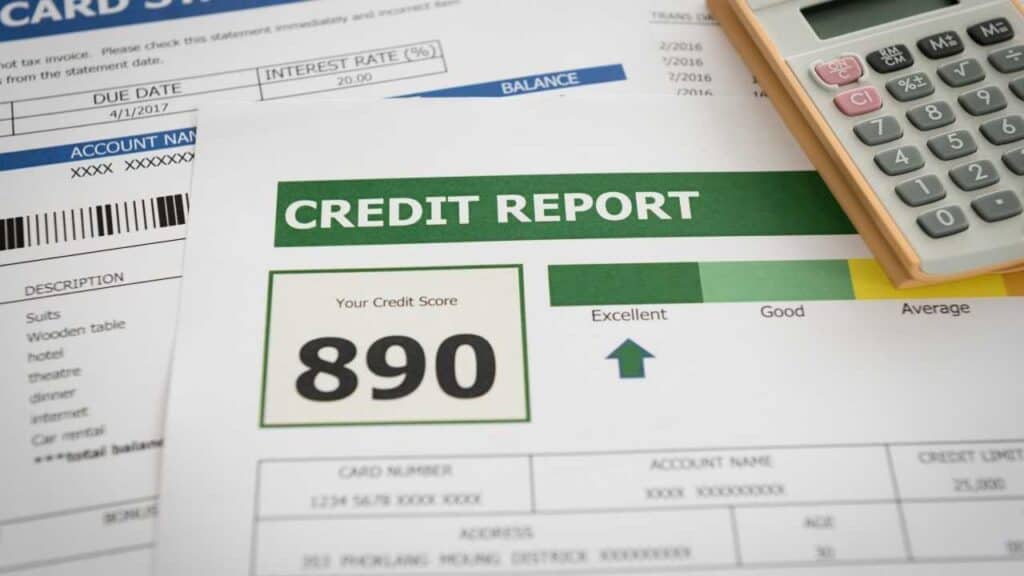
The most commonly used scale is the FICO Score, which ranges from 300 to 850. It can be helpful to understand what a poor credit score looks like in order to assess your own credit score.
Good Versus Bad Credit Scores
Having a good credit score is important. Lenders want to see that you can pay back what you borrow. A good credit score shows you are responsible and trustworthy when it comes to money.
With a good score, you will have little difficulty securing a loan or credit card. It also makes getting lower interest rates on loans and better terms on credit cards and insurance rates easier. This can also help increase your chances of landing a job and finding a new apartment.
Landlords now check the credit scores of tenants before approving applications. A good credit score can also open doors to better payment plans and rental offers. Even some employers would check their applicants’ scores, especially on positions dealing with money, to ensure that the person hired is responsible and trustworthy.
Generally, any score over 700 is considered a good credit score. A 752 is right on the cusp of being a good and excellent score. It puts you in the middle of the pack regarding creditworthiness.
That said, a 752 credit score isn’t perfect. Lenders might be more likely to approve you for a loan with a higher score. If you can improve your credit score, it could be beneficial in the long run.

Keeping Track of Your Credit Score
Knowing what affects your score is one of the first few things you should learn about when managing your finances. Factors like payment history, debts, and length of credit history are considered when calculating your credit score. Other things that can affect your score are how many times you apply for credit, the types of accounts you have, and other inquiries into your credit.
Your payment history (35% of your score) holds the most weight in your credit score. Make sure you pay off your bills on time and in full, keep your balance low, and don’t open too many new lines of credit. Monitoring your score is a good way to stay on top of your credit health, so keep an eye on it.
It’s important to keep track of your credit score and stay up-to-date with any changes that might occur. You have the option to receive one complimentary copy of your credit report per year or pay for a credit report from a third-party service.

Do’s and Don’t s When Boosting Your Credit Score
To improve your credit score, these do’s and don’ts can help you along the way:
Do keep your credit utilization below 30%
Be careful when using credit. As much as possible, don’t charge more than you can afford to pay back. Remember that your credit utilization rate accounts for up to 30% of your overall score, so the lower you can keep this percentage, the better it is for your credit.
Don’t miss any bill payment.
Your bill payment, be it credit cards, mortgage, or anything else affecting your credit score, should be paid on time and in full every month.
Do dispute any errors in your report
Occasionally, there are errors on your credit report that you can dispute with the credit bureau. If you need any correct information on your report, make sure to contact them and have it corrected right away.
Don’t close old accounts.
Having old accounts with a positive payment history can boost your credit score. You may have no use for them anymore, so you may be tempted to close them, but that’s a bad idea. Keeping them open and active is a good way to maintain a good credit score.
Do be careful when opening new ones unnecessarily
When applying for new credit, make sure that you have a need for it and can responsibly manage it. Don’t apply for multiple types of credit in a short period. This can have a negative effect on your score.
Don’t underestimate the power of a good credit mix.
Having a good credit mix is essential for maintaining a good score. To maintain a good credit mix, it’s recommended to have both installment loans (e.g. mortgages and car loans) and revolving accounts (e.g. credit cards). However, it’s important to ensure that you are capable of managing all your accounts in a responsible manner.
Do consider professional help
If you’re having trouble boosting your credit score, it’s best to seek professional help. Many online services can help you track and manage your credit score. They offer quick access to your information and can advise on how to improve it.
Other tips
Apart from the core components of your credit score, other things can also influence it. For one, filing for bankruptcy can hurt your score. In addition, inquiries into your credit history can also affect it. So it’s important to be aware of all these external factors.
Final Thoughts
With a 752 credit score, you are in a good position. However, there is still room for improvement. By taking the time to understand your credit score and learning how to manage it responsibly, you ensure that you can make the most of your credit and use it to your advantage. So follow the do’s and don’ts above, keep a close eye on your credit, and you’ll be on the right track to a higher credit score.
References
Cardone, D. (2020). Credit Secrets: The Complete Guide on How to Boost Your Credit Score 100+ Points Without Credit Repair, Improve Your Financial Life, Enjoy Freedom and Independence. Available on Amazon. https://amzn.to/46ver5N
Hack, N. (2021). Credit Secrets 3 in 1: Boost Your FICO Score By 200 Points in Less Than 30 Days. Available on Amazon. https://amzn.to/3raNbsO
Moss, S. (2020). Credit Secrets: 2 books in 1 – Blast Your Credit Score Through The Roof And Repair Bad Credit By Having Everything You Need To Know Explained In Detail. Available on Amazon. https://amzn.to/3r40b3A