These days, buying big-ticket items is a lot easier with the help of credit. Back in the day, you had to save up for years just to be able to afford a house. But now, you can get it if you can get the bank or a lender to approve you for the loan.
When applying for a loan, lenders usually consider several things, including your debt-to-income ratio, your employment history, and of course, your credit score. Lenders use your credit score to ascertain how trustworthy and dependable you are with money matters.
Credit Score: What Is It?
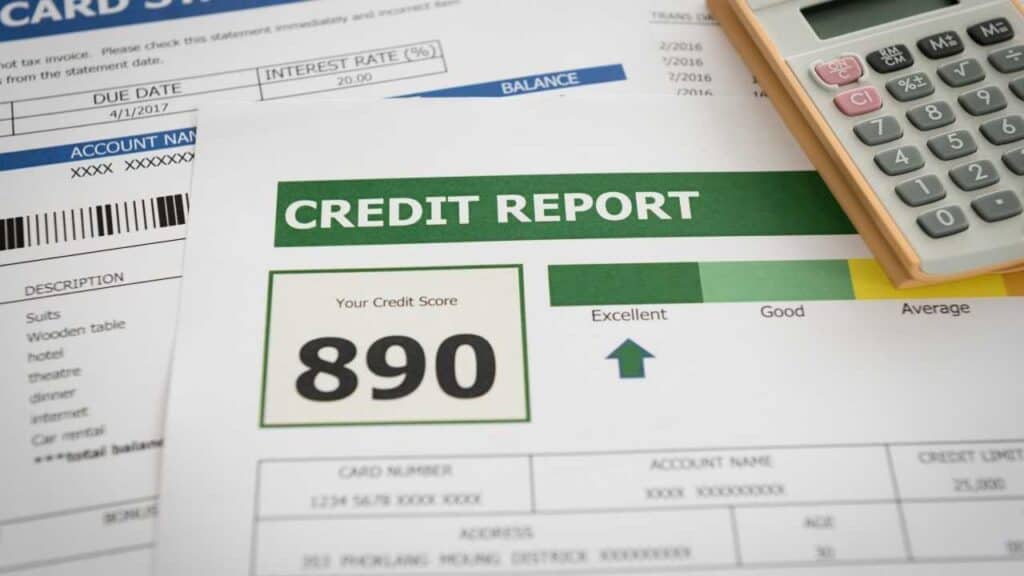
Credit scores range from 300 to 850. The usual “good” score is anything between 670-739. If your credit score falls within this range, it puts you in a favorable position when applying for a loan. But know that your score matters not only in applying for loans but also when applying for any credit, buying insurance, applying for a job, or finding a new apartment.
When it comes to buying insurance, insurance companies usually run a credit check. This is to see if you can pay the premiums and keep up with the payments. A lower credit score could mean you’ll have to pay higher premiums.
Employers, more often than not, run a credit check when you’re applying for a job. This ensures you can work with confidential information and handle money properly. You could lose out on a job opportunity if your credit score is too low.
Some landlords also look at one’s credit score when considering them for an apartment. By determining if you can pay the rent on time and showing reliability, this allows for an easier decision by the landlord.
So What Is A 688 Credit Score?
A credit score of 688 is not amazing, but it’s still good. Lenders are more likely to approve your loan applications than someone with a lower score. However, you might have to pay a higher interest rate to compensate for the risk involved.
What’s the Ideal Credit Score?
Ideally, you want a credit score of 740 or higher. This is the golden benchmark lenders use to determine whether they will approve your application. This is also the standard that most lenders use to determine the interest rate they’ll give you.
Tips For Improving Your Credit Score
If you’re up for the challenge and are serious about improving your credit score, these tips can help turn your 688 credit score for the better:
Be on Time When It Comes To Paying Bills
Late payments and missed payments can have a huge impact on your credit score. When you pay your bills late, your credit score drops. Missing payments can also hurt your score. This shows lenders that you’re not responsible when it comes to credit.
As much as possible, pay your bills on time and include them in your budget. If you’re falling behind on bills, reach out to your creditors and let them know what’s going on. Some creditors are willing to work with you if you’re trying to be responsible and are upfront about your situation.
Keep Credit Card Balances Low
Your credit utilization rate is the proportion of credit you’re using in relation to your total available credit. The higher your credit utilization rate is, the lower your credit score.
If you have multiple credit cards, keep the balance low on all of them. Try to keep it below 30% of your available credit.
Take Out Small Loans
Small loans are a great way to establish and improve your credit score. When you pay off small loans on time, it shows lenders that you’re responsible and that you can repay debt. If you decide to take out a small loan, make sure to pay the monthly dues on time to increase your score.
Pay Your Creditors
Paying off debts can help you improve your credit score. Make sure to pay off your creditors on time to give your credit score a boost.
Utilize Credit Cards Wisely
When using credit cards, do not overspend, and always pay your bills on time. Use your credit scars sparingly to pay for everyday expenses such as groceries or gas. Doing this will help you build your credit score.
Remember that improving your credit score is a slow and steady process. It doesn’t happen overnight, but if you commit to turning your 688 credit score around, you’ll have better financial options in the future.