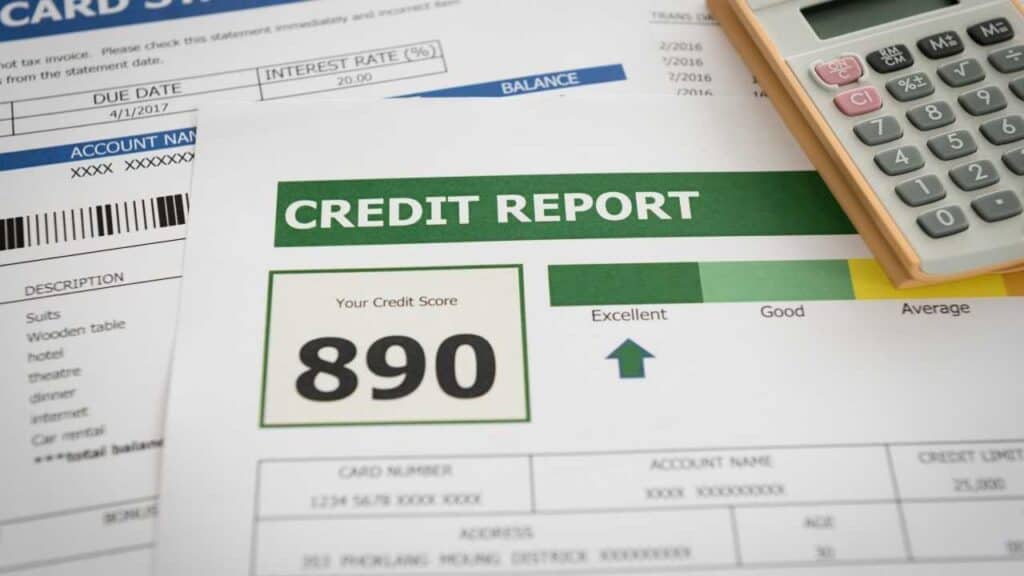
Have you ever tried applying for a personal loan, car loan, or mortgage? Did landlords ask about your credit score when you tried renting an apartment? Or maybe you’ve been curious about your credit score and what it means.
Credit scores may seem like an unimportant three-digit number. The truth is, they can significantly influence your day-to-day life without you even realizing it. However, almost 40% of adults don’t even know their scores or care about improving them. If you recently learned that your credit score is 762, then you’re one of the lucky ones.
Credit Scores: Understanding The Term
Lenders will use your credit score as a guide whenever you’re out making a financial decision. This could be when you’re getting a loan or signing up for a credit card. This is one of their ways to gauge your financial stability and trustworthiness.
Your credit score is between 300 and 850 and is calculated by comparing data from your credit report. It provides lenders with a snapshot of how you’ve previously managed your finances. This means they will learn if you have any late or missed payments, what debts you have, and how much you owe.
Five things that impact your score are your payment history, the amount of debt you have, the length of your credit history, how diversified your credit accounts are, and lastly, any new credit applications.
So What Does a 762 Credit Score Mean?
While many credit score ranges are rather broad, a 762 credit score is near the middle of the pack. Creditors see a 762 FICO score as very good and could help you get approved for loans, mortgages, or even jobs.
When it comes to credit scores, FICO is the most widely used among lenders. According to myFICO, a 762 credit score is in the “very good” range. It means you’re likely to qualify for almost any loan and have a low-interest rate. It also means your payment history is excellent, you don’t max out your credit cards, and you have a great mix of credit accounts.
What Is a Good and Bad Credit Score?
A good credit score is anything between 670 and 739, while an excellent credit score falls within the range of 740 to 850. On the other hand, a bad credit score ranges from 600 to 669. Generally speaking, any score under 579 is a poor score.
Having a lower-than-average credit score means lenders are more likely to deny your loan applications. If you are able to rent a new apartment, get a utility account, finance a car, or sign up for insurance, you may need to pay higher interest rates or deposits.
Maintaining a 762 Credit Score
Now that you know what a 762 credit score means and why it’s important, let’s discuss how to maintain your score and improve it.
First, stay up to date with your payments, so you don’t miss any deadlines. This means always making your payments on time and in full. It also helps to pay down or pay off any high-interest debts that you may have.
Second, make sure to keep your credit utilization rate low. This means using only a little of your available credit at a time. To do this, try setting up automatic payment reminders for yourself or even a budgeting app like Mint or YNAB.
Remember to check your credit report regularly for errors and discrepancies. This way, you can ensure that all the information is accurate and up to date.
Juggling different credit types is another way to help improve your credit score. A mix of revolving accounts (like credit cards) and installment loans (such as mortgages or auto loans) can also boost your score.
Do you have old accounts that you no longer use? Think twice before closing them. More available credit can help lower your credit utilization rate and increase your score.
Finally, remember to keep your personal information safe. Many people overlook this, but it is crucial in protecting your credit score. Use strong passwords and keep an eye out for potential scams.
Final Thoughts
In conclusion, having a 762 credit score is an excellent start when it comes to your finances. Many will see you as responsible with money and should have no problem getting loans and credit cards approved.
Just remember to keep up the good work in maintaining this score. Even if you are still years away from making any considerable purchase or applying for a loan, a good credit score will always benefit you in the long run.
Good luck!