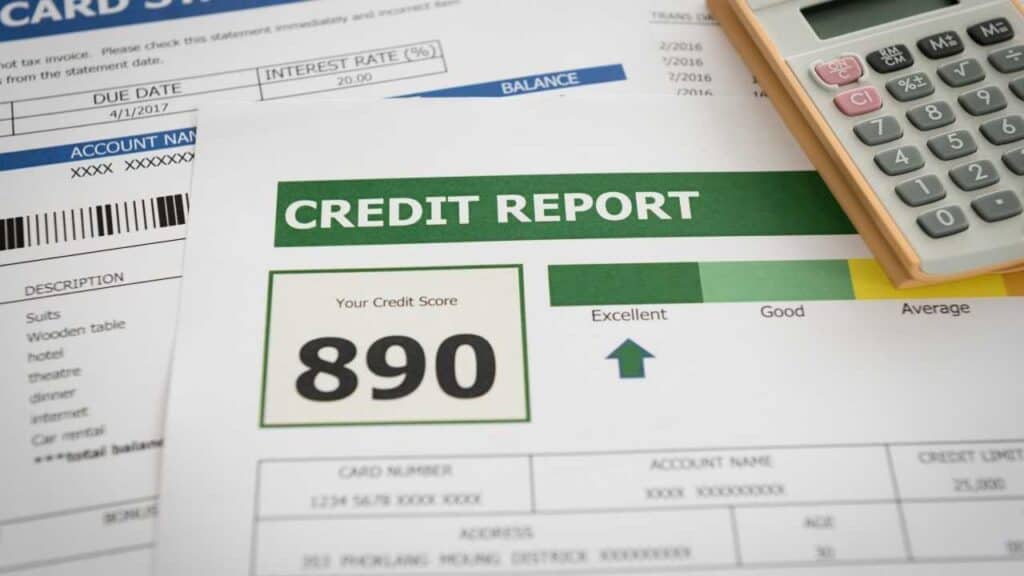
Having a low credit score tells the lender or the bank that you are either just starting your credit journey or that you’ve had credit difficulties in the past. It may be difficult to get approval for a personal loan, a mortgage, or a credit card with a low credit score.
Until you’re able to build your credit, you might get loans but with very high-interest rates.
Understand your credit score
Your creditworthiness has to commence somewhere. A 560 FICO® credit score is a good starting point for upgrading your credit score. Raising your score to the next level of fair rating (580-669) could get you loan approval from many lenders. Some benefits include access to lower interest rates, additional credit options, and reduced fees and better terms.
A 560 FICO® Score is considered “Poor .” The score signals to lenders a risky borrower. With a “Poor” credit score, it’s difficult to avail of credit cards, loans, and favorable interest rates. Keep in mind that 90% of lenders use FICO®.
If you have a 560 FICO® score or lower, you may be asked to have card deposits or incur extra fees. For utility companies, you may also call for service contracts or security deposits.
Know What to Build Up in Your 560 Credit Score
A 560 FICO® score is below the “Fair” credit score from 580 to 699. This is bad news. However, there are plenty of opportunities to improve your score.
Your credit score includes details of the main items in your credit record, especially those that cause a low score. You will find that those main events can pinpoint credit issues you have. You can use these as the starting point to raise your credit score.
“Very Poor” FICO® scores show a credit history of blunders. Some of these include several payments that were missed or delayed, foreclosures, loan defaults, and even bankruptcies.
Move Out of the 560 Credit Score
Your FICO® Score report allows you to address any credit mistakes. It’s also a good move to get credit reports from two national credit bureaus – TransUnion and Equifax.
Acquainting yourself with the contents of your credit score report can help you comprehend your credit mistakes. You’ll know what to avoid as you improve your credit. If you exert efforts to establish better credit habits, you’ll likely improve your score.
Be Fully Aware of What Impacts Your Credit Scores
Identifying the behaviors that harm your score can help you strategize on building your score.
Public Information
Public evidence, like bankruptcies, that appear on your credit report seriously hurts your score. With time, the harmful impacts on your credit scores by bankruptcy is reduced. A bankruptcy (Chapter 7 type) will stay on your credit report for 10 years. Even if your score may begin to increase, some lenders may decline you because you have a bankruptcy record.
Credit utilization rate
To calculate your utilization rate, divide the outstanding balance by the borrowing limit. To compute your overall utilization rate, divide your total credit card balances by your total credit limit.
Most experts recommend a utilization rate lower than 30% on an overall and per-card basis. Higher than 30% jeopardizes your credit score. Utilization rate contributes 30% to your FICO® credit score.
Consistent and timely bills payment
Avoiding missed or late payments is the best thing you can do to earn a good credit score. This composes 35% of your FICO® Score.
Credit history length
Other things held constant, a long credit record will more likely add to your credit score than a short one. Your history can influence up to 15% of your FICO® credit score. For newcomers, patience and avoiding bad credit behaviors will improve their scores over time.
Total credit and debt mix
Credit scores show your overall outstanding debt and the credit types you have. The FICO® credit score often benefits users with several credit accounts, a revolving credit mix (credit card accounts), and installment credit (loans having a set number of fixed monthly payments like car loans). Broadening your credit account type could improve your score. Credit mix is up to 10% of your FICO® credit score.
New credit activities
Continuously applying for new credit cards or loans can jeopardize your credit score. These are also included and considered in your credit score. Credit applications often prompt hard inquiry events.
In hard inquiries, a lender gets your credit score (often with a credit report) to decide whether to approve your loan application. Hard inquiries may lead to a credit score drop by a few points.
But as long as you continue your bill payments—and not make new loan applications, your score usually recovers within a few months.
It is better to check your credit as a form of soft inquiry which does not affect your credit score. Recent credit activities can affect your FICO® credit score up to 10%.
How to Improve Your Credit Score
Moving from a Very Poor credit score to a Fair (range: 580-669) or a Good (range: 670-739) score does not happen overnight. But if you decide to immediately develop habits that lead to good credit scores, you can see score increments in a few months. Here are tips for you:
Settle your bills on schedule
Avoid paying late or missing your payments.
Keep your overall utilization rate below 30%
Ensure that your overall outstanding balance divided by your total borrowing limit is at or below 30%.
Plan your debt management
Debt management is a tool used by non-profit agencies doing credit counseling to help you create a game plan to improve your credit.
Avail of a credit-builder loan
A credit union lets you borrow loans in small amounts to build your credit. These are planned to help their members build up or restore their credit and save many at the same time.
There are many types of credit-builder loans. A credit union gives you a loan. However, instead of cash, they put it in a savings account that bears interest. After you’ve settled the loan, you can access the money including its interest. It’s a savings scheme, but the true benefit comes as the credit unions let the national credit bureaus know of your payments.
As long as you pay regularly, your loan can improve your credit score. Just make sure that the credit union reports your payments to all three national credit bureaus.
Get hold of a secured credit card
Typically, a secured credit card has an insignificant credit limit—often just a few hundred bucks. You must deposit an amount equal to your full borrowing limit.
While you use the card and pay regularly, the lender files those activities to the national credit bureaus. These find their way to your credit files and are reflected in your FICO® Scores. By making payments on time and avoiding maximum use of the card, this method can improve your credit score.
Ensure a solid credit mix
The FICO® model for scoring credit favors users with various credit accounts and a mix of different loan types. This includes installment credit, where you borrow a fixed amount and pay monthly, like auto loans.
Another is a revolving credit or an account with a borrowing limit set by the lender, such as credit cards.