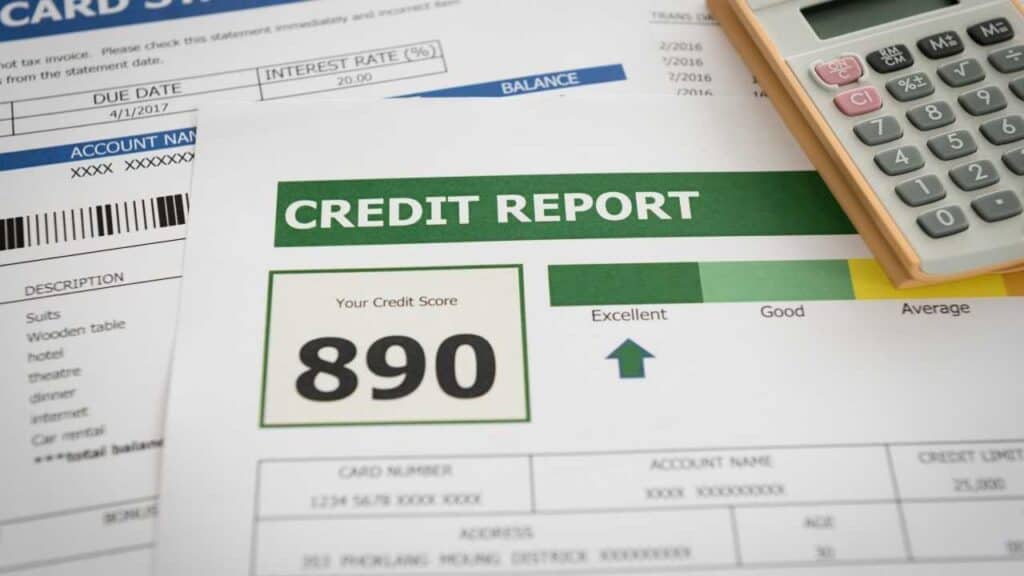
If you have an insufficient credit history, it means that you don’t have enough information in your credit report to generate a credit score. This can make it difficult to get approved for loans or credit cards. And you may end up paying higher interest rates if you’re approved.
How Credit History Contributes to Credit Scores
One of the key factors contributing to a person’s credit score is their credit history.
There are several ways to build a sufficient credit history. Some ways include using a credit card responsibly and making all of your payments on time. You can talk to a financial advisor to learn more about improving your credit score. Taking these steps can help you get the financing you need and improve your financial future.
Is One Year of Credit History Enough?
Having just one year of credit history may not be enough to convince a lender to approve your loan. If you don’t have a long history of responsible credit use, you may need to wait longer before applying for a loan.
In the meantime, there are a few things you can do to improve your chances of being approved for a loan.
How to fix an insufficient credit history
- Make sure you are paying all of your bills on time. This includes any credit cards, loans, or other debts. Payment history is one of the biggest factors in determining your credit score, so it’s important to make sure you’re staying on top of your payments.
- Try to keep your credit utilization low. This means using less than 30% of your available credit at any given time. Using less of your available credit can help show lenders that you’re a responsible borrower and help improve your credit score.
- Try to diversify your credit mix. This means having a mix of different types of credit, such as both revolving credit (like credit cards) and installment loans (like auto loans). Having a diverse mix of credit can help improve your credit score.
- You can also try to get a secured credit card. A secured credit card requires a deposit, which is usually equal to your credit limit. This can help you build up your credit history and improve your credit score.
- If you have any negative marks on your credit report, such as late payments or collections, try to get them removed. Negative marks can have a big impact on your credit score, so it’s worth trying to get them removed if possible.
What happens if you don’t have enough credit history?
If you don’t have enough credit history, you may not be able to get approved for a loan or credit card. Lenders use your credit history to determine your creditworthiness. So they may view you as a higher-risk borrower if you don’t have much history.
This can make it difficult to get approved for financing, and you may end up paying higher interest rates if you are approved.
Is an insufficient credit history the same as bad credit?
No, insufficient credit history is not the same as bad credit. Having insufficient credit simply means that you don’t have enough credit history to establish a strong credit score. This can happen if you’ve never taken out a loan or opened a line of credit before.
On the other hand, bad credit indicates that you have missed payments or defaulted on a loan in the past. This makes it difficult to get approved for new credit products. While an insufficient credit history may make it harder to qualify for some types of financing, it’s not as serious as having bad credit.
How to get credit cards and loans with an insufficient credit history
One option is to get a secured credit card, which requires you to put down a deposit that serves as collateral for the card. Another option is to get a co-signed loan, where someone with good credit agrees to be responsible for the loan payments if you default.
You can also try to get a credit builder loan designed for people with bad or no credit. These loans work by giving you a small amount of money that you then have to pay back over time, thus helping to build up your credit history.
Whatever option you choose, make sure you keep up with your payments and try to improve your credit score so that you can eventually get better terms on loans and credit cards.
How to Check your information
If you don’t have much credit history, there may not be much to check. That’s okay! But it’s still important to make sure everything reported is accurate. By checking your credit report regularly, you can catch any errors early and dispute them before they have a chance to do too much damage.
Check your credit report from the three credit reporting agencies: Experian, Equifax, and TransUnion. You’re allowed one free report a year. You can request the report at AnnualCreditReport.com.
Look over your report carefully to make sure all the information is accurate. If you see anything wrong, dispute it with the credit bureau right away.