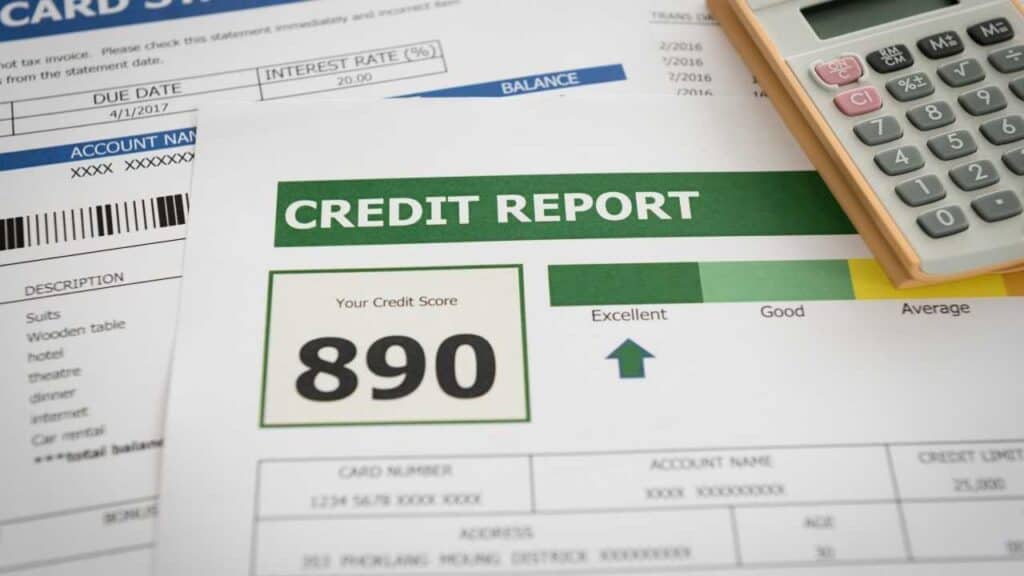
A 690 FICO® Score is already Good, but bringing your score into the Very Good range will most likely easily qualify you for credit cards and loans. Plus, you get better borrowing terms and relatively low-interest rates.
From any or all of the three credit reporting agencies, TransUnion, Equifax, and Experian; discover the factors that have the most impact on you. The FICO® Scores give you a consolidated view of how borrowers repay credit obligations, including accounts of other lenders. The scores are derived by using consumer bureau figures from millions of borrowers.
FICO Scores are updated periodically to capture changes practiced by consumers and lenders.
What can I do with a 690 credit score?
A 690 is a good credit score. It typically lets you obtain new credit easier with better interest rates. However, you should exert all efforts to improve your score and not damage it to avoid much more limited loan options. Since you’re not yet in the highest range of credit scores, you’ll still always desire to review the terms of your loan, like ensuring you’re getting an acceptable interest rate and reasonable loan terms.
Having a 690 FICO® Score, a Good one, is helpful because it lets you know whether you can borrow money and how much you’ll pay in interest to do so. A good credit score is beneficial: borrowers with higher credit scores pay less for car insurance in many states. Some businesses also use credit scores to screen customers.
How to improve your 690 Credit Score
Checking your FICO® Score is the best way to improve it. Along with the checked score, you’ll get information about tips on how you can upgrade your score based on identified information in your credit file. It’s very helpful to know these five factors that impact your credit for you to see what affects your credit the most:
- Payment history – 35 percent
- Outstanding debts – 30 percent
- Credit history length – 15 percent
- New accounts – 10 percent
- Credit mix – 10 percent
Second, be up-to-date in your payments. Lenders want to see this the most. One way to avoid missed payments is by availing of automatic payments if possible.
Third, get the free credit report you’re entitled to yearly from each national credit bureau. In 2020, around 280,000 consumers filed complaints regarding credit report errors, and more Americans are unaware of errors on their credit reports. Erroneous items on your credit report might be remarkably dragging down your credit score, so always find time to review it and challenge any errors.
Don’t have time to check your report by yourself? Hire the services of credit repair. Lexington Law is an example.
Finally, the time it will take to have a better credit score will be dependent on a few things. Factual negative items on your credit report—such as bankruptcy—can hamper your progress. These negative items can remain on your credit report for over seven years and not allow you to see a credit score improvement for a long period.
On the other hand, you can see results in just a few months for some activities you can do. Let’s say only an outstanding loan is keeping you at 690. Settle this debt, and you might see your score increase.
You should commence working on your credit score right away.
Benefits of a good credit score
The majority of lenders are more than willing to extend credit to you who have a credit score in the good range. However, they may not give you their reasonably low-interest rates, and card issuers may not let you get their best rewards and loyalty bonuses. You do not want to miss those perks, so get down and start working on your credit score improvement.
How to maintain a good credit score
A 690 credit score is not excellent. If you’re looking to get the best interest rates and terms on loans and credit cards, you’ll need a score of 720 or higher. Additionally, a 690 credit score means some lenders may see you as a higher-risk borrower. This could make it difficult to get approved for certain loans or lines of credit. Here are some tips:
Pay bills on time
This is the most important factor in determining your credit score. Payment history accounts for 35% of your FICO® Score 8 calculation. Payment history includes information about whether you have made your payments on time, as well as any late payments or collections activity.
If you have a good payment history, it will help improve your credit score.
However, if you have a poor payment history, it will hurt your credit score. That’s why it’s so important to make all of your payments on time and avoid any late payments or collections activity.
Bottom line: Payment history is the most important factor in determining your credit score. So, if you want to improve your credit score, focus on making all of your payments on time.
Consider utilization rate or usage rate
Utilization rate, or usage rate, is one factor that may be considered when determining whether 690 is a good credit score. The utilization rate is the percentage of the credit limit that you’ve used.
For example, if you have a credit card with a $1,000 limit and charge $500 to it, your utilization rate would be 50%. Generally speaking, the lower your utilization rate, the better.
Outstanding debts make up 30 percent of your total credit score, so it will drag your score down if you have a lot of debt. But if you keep your debt levels low, you’ll have a good chance of maintaining a good credit score.
Many experts advise that utilization rates above 30%— whether individual accounts or all accounts—will lower your credit scores. The more you “max out” any card—that is, moving utilizing them toward 100%—the more you drag your credit score. Note that utilization is next to payments done on time in terms of its effect on your credit score; it is nearly one-third (30%) of your credit score.
Long credit history
Your credit history is one of the most important factors in your credit score. The length of your credit history accounts for 15 percent of your score.
A long credit history shows lenders that you’re a responsible borrower and helps them better assess your risk. Length of credit history is especially important when you don’t have a lot of other information, such as a long track record of paying bills on time or a high income.
If you have a short credit history, there are things you can do to improve your score. One is to get a secured credit card, which can help build up your payment history. You can also become an authorized user on someone else’s credit card account, which can also help boost your credit score.
Manage your new accounts wisely
New accounts make up 10 percent of your credit score. This is because lenders want to see that you’re managing your finances responsibly and are capable of taking on new debt.
Opening too many new accounts in a short period can be a red flag to lenders, so it’s important to manage your new accounts wisely.
Have a good credit mix
The credit mix is one of many factors that lenders look at when considering a loan application. This refers to the different types of credit that the borrower has, such as installment loans, revolving credit, etc.
A good credit mix can help boost your score because it shows that you’re able to manage different types of debt responsibly. Lenders like to see borrowers who can handle different types of debt, as this indicates that they’re more likely to repay their loans on time.
However, the credit mix only makes up 10 percent of your FICO score, so it’s not the most important factor.
How to build up your credit score
If you want to improve your credit score, there are a few things you can do. Begin by monitoring your payments. First, make sure you’re paying your bills on time.
This is one of the most significant elements in improving your credit score. Keep your debt levels low and avoid taking on additional obligations. This indicates to lenders that you’re not overextended and that you can handle your money well.
Also, don’t open too many new lines of credit all at once. Lenders may see this as a warning sign, which can harm your score.
Finally, try to establish a solid credit history by keeping your accounts open for a long time. This demonstrates that you’re a trustworthy borrower, which helps increase your chances of being granted loans in the future.
It’s important to keep track of your FICO Score® regularly. A good credit score is essential for getting the best interest rates on loans and credit cards. It can even help you get a job or rent an apartment.
If your score is below average, don’t despair – there are plenty of things you can do to improve it. Check out our tips on how to raise your credit score.
And remember, you can check your FICO Score® for free on Credit Karma. So there’s no excuse not to stay on top of your credit health!