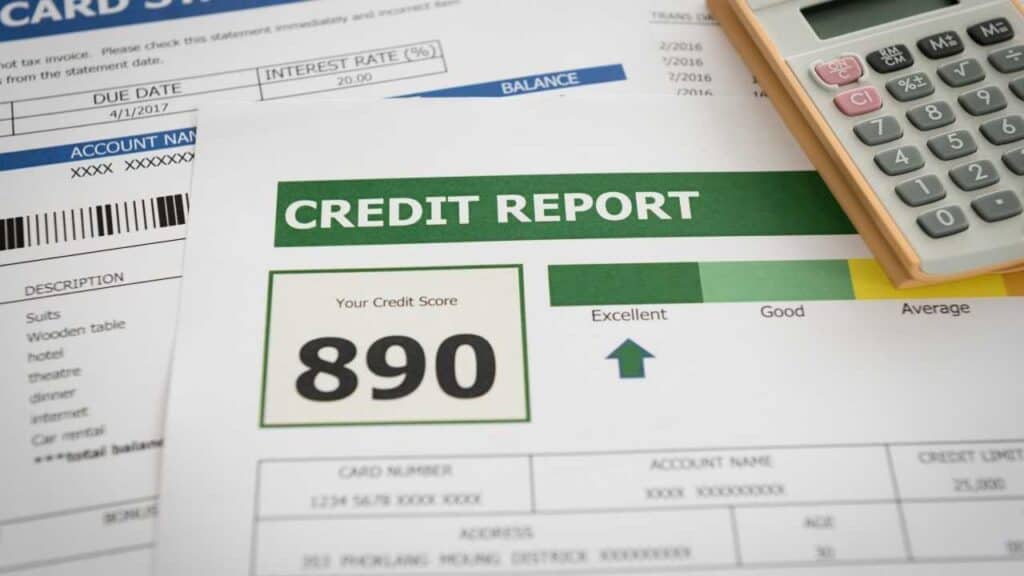
When did you last check your credit score? Was it when you were trying to secure a car loan? Or was it when you started shopping for a mortgage so you could finally buy your home?
According to a survey, only 54% of millennials care about their credit standing. You may not have any plans of buying a house or car any time soon, but your credit score can come haunting you if you don’t take steps to increase it.
Why Your Score Matters More Than You Might Think
That three-digit score you can find on your credit report is more than just a number. It is rewards and punishments all tied into one score. That 645 credit score you have might look good initially, but it can be causing you some problems below the surface.
For example, a credit score that starts with a 6 usually means lenders consider you an above-average borrower. That’s great, but it could keep you from getting the best interest rates and loan terms.
You may not qualify for some credit cards or loans if your score falls below 620. And if that sounds like a problem, it is. Having access to more credit can come in handy when you have big-ticket items to buy.
Knowing your credit score is important because it can affect what kind of financial products you can get. Know that a bad credit score puts you at risk of higher insurance premiums, bigger deposits for utilities, and higher interest rates on loans. This can also affect your mortgage approval, car loan approval, work opportunities, and your quest for a new apartment.
Is a 645 Credit Score Good or Bad?
A 645 credit score is considered “fair.” This may make it difficult to qualify for loans or lines of credit. Lenders view scores in the mid-600s as being “close to subprime.”
If you do get approved, you may have to pay slightly higher interest rates than someone with an excellent credit score. However, those rates are still likely lower than those of someone with a subprime score. However, it is still possible to get some types of loans with a score of 645.
Tips for Improving Your 645 Credit Score
Although it takes time, habitually following these credit score-improving tips will get you where you want to be sooner than later.
Know Your Score
The most common way to get your credit score is through a free or paid service such as Credit Karma, Experian, TransUnion, or Equifax. You can also get your score through a lender or bank. Knowing your score and tracking it will help you identify areas of improvement.
Check Your Credit Report
If you find any errors on your report, dispute them with the credit bureaus in writing. Send this back as soon as possible to get the errors fixed.
Pay Your Bills On Time
One important factor in your credit score is whether you make payments on time. Each month, try to pay more than the minimum payment. Even with minimum payment each month, it will still show up on your report as evidence that you’re reliable and responsible when it comes to paying bills.
Pay Down Your Debt
If you have a large debt, try to pay it down as much as possible. Reducing your balance can help improve your credit score over time. Consider using a balance transfer card or personal loan to consolidate and reduce your debt in one payment.
Reduce Your Credit Usage
Try to keep your credit utilization ratio below 30%. This means that you should only use a maximum of 30% of your available credit. Lowering your usage will help improve your score over time.
Take Debt Wisely
Before taking out any loans or opening a new line of credit, be certain that you really need it and can handle the payments. Be careful about how much debt you take out, and make sure you will be able to pay it off in the future. As much as possible, diversify and pay off all your existing debt first before taking out a new one.
Consider Debt Consolidation
Debt consolidation means you’re taking out another loan to cover the debts you currently have. This can simplify your payments and help reduce your overall interest rate, improving your credit score over time.
Improving your credit score takes time and effort, but it is no impossible task. With determination and the right strategies, you can get your 645 credit score higher and enjoy the rewards of a good credit score.
Final Thoughts
A score of 645 may still be a fair credit score. But if you have bigger future plans, it’s worthwhile to take the necessary steps to improve your credit score. Knowing your current score and actively taking measures to raise it can make a huge difference in your financial future, whether it’s getting a loan for a car, applying for a mortgage, or searching for work. With the right strategies and determination, you can get your 645 credit score to a much higher level.