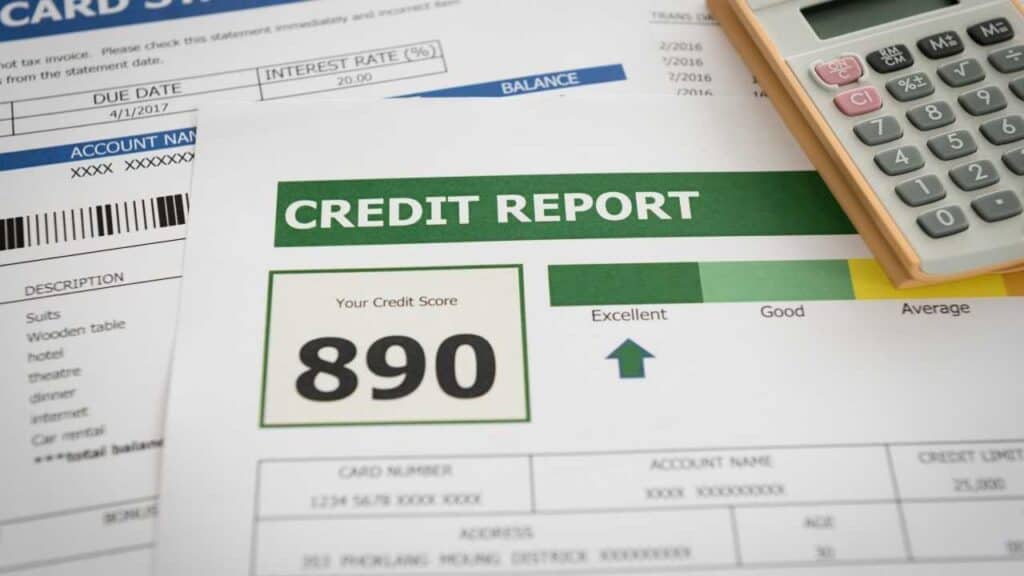
Credit scores – those three-digit numbers many people don’t think about- can have a huge effect on your life. Your score can be anywhere between 300 to 850. While your score could be better than most people, it helps to dig deeper and learn everything there is to know when it comes to credit scores.
When Do Credit Scores Come in Handy?
There are many scenarios when a good credit score can be beneficial. The following are just a few examples:
Applying for a Loan
A credit score helps lenders determine if you are worthy enough to receive a loan. It can also impact the interest rate they will offer you. The higher your score, the lower the rate you’re likely to get.
Applying for a Credit Card
Just like with loans, credit card companies also consider your score when you apply for a card. A better credit score can result in more favorable loan terms, like a decreased APR and an improved rewards program.
Renting an Apartment
Many landlords use credit scores to check whether you’re a reliable tenant. You may need to show your credit score to prove that you’re financially responsible and trustworthy.
Applying for Insurance
Insurance companies may use credit scores to see how much you’ll pay for coverage. If your score is good, they may offer you lower premiums.
Buying a Car
When you’re looking to purchase a car, dealers will likely check your credit score. A higher score may give you access to lower interest rates and more attractive financing options.
Applying for a Job
Some employers will pull your credit report as part of the application process. Depending on the job you’re applying for, having a good credit score may be essential in order to get hired.
What Score Is Good?
Now that you know when credit scores come in handy, what is a good score? It depends on the scoring model used by the lender or creditor. Generally, scores that range from 670 to 739 are considered ‘good.’
A score is good if it’s above 670. This usually means you have a good credit history and that lenders view you as responsible. With a score of above 670, you can enjoy attractive financing rates and better terms from lenders.
So, Is a 735 Credit Score Good or Bad?
A 735 credit score falls in the above-average range. This means you’ll have an easier time qualifying for credit cards, loans, and other forms of credit than if you had a lower score. That said, there’s still room for improvement to get better terms.
Tips to Improve Your Credit Score
Mind Your Bills
Payment history is one of the most critical factors when determining your credit score, so it’s important to ensure that you stay on top of all monthly payments. This includes rent and utility bills, credit cards, and other loans. Missing payments can take a toll on your score, so make sure you pay these on time, every time.
Reduce Credit Card Debt
Another huge factor in your credit score is the amount of debt you owe. Try to reduce the balance on your cards, ideally to below 30% of your credit limit. This can help improve your score in the long run.
Let’s say your credit card has a $2,000 limit. Your goal should be to keep the balance below $600 at all times.
Have a Mix of Credit Types
There are different types of credit, such as installment loans and revolving debt like credit cards. Having a mix of both can help your score. It shows lenders that you can handle different kinds of debt and can be a responsible borrower.
Keep Old Credit Accounts Open
It’s tempting to close old accounts you no longer use, but this can hurt your score. That’s because it can lower your credit utilization ratio, which is the amount of credit you use compared to the amount of credit you have.
For example, if you close a credit card with high limits and don’t replace it with a new one, it can reduce your overall amount of available credit. When this happens, your score may take a hit.
Bottom Line
Understanding your credit score and what it means is the key to managing your finances. Keeping up with your payments and reducing debt are just two of the ways that you can maintain and improve your score. While it requires consistent work, maintaining a good credit score is entirely achievable with effort and dedication!