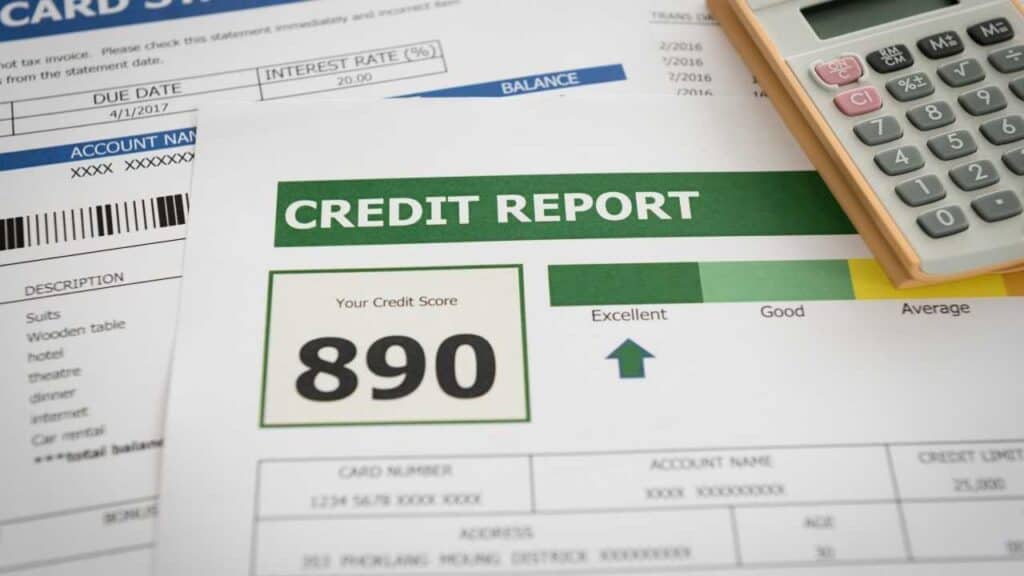
In 2012, a man from Cleveland scored the highest credit score in the United States. Tom Pavelka was 56 years old when he hit an 848 credit score, unheard of in the credit industry. Should you aim for it if you are already at the 765 mark?
Generally, a credit score needs to be over 800 to be an “Excellent” score. A 765 credit score is still a good score. It falls in the mid-to-upper range of FICO scores and is considered a “Good” score.
Why Care About Credit Scores?
Credit scores are more than just any ordinary score. This is actually one of the many things that can impact your life both financially and personally.
Your score can determine your loan interest, the credit limit you will receive, and even your mortgage rate. All of these directly affect your ability to borrow money and the cost associated with it.
But did you know that your three-digit score can also impact other areas of your life, including your employment, ability to rent a living space, and your insurance rates?
Not all employers do a credit check on their employees. However, some companies would rather hire someone with a higher credit score since it reflects the person’s character. Even if you do not have an “Excellent” score, a “Good” score can help you secure that job. This is especially true with the more prestigious or higher-paying positions.
Landlords and property managers also consider credit scores when deciding whether you can rent their place. Generally, they would rather have potential tenants with higher scores – or at least an average score. This is because these people are deemed more likely to make their payments on time.
Lastly, insurance companies also use your credit score when calculating rates. Even if you do not have bad credit, a low credit score can still affect your insurance premiums.
What Does a 765 Credit Score Mean?
A 765 credit score means you have a history of timely payment and low overall credit use. This is the kind of score that lenders love to see because it suggests that you are reliable and responsible with your money.
You should have no issue getting approved for most loans, lines of credit, and mortgages as long as there are no other red flags on your report. You may even snag a great interest rate on your loan or line of credit.
Is It Worth Trying To Improve a 765 Credit Score?
A 765 credit score is already pretty good. But remember that the higher your score, the more benefits you can get. This includes more credit card options, higher loan limits, and better interest rates.
Your score is only one indicator of your financial health. Improving it can help you achieve your goals, but don’t let it become an obsession. Your credit score is not an end-all be-all.
If you want to improve your score, it pays to know the different factors in calculating it. The following are five factors that make up your score:
1. Payment history (35%) – Have you been making payments on time?
2. Credit utilization ratio (30%) – How much of your available credit are you using?
3. Credit age (15%) – How long have you had your current credit accounts?
4. Account mix (10%) – Do you have a combination of installment loans, credit cards, and other lenders?
5. Inquiries (10%) – How many hard inquiries have you made recently?
By understanding how these five factors affect your score, you can work on improving your 765 credit score.
Tips to Improve a 765 Credit Score:
If you’re after getting a higher credit score, keep these tips in mind.
Go For Timely Payments
The key to boosting your credit score is maintaining a strong payment history. It affects up to 35% of your score. So, make sure you pay your bills and other debts on time.
Set up reminders if you need to, or set up auto-payments whenever possible. This will help ensure that all your payments are made on time. It’ll even help you avoid late fees and other consequences.
Keep Your Credit Utilization Low
Reaching 30% of your credit score largely depends on your credit utilization rate – a representation of the proportion between available and used credits.
Ideally, you want to keep your CUR below 30%. This shows lenders that you’re not relying too heavily on credit and that they can trust you with more debt.
Pay Down Existing Debt
Paying down your lenders can help lower your utilization ratio. It can also help improve the overall length of your credit history, which affects 15% of your total score.
If you have multiple credit accounts, work on paying them off one at a time. This will help eliminate your debt more quickly and improve your credit score.
Avoid Opening New Credit Accounts
Lenders will conduct a hard inquiry everytime you apply for a new loan or credit card. This negatively impacts 10% of your overall score.So, avoid applying for new accounts if you want to improve your credit score.
Check Your Credit Report
While most credit score calculations use your credit report as their basis, you should check it periodically to ensure there are no errors or fraudulent activities. If you observe any inconsistencies, immediately alert the credit bureaus.
It’s also a good idea to dispute any inaccurate information. This can help you improve your credit score and improve your financial standing.
Final Thoughts
Your credit score serves as an indispensable reflection of your financial wellbeing. A 765 credit score is a great place to start, but it’s still worth improving. These tips above should help you get the most out of your score.
Good luck! With a little hard work, you should be able to boost your credit score even higher!