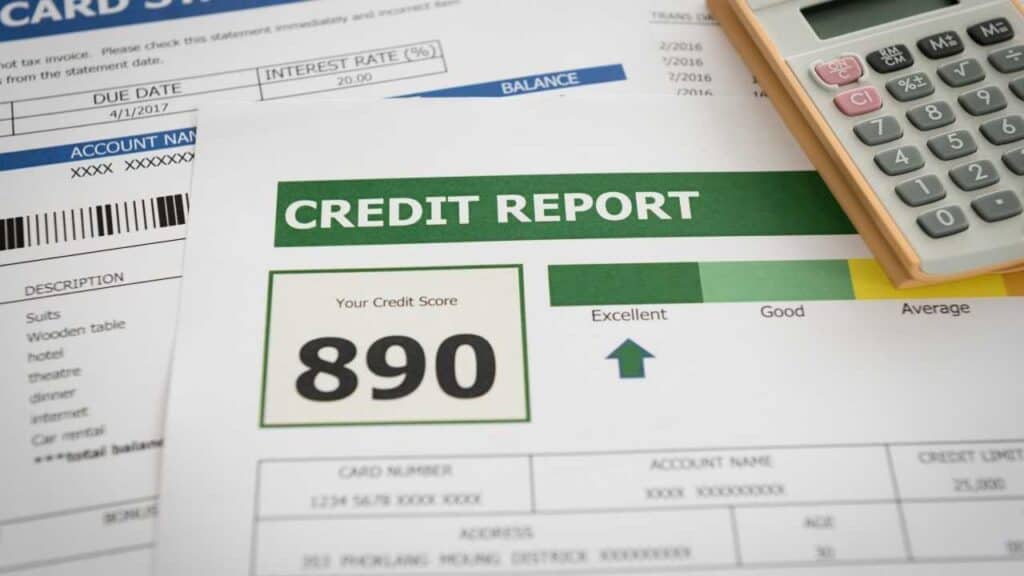
What’s your credit score? If yours is within the 664 range, you may find yourself asking, “Is a 664 credit score good or bad?”
The truth is, it depends. A 664 credit score isn’t considered great, but you don’t have to panic, either. It’s not the worst score out there; with some effort and patience, it’s possible to improve it.
A 664 credit score will likely put you in the “Fair” range, which is considered “okay.” You won’t qualify for the best interest rates on loans and other financial products, but getting approved should still be possible.
Why It Pays To Improve Your 664 Credit Score
Although you may be able to get approved for loans and other products with a 664 credit score, it will likely come with high-interest rates. That’s because your score indicates to lenders that you might not be the best bet for repayment. This means you’ll pay more interest over time which adds up quickly!
With a higher credit score, you can enjoy better insurance rates. Insurance companies also review your score to measure how risky it is to insure you. With a higher score, you can benefit from lower premiums and better coverage.
Another reason to improve your score is to increase your chances of getting the approval of landlords. While not all landlords check every applicant’s scores, some do. With a better credit score, you’ll increase the chances of getting approved for that apartment or house you’ve been eyeing.
Lastly, a better score can help you land that job you’ve been dreaming of. Some companies will check your credit score as part of their background screening process, and if yours isn’t that great, you may find yourself passed over for the job. This is especially true for positions that handle money or make major financial decisions.
Ways You Can Start Improving Your 664 Credit Score
These tips will help you get started in boosting your score.
Step 1: Know Where You Stand
This means getting a copy of your credit report and checking it for errors. You can avail a free copy of your yearly credit report copy from Equifax, Experian and TransUnion.
If you find any errors or inaccuracies. If you find any, dispute them right away.
Step 2: Know What Impacts Your Score
It’s important to be aware of what affects your score and how. In general, the following five factors play a role in your credit score:
Payment History (35%)
Your payment history makes up the most significant portion of your score. That’s why it’s important to ensure you pay all of your bills on time and in full. Late and delinquent payments will appear on your credit report and negatively impact your score.
Credit Utilization (30%)
This refers to the amount of credit you’re using compared to the amount available. Ideally, your utilization rate should be lower than 30%, but the lower it is, the better your score will be.
Length of Credit History (15%)
This indicates how long you’ve been using credit. The longer it is, the better, as it shows lenders that you have a history of responsible use.
Types of Credit Used (10%)
This looks at the types of credit you have, like loans, revolving accounts, and installment accounts. Lenders consider a mix of different types a plus as it shows you how to handle various types of credit.
New Credit (10%)
This looks at how many new accounts you’ve opened recently and the number of credit inquiries made. Opening too many new accounts or having too many inquiries can result in a lower score.
The better you understand the factors that go into calculating your score, the better equipped you are to make changes that will positively impact it.
Step 3: Develop a Plan of Action
Now that you understand what affects your score, it’s time to create an action plan. Here are some steps you can take:
- Keep up with bill and debt payments.
- Lower your credit utilization rate.
- Don’t close any accounts that are in good standing.
- Limit the number of new accounts you open.
- Dispute any errors or inaccuracies on your credit report.
- Establish a solid credit history by using a mix of different accounts and using them responsibly.
Step 4: Monitor Your Progress
The last step is to keep a close eye on your progress. The regular monitoring will help you stay on track and ensure your efforts are paying off.
Step 5: Be Patient
Remember, improving your score takes time. So be patient and stay focused on your goal. With a little bit of effort and patience, you’ll be well on your way to boosting that 664 credit score. Good luck!
Final Thoughts
Improving your credit score can seem like a daunting task, but with a bit of knowledge and dedication, you can do it. Just remember to stay informed about the factors that affect your score, develop an action plan, monitor progress, and be patient. With these steps in place, you’ll be well on your way to seeing an improved score. Good luck!