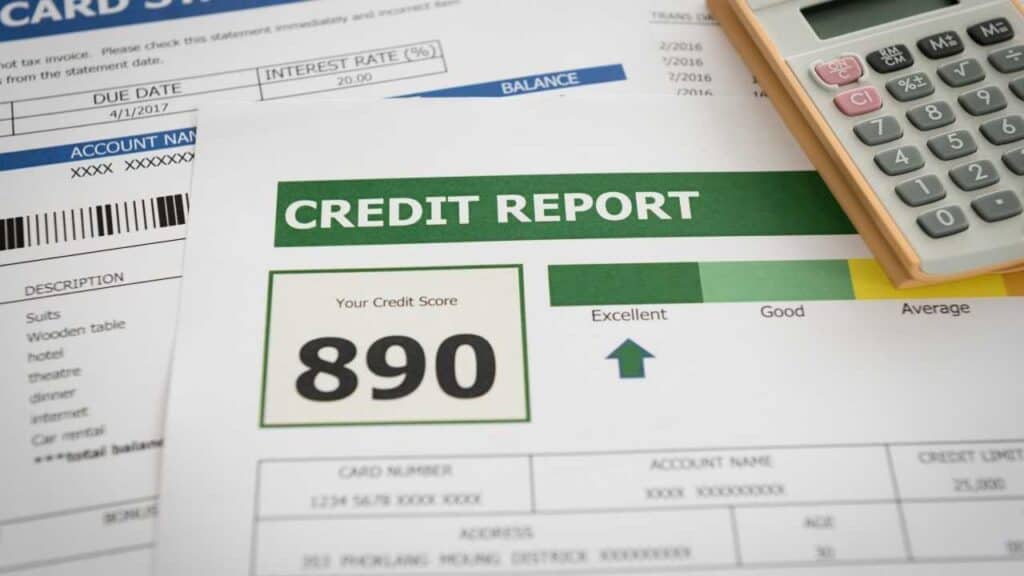
A 676 credit score is considered to be a Good credit score. It falls on the higher end of the ‘Fair’ range, starting from 580 and above. It means you have a decent chance of getting approved for various types of loans and other financial aid.
According to a 2021 report, America’s current average credit score is 714. Therefore, a 676 credit score is lower than the average but still in the good range.
Why Aim for a Higher Credit Score
Having a good credit score has many benefits. With better interest rates, you could qualify for loans and other financing products. This makes financial management a breeze – allowing you to save more of your hard-earned money! Also, lenders are more likely to trust borrowers with a good credit score, making them more likely to make you their preferred customer.
Let’s assume you plan on buying a new car this year. Car dealers usually offer a variety of loan packages for buyers with different credit scores. If you have an excellent score, like 750 and above, you will be offered lower interest rates than someone with a good or fair score.
People with high credit scores often have little difficulty finding a new apartment or house to rent. These days, many landlords consider potential tenants’ credit scores. If you have a good credit score, this increases your chances of getting approved for a rental or lease agreement.
If you’re after job opportunities, you should know that employers often check the credit scores of potential employees. A good credit score can be a bonus for anyone looking to land their dream job.
Tips for Improving a 676 Credit Score
If you want to boost your 676 credit score, the following tips are worth considering:
Know What Impacts Your Credit Score
It helps to understand how credit scoring works and what factors can affect your score. This will help you make better decisions when managing your finances.
When it comes to credit scores, credit unions consider the following factors:
• Payment history (whether you’ve paid any loans on time).
• Credit utilization ratio (how much credit you use compared to your limit).
• Length of credit history (how long you’ve been using credit).
• Types of accounts in use (credit cards, loans, etc.).
• New credit inquiries (how many times you’ve applied for new credit).
Your payment history is the most significant factor when determining your credit score. This makes up 35% of your total score. To sustain a good credit record, timely payments of all bills are essential; late or absent payments can have detrimental effects on your report. Therefore, it is critical to ensure that you make each payment in full and on time.
Your credit usage accounts for 30% of your overall credit score. Therefore, keep your credit utilization ratio as low as possible (ideally below 30%).
How long your credit history is, is also an important factor in determining your score. The longer it is, the better your credit score will be. Up to 15% of your score is comprised of your credit history.
Your credit mix is 10% of your score. This involves having a balance of credit cards, loans, and other accounts.
The remaining 10% of your score is from new credit inquiries. This information gets added to your credit report whenever you apply for a loan or credit card.
Pay Your Bills on Time
Paying all your bills on time is the most reliable way to raise your credit score, whether it be rent, utilities, loans or credit cards. You don’t want to get reported to the credit bureaus for late or missed payments.
If you’re having trouble remembering when your bills are due, consider setting up a reminder system. There are plenty of online services that can help you with this. You can also automate recurring payments, so you never worry about forgetting a payment.
Keep Your Credit Usage Low
Make it a priority to maintain your credit utilization ratio as low as you can. You shouldn’t use more than 30% of your available credit. This will help show potential creditors that you’re a responsible borrower and that they can trust you with more credit.
If you have a high balance on multiple credit cards, consider transferring the balance to one card with an introductory 0% APR offer. This way, you can benefit from paying a lower interest rate and saving money on fees.
Pay Down Existing Debt
Try to pay more than the minimum balance each month. This can help you avoid accumulating more debt.
Be Wary of Applying for New Credit
A common mistake is applying for too many credit cards at once. This can lower your credit score, as each application leaves an inquiry on your credit report. Try to limit yourself to one application every six months.
If you are to apply for new credit, make it a point to create a solid mix of credit cards, loans, and other types of accounts. This will help demonstrate to potential lenders that you can responsibly handle different types of credit.
Check Your Credit Report Regularly
Finally, make sure to check your credit report regularly and dispute any errors that you find. You can get a free annual report from Equifax, Experian, and TransUnion.
Final Thoughts
A 676 credit score puts you in the Good range. You can enjoy better rates on loans and credit cards, which can help you save money. However, improving your score will enable you to get even better rates and offers.
By following the tips above, you can work towards improving your credit score one step at a time. The journey to a good credit score can take a while, but it’s worth the effort. Good luck!