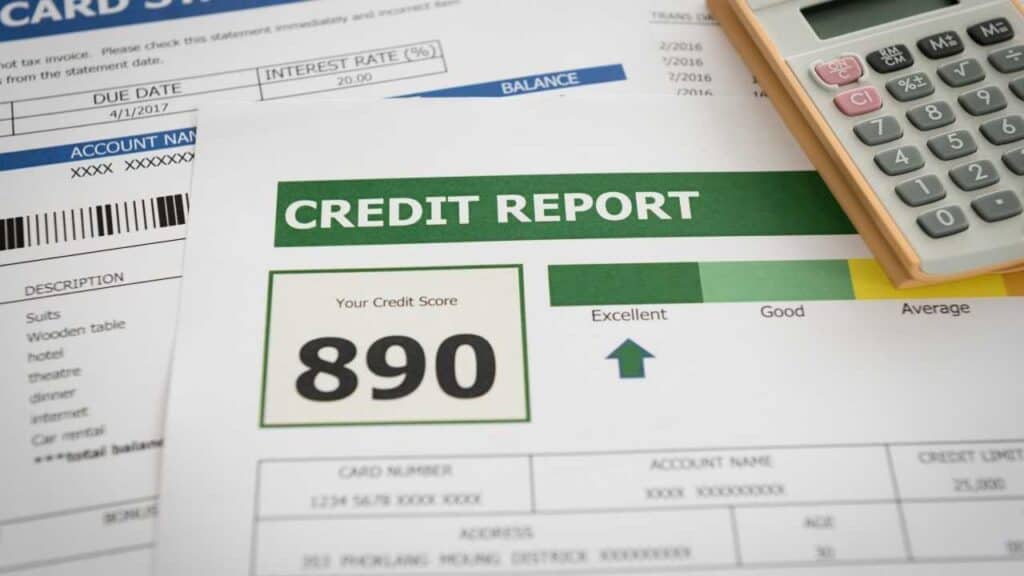
Credit challenges are never fun. With most people taking advantage of credit to acquire the things they need and want, having a 623 credit score can be intimidating.
Where Can You Get Your Score?
Your credit score is available through major bureaus, such as Experian, Equifax, and TransUnion. Other companies offer access to these reports for a fee.
Why Credits Scores Matter More Than Most People Think
A low credit score can mean that you are seen as more of a risk to lenders. This could make it challenging to get approved for different types of financing. Any loan you do secure will likely come with higher interest rates and fees than if you had better credit.
There are other reasons why everyone should strive to boost and maintain a high credit score. For one, this can help you lower your insurance premiums. Secondly, even smaller things like renting a car or getting a cell phone plan can be affected by having a lower credit score.
When renting an apartment, having a better credit score can give you more options in terms of what you can afford. Employers even look at your credit score as one of the factors in considering you for a job.
So, Is A 623 Credit Score Good or Bad?
A 623 credit score falls within the “fair” range of credit scores. It is the lowest range of good credit. While it’s possible to secure loans and other financing products with this score, you may need to pay more in interest and fees than someone with a higher score. The same goes when trying to secure a mortgage, buy insurance, and find a new place to rent.
What Lenders Consider a Good Credit Score
Credit scores often range from 300 to 850, and the higher your score, the better. Generally, a good credit score is considered any FICO® Score above 670, but some lenders may require a higher score for you to qualify for the best terms and rates.
How Can One Improve Their Credit Score?
The following outlines some of the best ways to start boosting your 623 credit score:
First, know what affects your score.
Five different factors make up your credit score. That includes credit mix (10%), new credit (10%), length of credit history (15%), amounts owed (30%), and payment history (35%). Knowing how each affects your score can help you focus on a particular area if you want to improve it.
Pay bills on time and in full.
Your payment history impacts your score most, so you want to make sure you pay each bill on time. It also makes sense to automate your bill payments to ensure you don’t miss one. Paying off the entire balance is ideal, as this will help you avoid interest costs.
Lower your credit usage.
Try to stay within 30% of your available credit, as this can damage your score. If, for example, you have a total of $1,000 in available credit limit and have a balance of $300, this would be a 30% usage rate.
Turn to a diverse credit mix.
Having a variety of credit accounts on your report can improve your score. This includes different types, such as credit cards, student loans, or auto loans. Having a healthy mix of them all is favorable.
Monitor your credit report frequently.
Checking your credit report regularly helps you spot any errors or potential fraud quickly. It also allows you to track how your score changes over time. And if you find any incorrect information, dispute it right away.
Mind your open accounts.
When you apply for a loan or other financing, lenders will look at the number of open accounts on your credit report. Having too many open accounts can be viewed as a red flag. So, it’s best to keep only the ones you need open.
Final Thoughts
A 623 credit score isn’t ideal, but it’s not the end of the world either. You can improve your score and get back on track with effort and discipline. The tips above can help you get started, but do your research and take the necessary steps to ensure you have the best credit score possible.