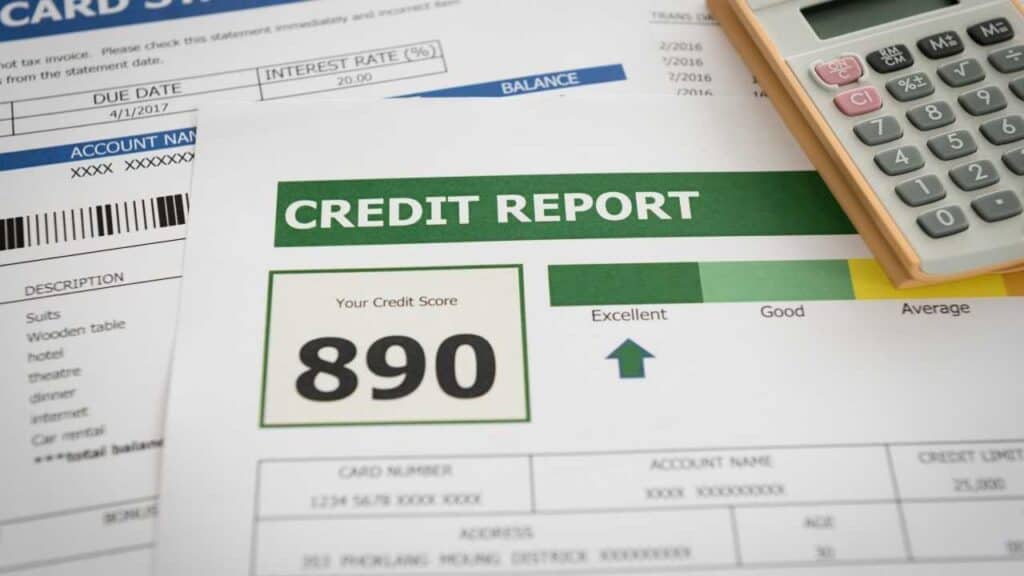
Your credit score can significantly affect your chances of being approved for loans or credit cards. It also affects the interest rates you’ll have to pay if approved. This shows how vital your credit score can be to your financial well-being.
However, what exactly does your credit score signify? And is a credit score of 820 considered good or bad? Let’s explore this further.
What Are Credit Scores For?
Lenders use credit scores to assess the creditworthiness of potential borrowers. The score is based on a person’s past borrowing and payment histories. Credit scores range from 300-850, with higher numbers being better than lower ones.
You might think you only need a good score when applying for financial products. You could be in the market for a new car or house. You could look forward to getting a personal loan to cover your expenses. Whatever the reason, having a good credit score can help you get lower interest rates and better terms on loans or credit cards.
There are other reasons why a good credit score is important. Insurance companies and employers often check credit scores as they take them into account when determining rates and eligibility, respectively. Even landlords and utility companies use credit scores to determine eligibility for renting and services.
Is a 633 Credit Score Good or Bad?
A 633 credit score is considered fair, which is sometimes good or bad. It is often not enough to get you favorable loan terms from most lenders. You might find that you won’t be able to secure a loan or credit card with such a score.
However, even if you have a credit score of 633, you may still be eligible for certain loans and credit cards. Just expect higher interest rates than those with better scores.
Generally, you have a good credit score if it is anywhere between 670 and 739. Scores 579 and under are considered bad, while scores between 740 and 850 are considered very good to excellent. This chart makes it easier to understand credit score ranges:

Factors That Can Make Or Break Your Score
Many factors contribute to your credit score. This not only pertains to your payment history and your credit history length but also other things like the number of accounts and inquiries you have.
Payment history plays the biggest role when it comes to your credit score. You must pay all of your bills on time and in full. Late payments negatively affect your score, while on-time payments help boost it.
Your credit utilization ratio is also important. This is the amount of debt you have compared to your credit limit. The ideal ratio is 30%, meaning you should not use more than 30% of your available credit at any given time.
The length of credit history is also crucial. You can have a higher score with a longer credit history. Inquiries into your credit score will lower it. Too many inquiries are a sign of financial distress, which will lower your score.
Lastly, having a mix of different credit accounts can help increase your score. This includes revolving debt like credit cards and installment debt like car loans and mortgages.

Must-Dos When Boosting Your Score
If you want to improve your credit score, there are certain steps that you can take. Adopting these practices can certainly help in improving your credit score.
Practice budgeting and saving.
Budgeting and saving can be great habits when boosting your credit score. Saving some money every month specifically for paying your bills on time can improve your credit scores.
Pay off debts
If you have debts, try to pay them off as soon as possible. You can start by paying the minimum payments. If you can, pay debts in full. This can help reduce your overall debt and boost your score in the long run.
Check for errors
You should also check your credit report for any errors or mistakes. This can help you make sure that everything is accurate. It also allows you to dispute any wrong information and have this removed from your report.
Be careful when closing down unused accounts.
Closing down unused cards can be beneficial in two ways. First, it helps reduce the overall number of credit lines you have. Second, it can help reduce the risk of identity theft since you can no longer access those cards.
However, be wary when closing down unused accounts. Closing down a credit card can lower your credit score since it lowers your overall available credit.
Say yes to a healthy credit mix.
A healthy credit mix refers to having a combination of credit products such as credit cards, personal loans, and mortgages. Different types of credit can help you build a good credit history and score.
Ask the lender for advice before deciding about your credit mix. They can help you understand the different credit products and how they affect your score.
What To Avoid for a Better Score
Even innocent mistakes can hurt your credit score. To get a better score, you should avoid the following:
Maxing out credit cards
If you often use your credit cards for most purchases, you should try to stop this habit. Maintaining a low credit utilization ratio can help increase your credit score. This is because lenders view high credit utilization as a sign of financial distress.
Making late payments
It is not enough that you try to pay your dues each month. Remember that making late payments can be detrimental to your credit score. Always invest in timely bills payment to avoid any penalties or negative marks.
Opening too many credit lines
Opening too many credit cards or loan accounts can signify financial distress. This could make you look like a risky borrower and affect your credit score. Avoid this by only opening one or two accounts if you need to.
Ignore your credit report.
Finally, make sure to check your credit report regularly. This allows you to monitor what is being reported about your finances and helps you catch any mistakes or identity theft. Ignoring your credit report could mean missing out on potential issues affecting your score.
Final Thoughts
A 633 credit score is a fair score. This means you still have a long way to go before reaching good or excellent scores. Adopting positive financial habits and checking your report regularly is the best way to improve your credit score. With these steps, you can be sure to have a healthier credit score in no time.
References
Cardone, D. (2020). Credit Secrets: The Complete Guide on How to Boost Your Credit Score 100+ Points Without Credit Repair, Improve Your Financial Life, Enjoy Freedom and Independence. Available on Amazon. https://amzn.to/46ver5N
Hack, N. (2021). Credit Secrets 3 in 1: Boost Your FICO Score By 200 Points in Less Than 30 Days. Available on Amazon. https://amzn.to/3raNbsO
Moss, S. (2020). Credit Secrets: 2 books in 1 – Blast Your Credit Score Through The Roof And Repair Bad Credit By Having Everything You Need To Know Explained In Detail. Available on Amazon. https://amzn.to/3r40b3A