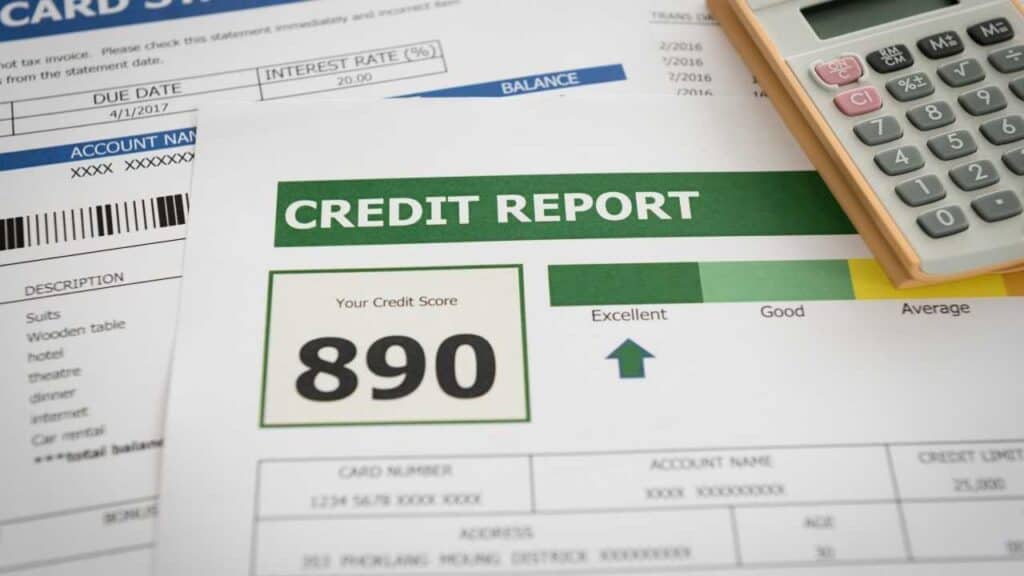
If you’ve ever needed to open a new line of credit or apply for a loan, you’ve probably seen your credit score. It’s that 3-digit number that can make or break your chances of getting approved. But just because you managed to secure a loan using your current credit score does not necessarily mean it’s good.
So what is a good credit score, and is 641 considered good or bad? Why is it essential that you take steps to boost your credit score?
What’s in a Score?
Your credit score determines if you are qualified for loans and helps lenders decide how much interest they will charge you. For instance, you plan on taking a mortgage. Lenders will use your score to check whether you qualify for the loan and how much interest rate they will charge.
Your score matters not only when applying for a credit card and other loans like a personal loan. This can also affect your ability to rent your next apartment or your likelihood of being approved for a job.
These days, more landlords are looking closer at their future tenant’s credit history. This allows them to better understand how well they can trust you in paying your rent on time.
Employers also look at potential employees’ credit history as part of their background checks. A good credit score can mean the difference between being hired and not. This is especially true with high-ranking positions that require more responsibility.
What Influences Your Score?
Different factors can have an effect on your credit score. The main components of a credit score include:
- Payment history.
- The amount you owe.
- The length of your credit history.
- Types of credit used.
- New credit.
A good payment history shows that you are responsible for your monthly payments. Payment history makes up to 35% of your credit score. If you have any late payments or debts to pay, this reflects negatively on your credit score.
The amount you owe is also an important factor in calculating your score. Credit utilization ratio is the total debt you owe compared to your credit limit. This accounts for up to 30% of your score.
Your credit score is influenced by the length of your credit history (15% of it). This shows if you are a consistent borrower or not.
The types of credit you use make up 10% of your score. For example, if you’re trying to open a mortgage loan but only have credit cards, this could affect your score negatively.
Finally, new credit accounts for 10% of your score. This refers to the number of new accounts you’ve opened in a given period. Applying for too many new accounts in a short period can drop your credit score.
Is 641 A Good Credit Score?

Now that you know what impacts your credit score, you may wonder how good a 641 credit score is.
A 641 FICO® Score is within the “fair” credit range. It is a few points away from being “good” credit, which starts at 670. Here’s a chart that shows the range:
With a 641 credit score, you can qualify for some loans. Still, you will likely have higher interest rates and less favorable terms than someone with a higher credit score. This is why taking extra steps to boost your score makes sense.
Improving Your Score
To boost your credit score, the following tips can greatly help you.
Pay bills on time.
This is the most important factor for keeping a good credit score. Set up auto drafts or reminders to ensure you’re always on time with your payments. Remember that your payment history accounts for 35% of your score.
Lower your credit utilization ratio.
This is your total credit card debt divided by your total available credit limit. A lower ratio indicates that you’re using less credit and can positively impact your credit score.
Don’t close old accounts.
Closing an account can actually harm your score. This could shorten the length of your credit history. Try to keep your old accounts open and in good standing as much as possible.
Be careful when opening new accounts.
Opening a new line of credit could negatively affect your score. If you need to open a loan or credit card, make it a point that you can pay it off on time.
Shop for a loan the smart way.
Submitting multiple loan or credit card requests in a row can severely damage your score. Lenders will do a “soft inquiry” on your credit. Try to apply for new lines of credit only when you need them. To be on the safe side, check the policy of the lender before applying.
Check your report for errors.
The credit bureaus may have mistakes in their records that are dragging down your score. Check your credit reports regularly. If there are any inaccuracies, make sure to dispute them.
Avoid regular credit score inquiries.
Finally, stay away from regular inquiries. This means try to check your credit score only a few times a week. Doing this could make a lender think that you’re desperate for credit and lower your score.
Final Thoughts
Your FICO score can significantly impact your financial situation and future decisions. Taking these steps to improve and maintain a healthy credit score can help you make more informed financial decisions. A 641 credit score is considered “fair,” and you can improve it with some work. Use this information as a guide to take the necessary steps towards improving your credit.
References
Cardone, D. (2020). Credit Secrets: The Complete Guide on How to Boost Your Credit Score 100+ Points Without Credit Repair, Improve Your Financial Life, Enjoy Freedom and Independence. Available on Amazon. https://amzn.to/46ver5N
Hack, N. (2021). Credit Secrets 3 in 1: Boost Your FICO Score By 200 Points in Less Than 30 Days. Available on Amazon. https://amzn.to/3raNbsO
Moss, S. (2020). Credit Secrets: 2 books in 1 – Blast Your Credit Score Through The Roof And Repair Bad Credit By Having Everything You Need To Know Explained In Detail. Available on Amazon. https://amzn.to/3r40b3A